





You Seriously Need to Watch 'Crazy World': Wakaliwood Uganda’s Action Triumph
Crazy World gives fans of Wakaliwood movies what they want by playing up the comedy and action just like their movies before.
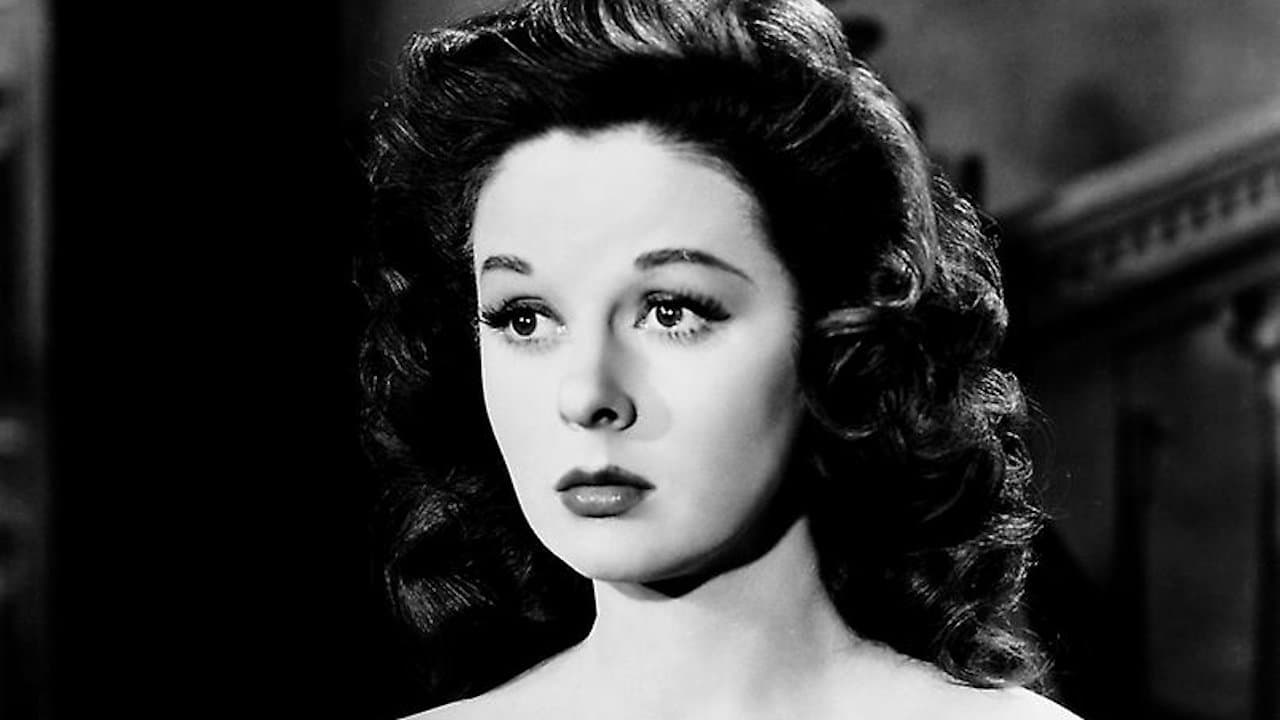
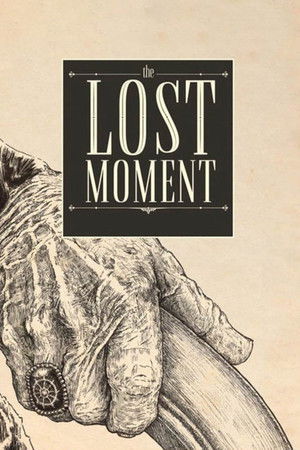


In a long flashback, a New York publisher is in Venice pursuing the lost love letters of an early-19th-century poet, Jeffrey Ashton, who disappeared mysteriously. Using a false name, Lewis Venable rents a room from Juliana Bordereau, once Jeffrey Ashton's lover, now an aged recluse. Running the household is Juliana's severe niece, Tina, who mistrusts Venable from the first moment. He realizes all is not right when late one night he finds Tina, her hair unpinned and wild, at the piano. She calls him Jeffrey and throws herself at him. The family priest warns Venable to tread carefully around her fantasies, but he wants the letters at any cost, even Tina's sanity.
Crazy World gives fans of Wakaliwood movies what they want by playing up the comedy and action just like their movies before.
This powerful story shines with poetic animation, an exploration of deeper truths, and the protagonist's complex search for identity.
The legacy of this movie starts off the film series with a bang of magic, plot twists, and battles.
The history of Hollywood is as ugly as it is beautiful. Most notably absent from Hollywood history are Black-produced films. “They’ve Gotta Have Us” explores the rise of Black cinema.
With The Father, writer-director Florian Zeller- who wrote and developed the play upon which the film is based- pulls no punches as he confidently makes every effort to put the audience in the mind of someone whose grip on reality has all but vanished. It’s a dazzling testament to Zeller’s abilities as a director as he makes his first transition from stage to film appear as if he’s been working behind a camera his entire career. The dialogue he fashions with co-writer Christopher Hampton, along with the work of production designers Peter Francis and Cathy Featherstone, collectively makes the downward spiral of dementia startlingly tangible, doing so in a way that can be comprehended by everyone except the person it directly affects.
David Fincher is back in his playpen, with a dark and chilling thriller.