


'Chip 'N Dale: Rescue Rangers' Makes a Comeback
Viewers get a glimpse of life of mediocrity in a world where humans and cartoon characters live together in this comeback.
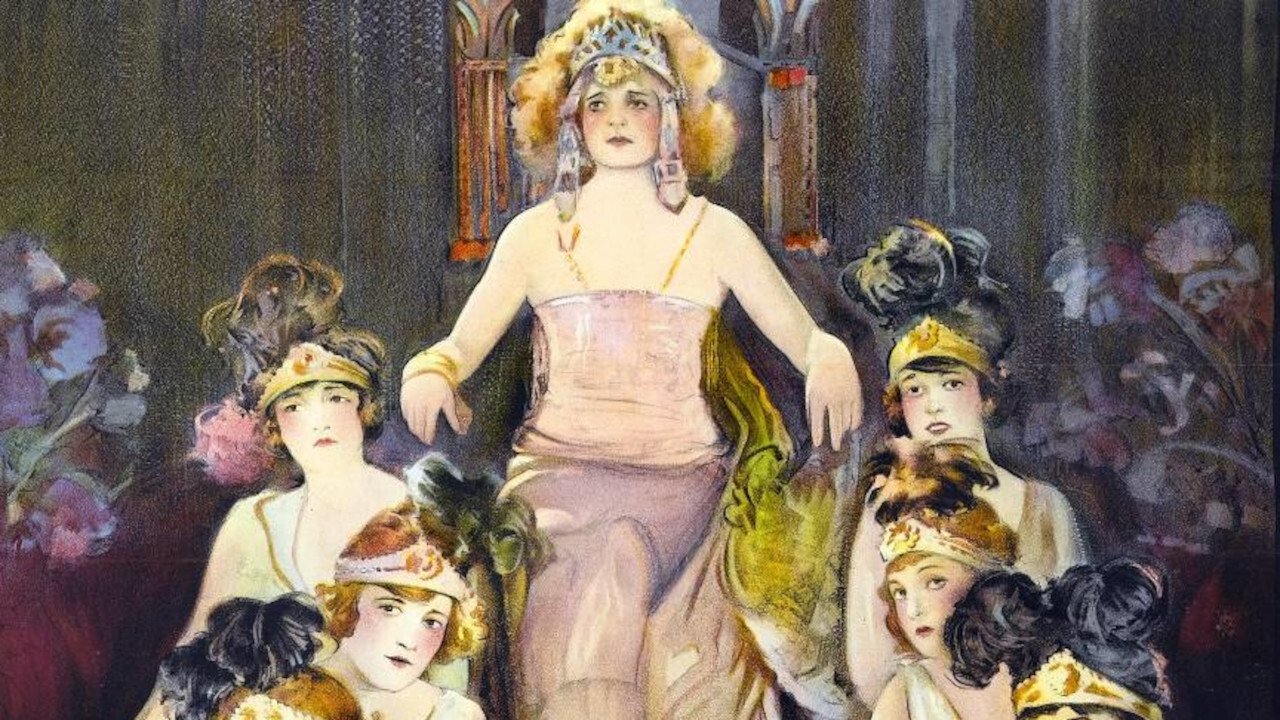



This 15-chapter serial was produced by Colonel William N. Selig, the former mogul whose large assortment of wild animals became the nucleus of today's Los Angeles Zoo. Selig's ferocious fauna added authenticity to a story about yet another white goddess, Princess Elyata of Tirzah (Juanita Hansen), who comes to the rescue of Stanley Morton (George Chesebro) and his sidekick Mike Donovan (Frank Clark), a couple of Americans who foolishly wander into a village ruled by slave trader Gagga (Hector Dion).
Viewers get a glimpse of life of mediocrity in a world where humans and cartoon characters live together in this comeback.
The newest Pedro Almodóvar movie, Pain and Glory, focuses on an aging and debilitated filmmaker, Salvador Mallo (played by Antonio Banderas) reflecting on his life in his old age.
Despite the film’s efforts to reframe its heroine with modern complexity, a certain emotional distance lingers.
From the cinematography to the script to the acting, Sorry, Baby is undoubtedly one of the best films of the year.
This is a list of seven films that explore police brutality and systemic racism made by Black filmmakers. These are important movies to watch and to take in, as — through the power of cinema — they showcase what it feels like to be a Black person living in a country that is internally designed to be against you.
Disney has cleverly managed to dance around the misdeeds of their past by scraping by with an insincere action that does very little to incite any long-lasting positive changes.