

Media as the Evil in Eddington
Eddington attempts to capture how media is intertwined with the uncomfortable present.
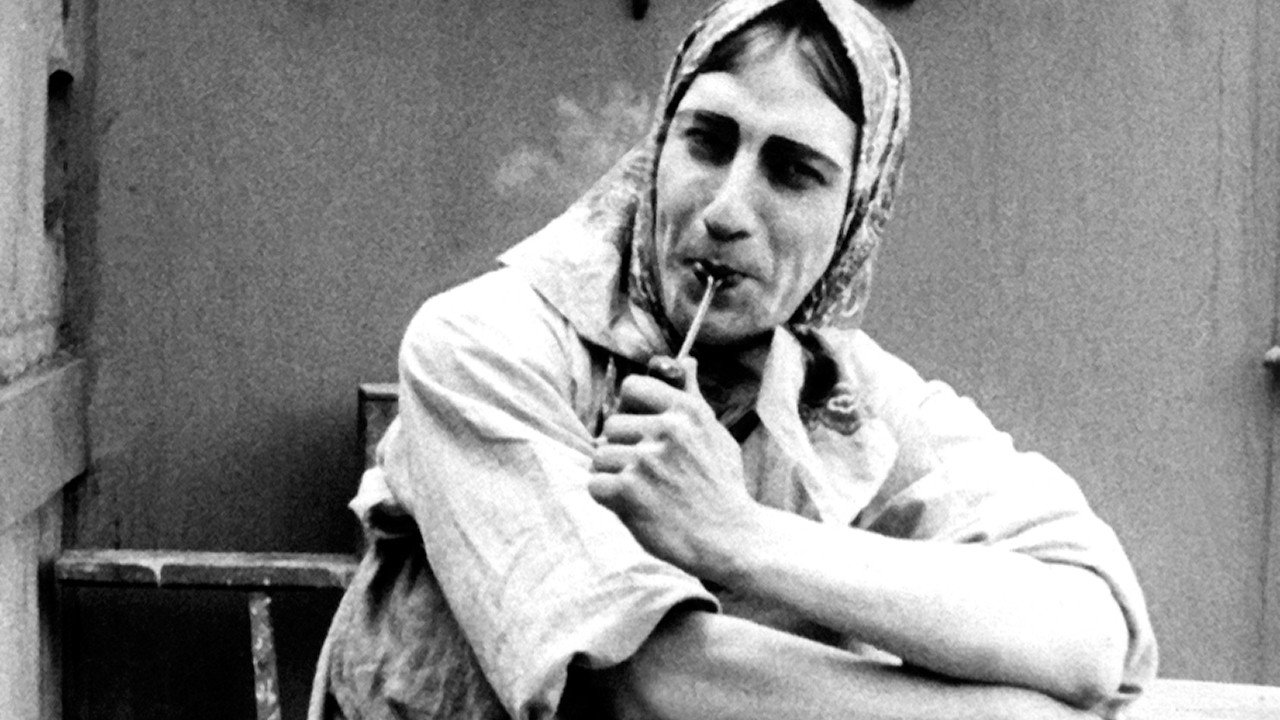
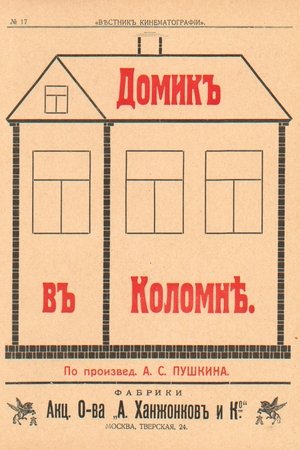


Pretty young Parasha is living with her widowed mother. Parasha diligently takes care of many household tasks, but she also enjoys flirting with the guards's officers who pass by her window, and she has one particular favourite. One day, Parasha's mother asks her to hire a cook, and to do so as cheaply as possible. Parasha and her beau soon see a way to use this situation to their own advantage.
Eddington attempts to capture how media is intertwined with the uncomfortable present.
This HBO mini-series asks why a young white man turned to violence and finds no easy answers. But why do we only ask questions about certain kinds of killers?
Him is visually stunning—all concrete cathedrals and bone-rattling impact shots that look like a nightmare highlight reel. Marlon Wayans is magnetic as this legendary quarterback who's basically selling salvation with a smile that never quite reaches his eyes. But the story keeps running in circles: more tests, more cryptic pep talks, more ritualistic drills. The sports-as-religion metaphor beats you over the head when subtlety would've been more effective. The middle drags, and that finale chooses spectacle over substance. It's undeniably stylish, but left me cold. Also worth noting: despite the Monkeypaw connection, this isn't actually a Jordan Peele film—he didn't write or direct.
This animated kids' movie shows viewers two different species--jungle animals and aliens--and how both species coexist.
Considering the runtime, I expected each scene to hit harder as opposed to a series of montages and vignettes.
Dead Poets Society relies on patriarchal tropes such as overbearing fathers, contrived brotherhood, and faux-individuality in order to portray its straight white male characters as oppressed.