The Lion King (2019) — Did Disney actually learn anything?
Disney has hopefully learned some lessons since 1994. Are those lessons reflected in the 2019 remake of "The Lion King?"




Director Wolfgang Staudte who left East Germany in 1953 to make movies in West Germany, takes a few swipes at the West German judicial system in this fairly effective courtroom drama about the murder of a four-month-old baby. Police almost immediately arrest the mother Ingrid who is the mistress of the father, a rich business VIP married to another woman. His position and wealth keep him insulated from suspicion. A hot-shot lawyer has to overcome the unaccountably biased perceptions of the police, the judge, the prosecutor and almost everyone else in the judicial system. The defence lawyer, driven to an extreme, knows he has to find the real killer or his client will be convicted.

Wolfgang Staudte
Director


Martin Held
Direktor Werner Rameil

Hanns Lothar
Rechtsanwalt Dr. Fox

Ellen Schwiers
Ingrid Bernhardy

Jürgen Goslar
Dr. Heinz Stephan
Adelheid Seeck
Gerda Rameil
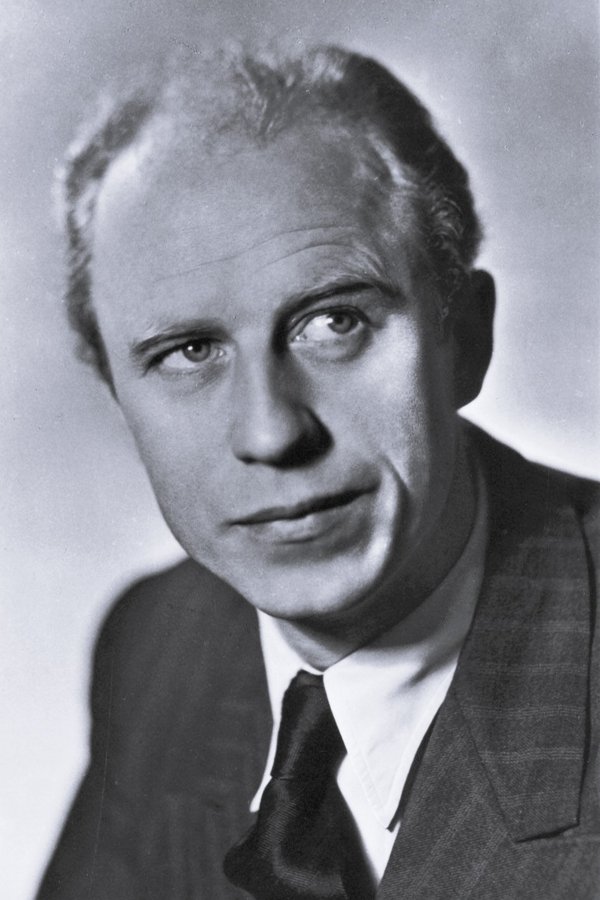
Werner Hinz
Landgerichtsrat Ricker
Lore Hartling
Assessorin Ebeling

Siegfried Wischnewski
Kriminalinspektor Gerhuf

Harald Juhnke
Kriminalsekretär Wenzel
Otto Graf
Anwalt Dr. Beyer
Albert Bessler
Dr. Hollberg
Disney has hopefully learned some lessons since 1994. Are those lessons reflected in the 2019 remake of "The Lion King?"
What seems like such a simple story of survival is so much more than that—it’s a story of family, and of war, and of destruction. It’s painful to watch, but not in a bad way. It makes its audience reflect on their own actions, and in how they are complicit in the sufferings of others as the adults in this film are. Grave of the Fireflies does not hold back from being heartbreaking, and it shouldn’t. It tells a message that needs to be heard decades after the war, and a story that cannot be forgotten by history.
The more biting satire is reserved for those on top of the power structure, such as the police, while those occupying lower levels are given more nuance and likability, even if they operate on the wrong side of the law. This principle gives Deep Cover its heart.
The film is a powerful narrative encompassing a theme that many people can identify with.
The story continues in 'Tall Girl 2' as Jodi finds herself playing the lead role in the school's musical production.
While the camera is objectifying her body to invoke a sexual response in male viewers, Lara Croft still defies the expectations of women in action films.