



'Moonlight': A Retrospective on Barry Jenkins' Masterpiece
Barry Jenkins' masterpiece holds up as the story of a lifetime centered on the intersection of Blackness and gay identity.
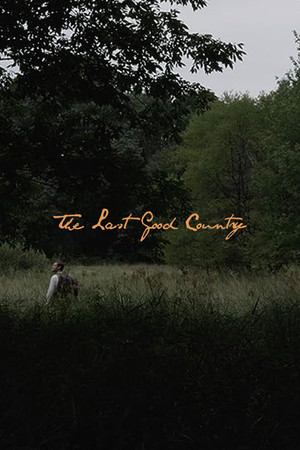


The Last Good Country is a drama focusing on the origins of Ernest Hemingway and his transformation into one of the greatest writers/icons the world has ever known. His dark journey through the Michigan wilderness has played a crucial part in shaping his identity and how the world eventually views him.
Barry Jenkins' masterpiece holds up as the story of a lifetime centered on the intersection of Blackness and gay identity.
Although the budget was a dollar and a dream, Netflix's 'First Kill' managed to gain over 90 million viewing hours and a small cult following. So why was it canceled? Given the trends in series cancellations, it may have been because of the Black and queer protagonists.
Ruben Östlund muses about his characters, “As soon as you get close to a person, you see them as just another human being”. It is widely recognized that aboard the luxury yacht in ‘Triangle of Sadness’, the different groups of people represent a small society as a commentary on classism and gender binaries.
A reboot series based on the popular original Nick teen sitcom of the same name.
There is a lot of controversy around Q-force. It’s certainly not hard to see why—the series is quite hyperbolic. I will say, that was the first aspect I noticed on my initial watch. Right from the get-go Q-Force barrages you with gay joke after gay joke. This is hit or miss throughout the series.
Sorry to Bother You ultimately speaks to the unfair advantages that the country’s power structures award to those with the resources to control others, as Lift’s easy access to the media allows his opinion to be the only one that matters in the eyes of the unsuspecting and easily impressed public. Moreover, it reveals the extent to which the American Dream has any true validity. It postulates how the promise of success and fulfillment as promoted by the American Dream more often than not leads to the undoing of the individual. Interestingly, in its revealing of the American Dream as merely a facade, Sorry to Bother You wisely questions whether or not anything can really be done to undo a system that has been accepted and in action for centuries.