“Wild Horse Nine” Made Me Cry
There is no aspect of this film that falls short, except perhaps in minor ways.
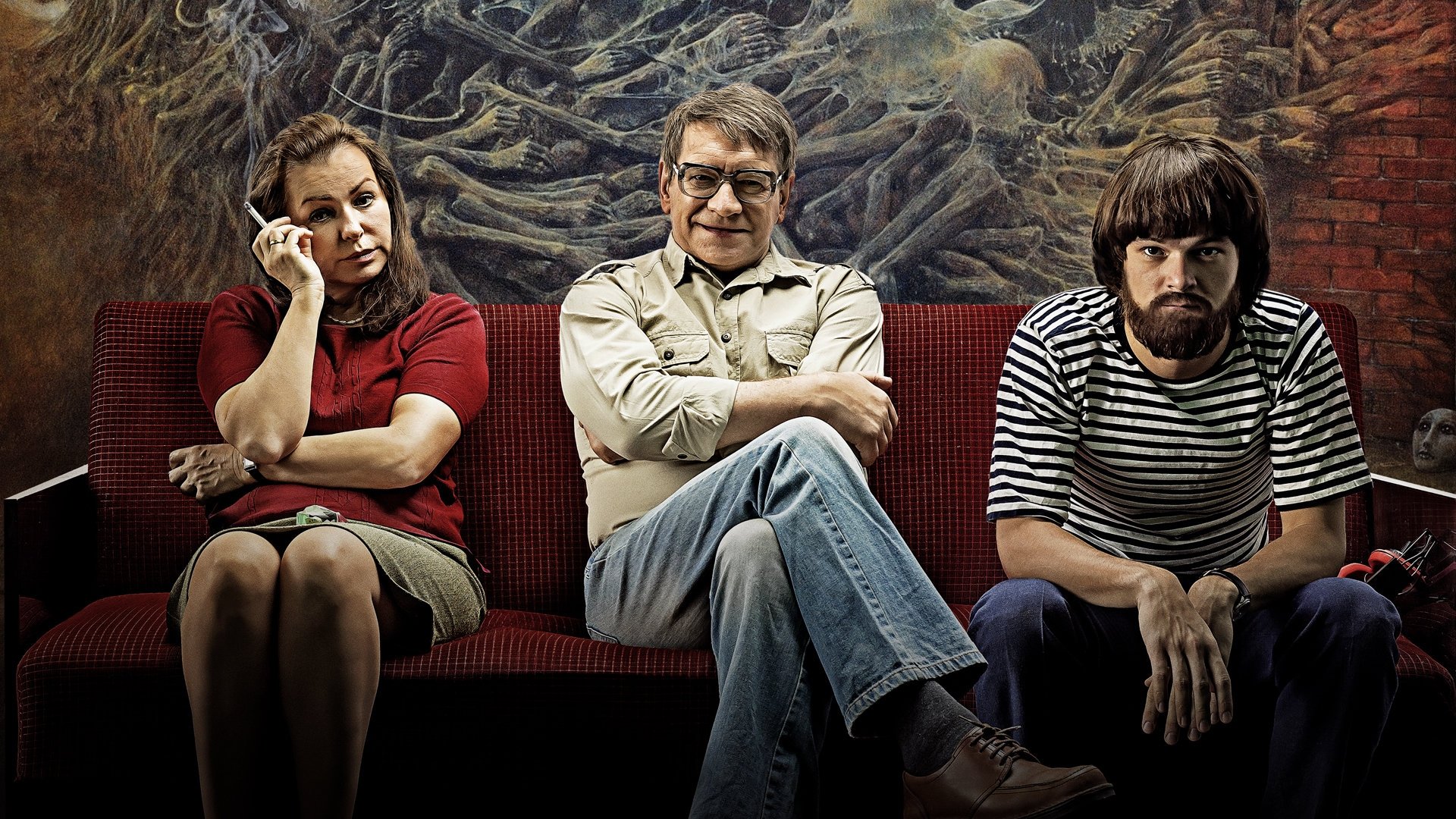
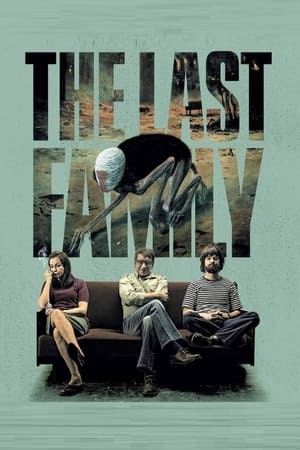


Beksiński is a gentle man with arachnophobia, despite his hardcore sexual fantasies and his fondness for painting disturbing dystopian works. Beksiński is a family man who wants only the best for his loving wife Zofia, neurotic son Tomasz and the couple's aging mothers. His daily painting to classical music eventually pays off and he makes a name for himself in contemporary art. Good Catholic woman Zofia tries to hold the family together, but troubled son Tomasz proves to be a handful with his violent outbursts and suicidal threats. Their relief is brief when he starts dating women and becomes a radio presenter and movie translator, and the concerned parents must be on constant watch to prevent their son from hurting himself. But Beksiński never believed that family life would always be sunshine and rainbows. As he tapes everything with his beloved camcorder, the 28-year Beksiński saga unfolds through paintings, near-death experiences, dance music trends and funerals...

Jan P. Matuszyński
Director

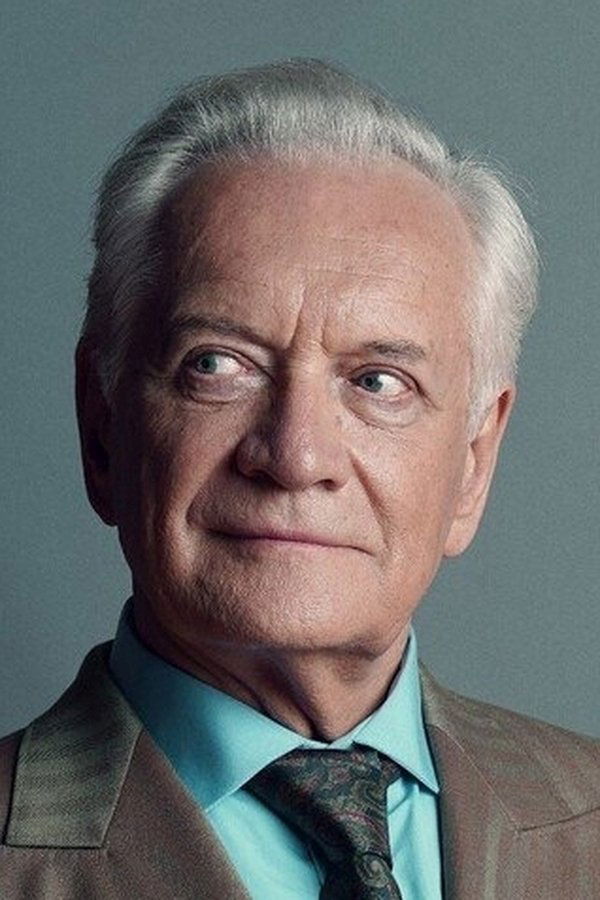
Andrzej Seweryn
Zdzisław Beksiński

Dawid Ogrodnik
Tomasz Beksiński

Aleksandra Konieczna
Zofia Beksińska

Andrzej Chyra
Piotr Dmochowski

Zofia Perczyńska
Stanisława Beksińska

Danuta Nagórna
Stanisława Stankiewicz

Alicja Karluk
Patrycja

Magdalena Boczarska
Ewa

Agnieszka Michalska
Helena

Jarosław Gajewski

Paweł Paczesny
Grzesiek
There is no aspect of this film that falls short, except perhaps in minor ways.
After two months of refusing to see this movie, I have decided that it’s finally Morbin’ time. After its re-release as a box office bomb; I watched it just to laugh at it. But, I was also surprised, because 'Morbius' is a queer allegory.
A science fiction movie brings a strong diverse cast and adventure in outer space.
Desi Arnaz was an innovator in television and Lucille Ball was a sketch comedy clairvoyant of sorts; 'Being the Ricardos' focuses on their genius as a couple, but shies away from the interracial aspect of their marriage.
At 2:17 a.m., every child in a third-grade class wakes up, leaves their home, and disappears into the darkness—except one. The next day, teacher Justine Gandy discovers that Alex Lily is the only student left, while the rest have vanished without a trace. Did Justine have something to do with it, or is a far more sinister force stalking the town, targeting not just children, but anyone in its path?
This coming-of-age movie based on the 1970 book by Judy Blume gives viewers a scope on female topics in the quest for a religious identity.