Incluvie – Better diversity in movies.
Identity in film with Incluvie stamps, scores, reviews.

Incluvie – Better diversity in movies.
Explore identity in film with Incluvie stamps, scores, reviews, and insights.

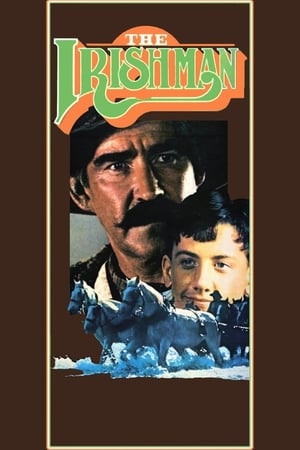
The Irishman poster

The Irishman (1978)

Paddy Doolan refuses to accept change. In a new century where the motor car is changing the way things are done, the stubborn Irishman, the last of the draught-horse teamsters, continues to haul timber the old way.
- / 5
PopScore
Representation

Pictures and Videos


Incluvie Gala

Movie Information


Paddy Doolan refuses to accept change. In a new century where the motor car is changing the way things are done, the stubborn Irishman, the last of the draught-horse teamsters, continues to haul timber the old way.

Rating:
Genre:Drama, Romance
Directed By:Donald Crombie
Written By:Donald Crombie
In Theaters:2/28/1978
Box Office:

Runtime:108 minutes
Studio:GUO, Australian Film Commission, South Australian Film Corporation, Forest Home Films

Articles You May Like


Moonage Daydream: an artist who never conformed, but only evolved

With mismatched eyes, a willingness to experiment with hair color and style, and a rail thin frame, Bowie always drew attention. But he shunned gendered attractiveness, creating his own space somewhere in between. This hallucinatory and often nonlinear 2022 documentary is a perfect salute to David Bowie’s life and career. Rather than interviewing those that knew Bowie, the standard convention for biographical portraits, director Brett Morgen mostly lets the artist’s images, performances, videos, and words speak to capture the essence of the artist. Bowie was more than just a pop star. He painted, sculpted, acted in films, and was a thoughtful and articulate person who gave sincere answers to even the most shallow interview questions.

Andrea Kreidler

The Rise of a Kindhearted Comedy Hero: The Anti-Toxic Masculinity Message of Brendan Fraser Films

Throughout Brendan Fraser’s career, he has played a plethora of unique, layered characters who explore the importance of not being afraid to display your emotions, something that is often seen to not be a masculine trait. This idea of regulating emotion and what traits men are able to possess creates a toxic atmosphere for men who are often told they should not cry or represent their emotions in any physical way. These characters represent that men can be joyful, emotionally conscious, and sensitive, while also representing their masculine identity instead of painting those qualities as fighting against their masculinity.

Amanda Mazzillo