




Incluvie – Better diversity in movies.
Identity in film with Incluvie stamps, scores, reviews.

Incluvie – Better diversity in movies.
Explore identity in film with Incluvie stamps, scores, reviews, and insights.

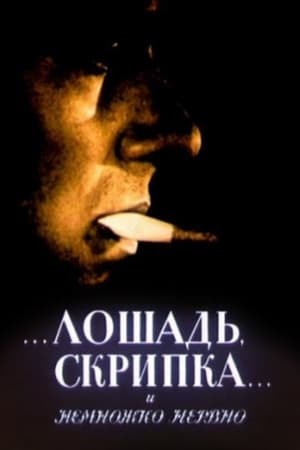
The Horse, the Violin and a Little Bit Nervous poster

The Horse, the Violin and a Little Bit Nervous 

Irina Evteeva’s debut quickly became a kind of manifesto for the one-room experimental studio: it defines classification by interweaving animation, appropriated footage, feature and documentary to form a unique whole, a film that rushes backwards into the future, thereby re-inventing Futurism. Mayakovskiy is the star; his occasional presence holds together a film driven by the sound, the beat, of his poetry. Evteeva develops a dramatic structure of flaring, fading, being from light: violin strings become rays, quivering dull yellow spots, pictures. The plot assails the material from which it derives energy from material. History, growling and roaring, finds its form.
- / 5
PopScore
Representation

Pictures and Videos


Incluvie Gala

Movie Information


Irina Evteeva’s debut quickly became a kind of manifesto for the one-room experimental studio: it defines classification by interweaving animation, appropriated footage, feature and documentary to form a unique whole, a film that rushes backwards into the future, thereby re-inventing Futurism. Mayakovskiy is the star; his occasional presence holds together a film driven by the sound, the beat, of his poetry. Evteeva develops a dramatic structure of flaring, fading, being from light: violin strings become rays, quivering dull yellow spots, pictures. The plot assails the material from which it derives energy from material. History, growling and roaring, finds its form.

Rating:
Genre:Animation, Fantasy
Directed By:Irina Evteeva
Written By:Irina Evteeva
In Theaters:
Box Office:

Runtime:27 minutes
Studio:Lenfilm, PIEF Film Studio

Articles You May Like


The Rise of a Kindhearted Comedy Hero: The Anti-Toxic Masculinity Message of Brendan Fraser Films

Throughout Brendan Fraser’s career, he has played a plethora of unique, layered characters who explore the importance of not being afraid to display your emotions, something that is often seen to not be a masculine trait. This idea of regulating emotion and what traits men are able to possess creates a toxic atmosphere for men who are often told they should not cry or represent their emotions in any physical way. These characters represent that men can be joyful, emotionally conscious, and sensitive, while also representing their masculine identity instead of painting those qualities as fighting against their masculinity.

Amanda Mazzillo