


What We Do in the Shadows (of Our Closet Walls)
There’s enough evidence to insinuate that What We Do in the Shadows is intentionally queer-coded.

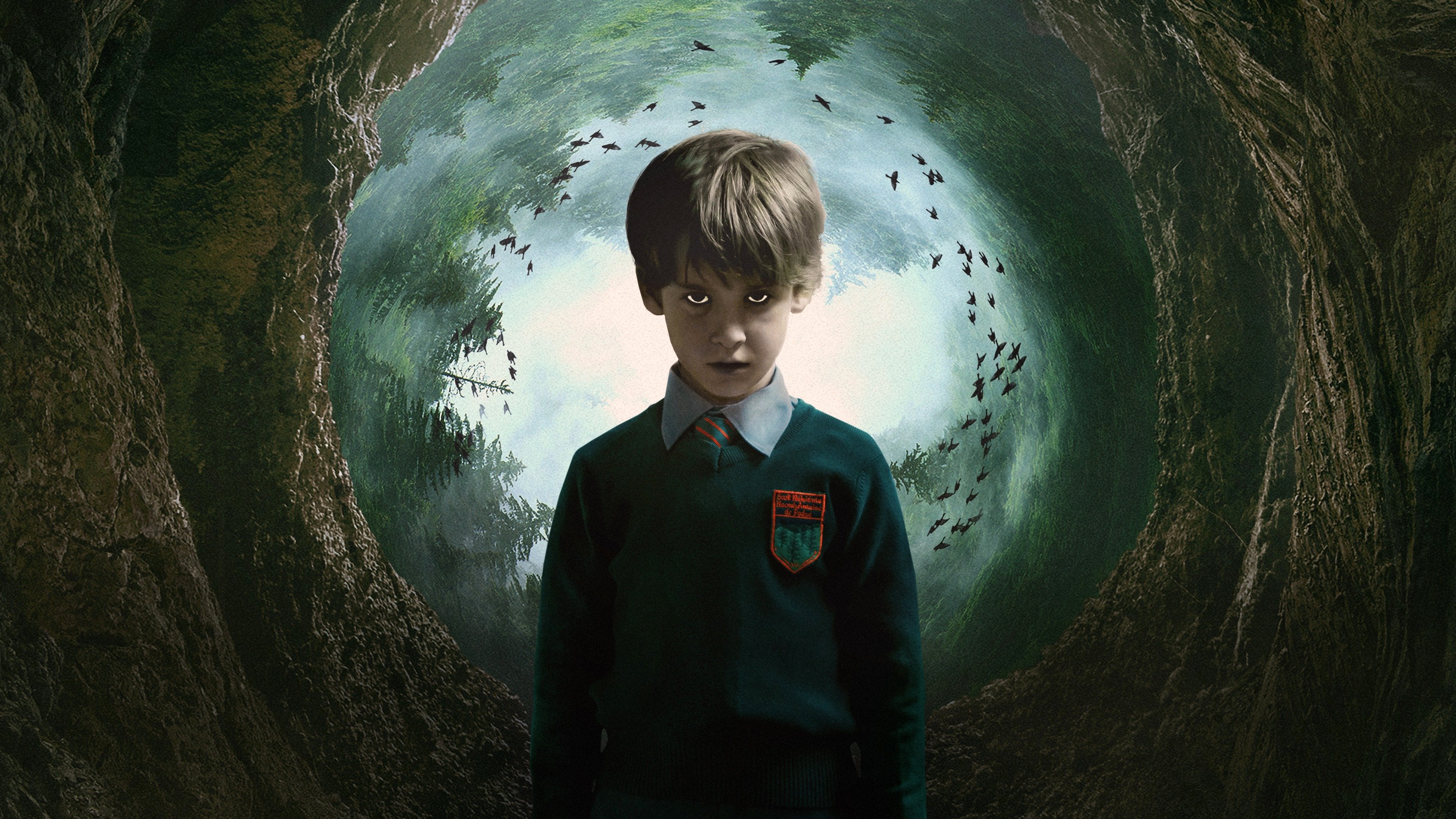
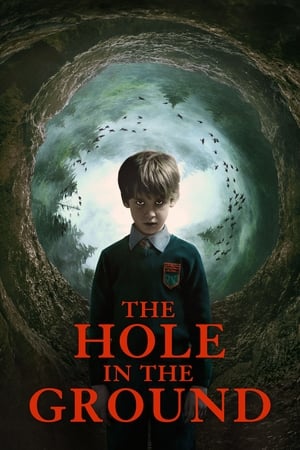
Trying to escape her broken past, Sarah O’Neill is building a new life on the fringes of a backwood rural town with her young son Chris. A terrifying encounter with a mysterious neighbour shatters her fragile security, throwing Sarah into a spiralling nightmare of paranoia and mistrust, as she tries to uncover if the disturbing changes in her little boy are connected to an ominous sinkhole buried deep in the forest that borders their home.
There’s enough evidence to insinuate that What We Do in the Shadows is intentionally queer-coded.
Growing up is a challenge for everyone.
A story about precarious tricks and unstoppable discipline to inspire young viewers. They'll learn that like any dream, achieving Cloud 9 is possible.
When diverse representation is featured on-screen, it oftentimes comes with strings attached that undermine the message they were trying to send. This can be attributed to the fact that behind-the-screen, the industry primarily does not reflect the breadth of diverse difference that is present in daily life. That’s why when something as powerful and authentic as Minari comes along, it is both incredibly wonderful and needs a large audience to witness it.
This is ambitious horror filmmaking, and in a lot of ways, I fully admire its ambitions. For me, the film’s sloppiness defines its overall quality.
The Franke kids seemingly lived a normal life, until their mom met the infamous Jodi Hilderbrandt.