The Herdsman
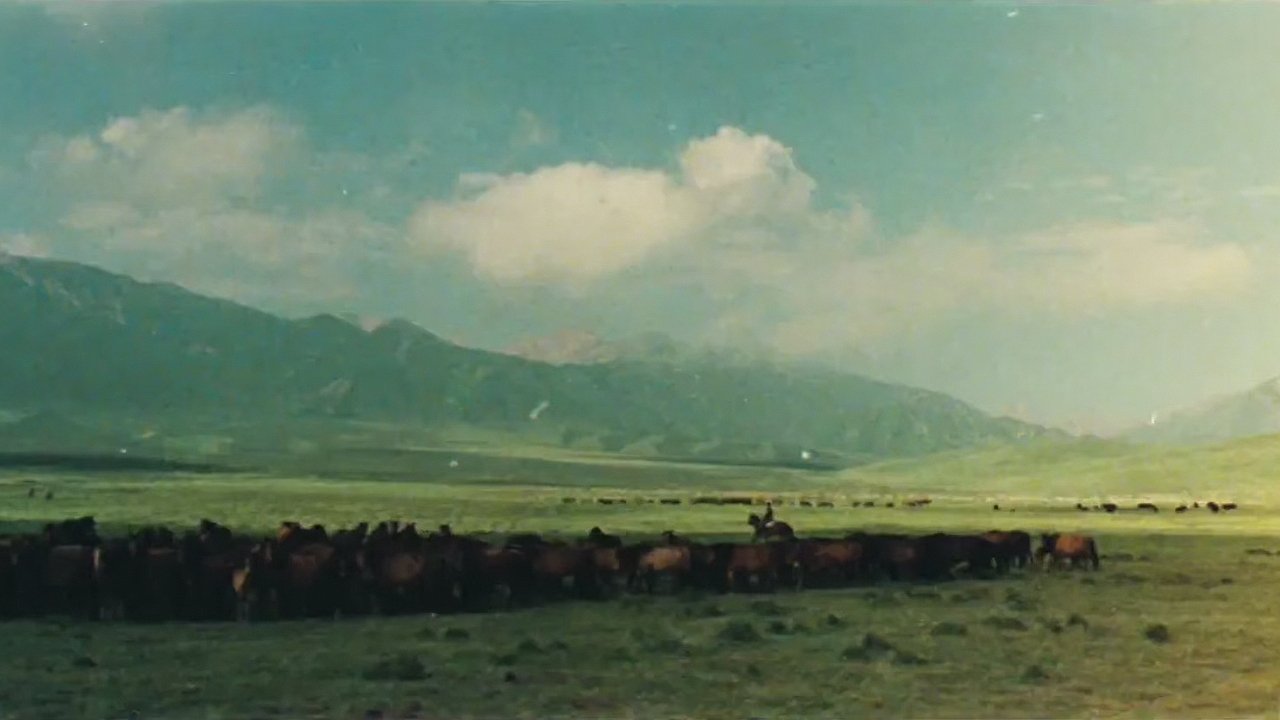
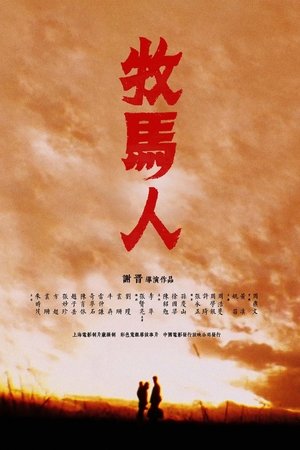
In 1980, Xu Jingshan, a wealthy Chinese-American businessman returns to China to find his son, Xu Lingjun, whom he had abandoned over 30 years earlier. Labeled a rightist because of his capitalist father, Lingjun has been forced to live as a humble herdsman on the grasslands. His bitter life has been transformed by a happy marriage to the wise and beautiful Xiuzhi, and more recently by his rehabilitation by the Party. When he goes to Beijing for their reunion, he discovers his father wants him to work for his chemical company in San Francisco. Lingjun tells the story of his life to his father, as he ponders his future.

- / 5
PopScore
Representation
Pictures and Videos

Movie Information
In 1980, Xu Jingshan, a wealthy Chinese-American businessman returns to China to find his son, Xu Lingjun, whom he had abandoned over 30 years earlier. Labeled a rightist because of his capitalist father, Lingjun has been forced to live as a humble herdsman on the grasslands. His bitter life has been transformed by a happy marriage to the wise and beautiful Xiuzhi, and more recently by his rehabilitation by the Party. When he goes to Beijing for their reunion, he discovers his father wants him to work for his chemical company in San Francisco. Lingjun tells the story of his life to his father, as he ponders his future.
Rating:
Genre:Drama, Romance
Written By:
In Theaters:
Box Office:
Runtime:103 minutes
Studio:Shanghai Film Studio








Articles You May Like
Don’t Give Disney a Pat on the Back for Doing the Bare Minimum
Disney has cleverly managed to dance around the misdeeds of their past by scraping by with an insincere action that does very little to incite any long-lasting positive changes.
A Tourist's Guide to Love and Adventure
Amanda Riley gets the opportunity to travel to Vietnam for the experience of a lifetime.
El Camino: A Breaking Bad Movie Review
Make no mistake about it, Gilligan has created a continuation that earns its place in the annals of Breaking Bad lore. El Camino isn't a forced entry in an otherwise brilliant world of fiction. This is a satisfying take, which manages to give closure to an iconic character of fiction.
'A Girl Walks Home Alone At Night' Review: A Powerful (If Unintentional) Look At the Exploitation of Women
A Girl Walks Home Alone At Night, though its feminism may be unintentional, cannot exist without its focus on women reclaiming power. The movie is feminist by definition, even if Amirpour didn’t write it with that in mind. A Girl Walks Home Alone At Night is mesmerizing, poetic, and stunning, both for its portrayal of feminist ideas and its powerful story that is both horrific and subtly romantic at once.
Remember Your Truth in a City of Façades: “The Last Black Man in San Francisco”
'The Last Black Man in San Francisco' is part fiction, part documentary. Jimmie longs for the old Victorian home that he grew up in — the house that his grandfather built. However, this home is now in an overpriced, White, San Francisco neighborhood.