


'Fargo' (2014): Does the True Story Genre Need to be True?
Although Fargo is not actually based on a true story, I do believe it is worth the watch. It has drama, suspense, and a mysterious figure to keep you engaged.

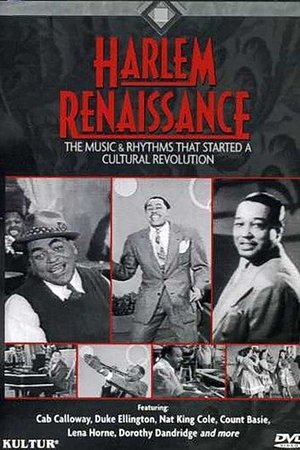
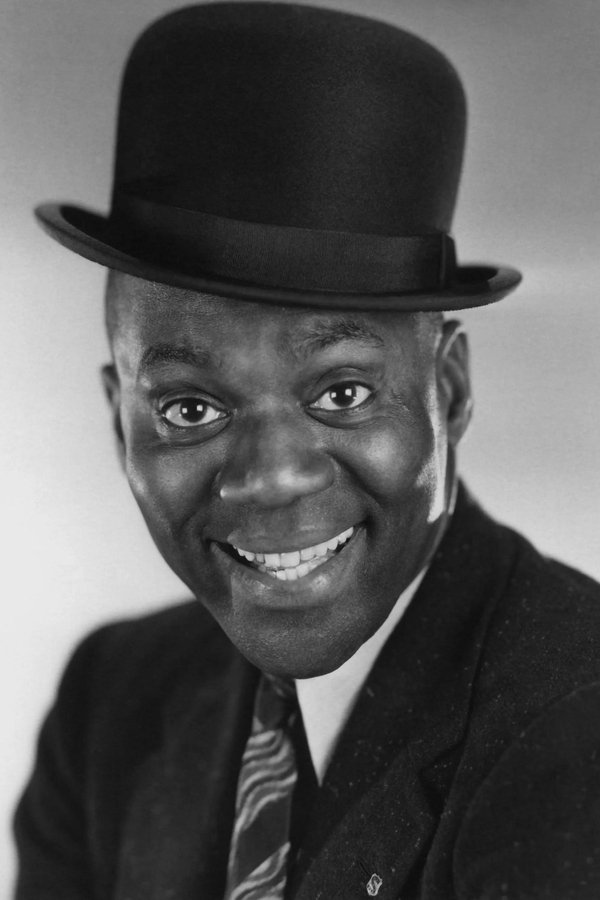
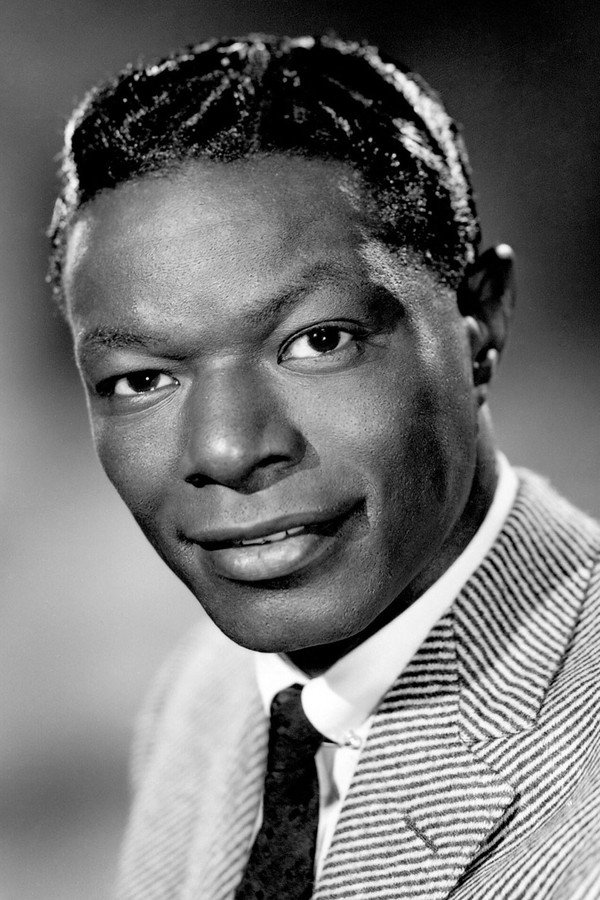
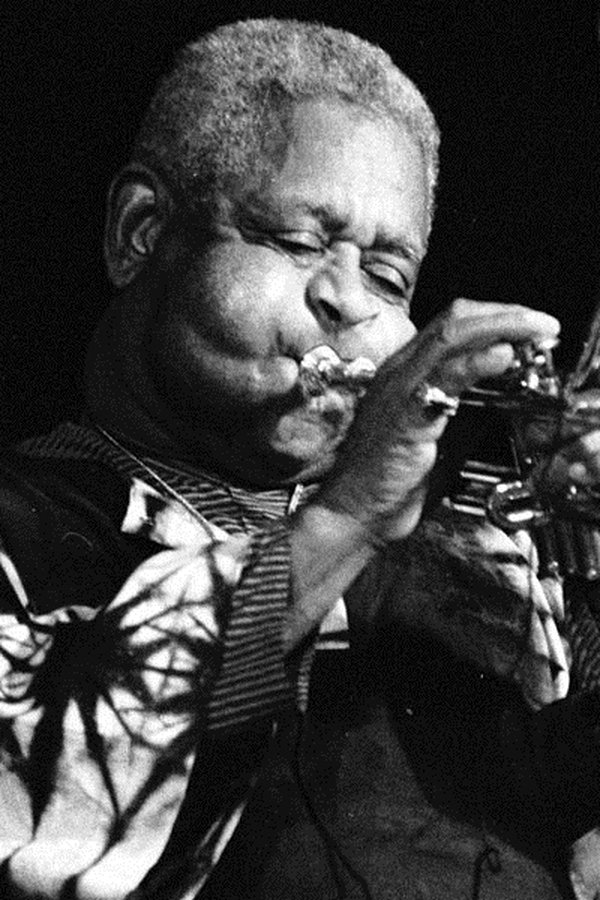
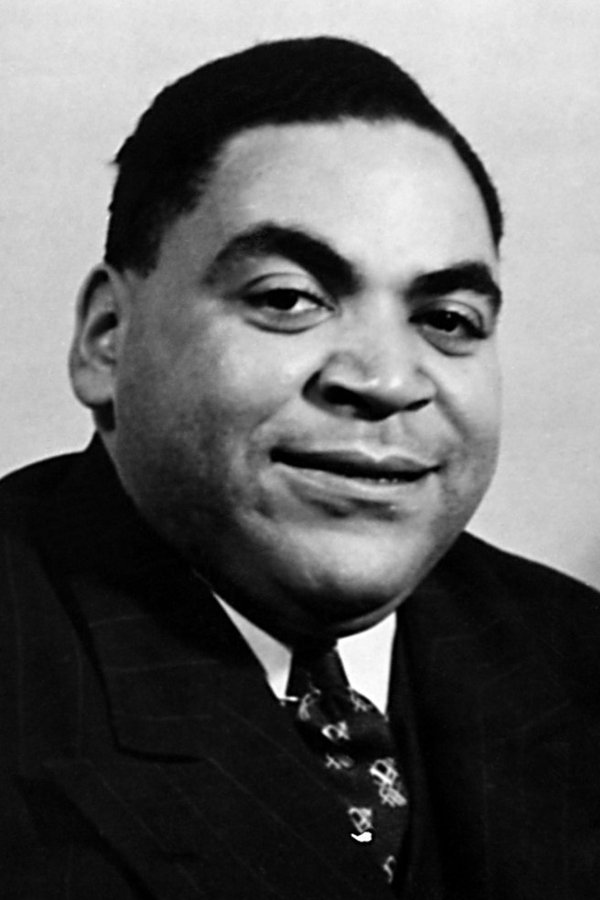
Chronicling the Harlem Renaissance era, this retrospective documentary tracks the origins of the soulful music of the period, along with the challenges many of the genre's artists faced when trying to gain recognition within conventional society. Included are anecdotes from musicians and historians, plus footage of performances and interviews with Cab Calloway, Duke Ellington, Count Basie and more.
Although Fargo is not actually based on a true story, I do believe it is worth the watch. It has drama, suspense, and a mysterious figure to keep you engaged.
Even with its straightforward premise, “Richard Jewell” is ramped up by exceptional drama. In all honesty, the performances are out of this world. As Jewell, Paul Walter Hauser becomes a walking representation of gullibility. His bumbling antics create the perfect hero, and very quickly, we feel the societal heat that surrounds our protagonists.
We, the Jane Austen aficionados, are suckers for everything and anything under the sun that’s remotely related to her and her world. That’s because we are so drawn to her unique style of fiction, romance, and social commentary, we take any allusion to her influence as a hint to what to expect when we start watching a movie or reading a book.
With This is Us now on its fifth season and A Million Little Things on its third, we have a lot of material to entertain the hypothetical: if these two shows got in the ring together, who would come out victorious? Despite the endless recognition for the former’s success, I dare say I’d put my money on A Million Little Things once all is said and done.
The Invite is witty, dramatic, funny, and probably the best comedy released this year so far.
Netflix’s Shadow and Bone has a complicated relationship with race. It has a diverse cast, but not without its problems. Based on Leigh Bardugo’s two book series, the show features characters from the Shadow and Bone trilogy, which is very straight and white, and the Six of Crows duology, which is much more diverse. When bringing together a cast and writing about these characters, the team behind the show expanded upon some of the representation missing from the first trilogy, then seemed to take away representation from the duology. Shadow and Bone seems to play a bit of a push and pull game when it comes to portraying diversity onscreen.