

Once Upon a Time in (White) Hollywood
Tarantino's alternative history of the 1960's uncritically repeats the era's sexist and racist stereotypes.
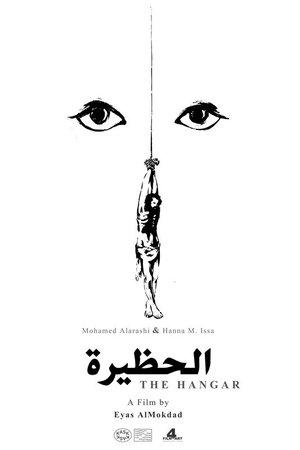


Two Syrian refugees from two different generations. Hassan, a 55-year-old heading for England in pursuit of a new life. The incident gathered him with the second character, (Rakan) 30 years old, a young Syrian activist in the Syrian revolution . During the night they spend in a Warehouse in the port of Calais - France. The relationship between the two shows Rhakan's reservation towards Hassan, who seems absurd and speaks a lot while Rakan briefly answers Hassan's questions. Hassan appears to be sick and have a fever. In a dramatic moment and as the fever mounts over Hassan, Rakan announces that he knows Hassan and his true identity. A confrontation between the two leads to the absurdity. We see another face for these characters that makes violence a hallmark of the night. The next morning the sunbeam carries the truth that reveals the hidden story and puts everyone in front of his destiny to face what he has done.
Tarantino's alternative history of the 1960's uncritically repeats the era's sexist and racist stereotypes.
'Don't Lose Your Head' follows the motto of "grades aren't everything."
If I had truly wished to witness "Guardians of the Galaxy", I would have stayed home to do so. Instead, I went to the IMAX and took in this newest incarnation of one of the most recognized and adapted superheroes in the DC Universe. **Sigh** Let me be clear here. I am NOT saying this is an AWFUL film.
"The Old Guard" doesn't break ground, but it sure does bust boredom and fictional heads as an entertaining action romp on Netflix.
(Disclaimer: Harmful Language) In celebration of Pride Month, Father's Day, and father figures (and whoever supports you), I revisit Moonlight's brief but spectacular character, Juan. With overarching themes tied to masculinity, I reexamine his intimacy with Little.