Miley Relives Stardom in Hannah Montana: The Movie
Miley Cyrus shares her struggles as a songstress with a young audience, all while staying upbeat for the Disney brand.
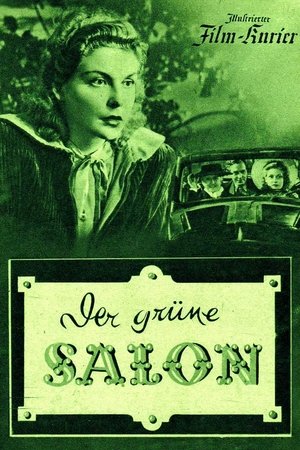


For the old privy Frau Butow, the green salon in her comfortable Berlin apartment is both an untouchable relic from the past as well as a refuge from the cares of everyday life. Enthroned in her salon, she wishes to neither hear not see the changes the world is going through and the problems these changes are bringing about. Frau Butow lives in an illusory world, in which problems aren't allowed. Thus, she knows nothing of the problems of her children and grandchildren; nor her son's business problems; nor even the health problems of her daughter. Only granddaughter Sabine doesn't want to come to terms with the unworldly attitude of her grandmother. So she tells her about her love for the architectural student Wolf, who has to earn his money as a bricklayer. The old woman is horrifeid and doesn't want to hear anymore! But Sabine won't shut her mouth.

Boleslaw Barlog
Director

Walter Bluhm
Oswin, Handlanger
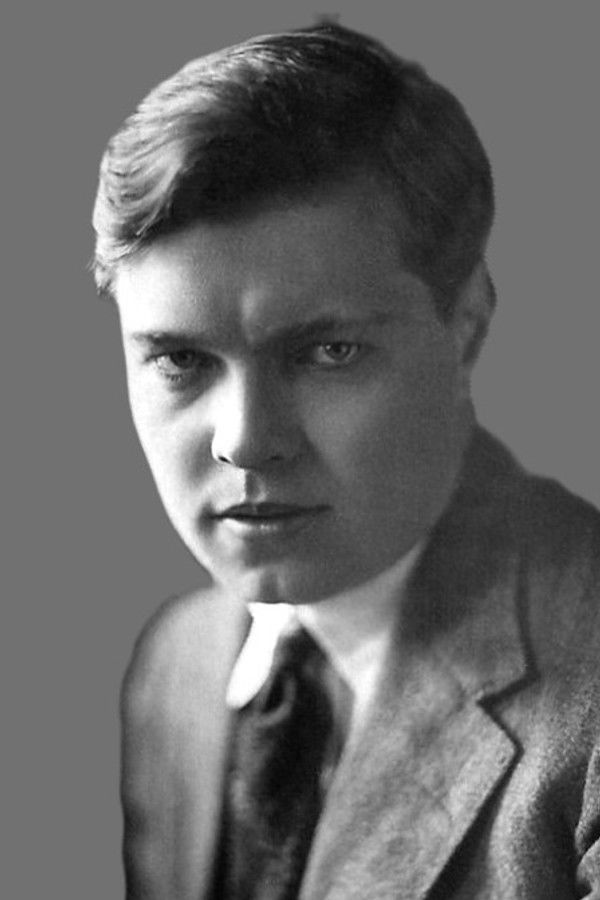
Hans Brausewetter
Dr.Artur Bütow, Rechtsanwalt

Lina Carstens
Klara, 'das Pferd', Haushälterin bei Anna Bütow

Margarete Haagen
Frau Geheimrat Anna Bütow
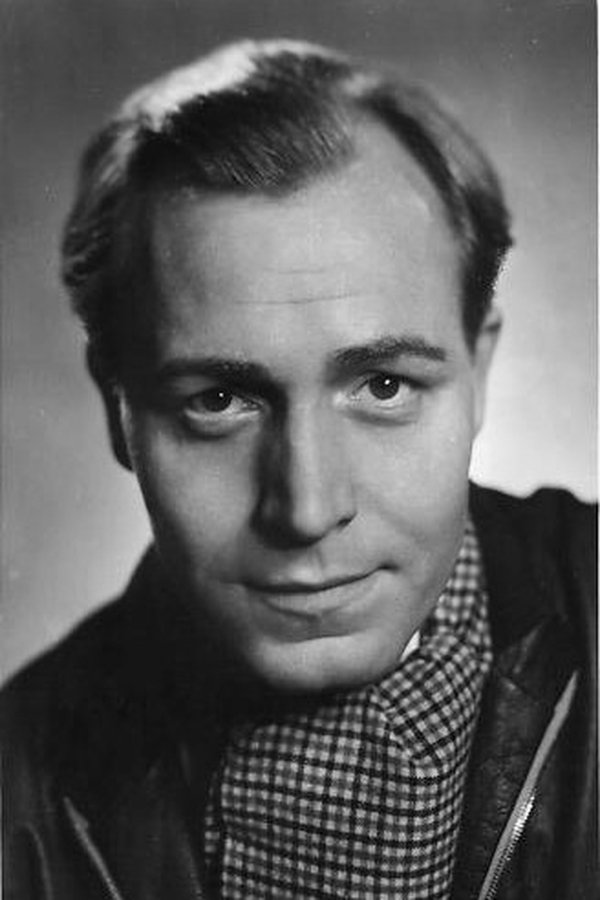
Paul Klinger
Wolf Termöhl

Gunnar Möller
Jörgeli
Renate Barken
Wilma
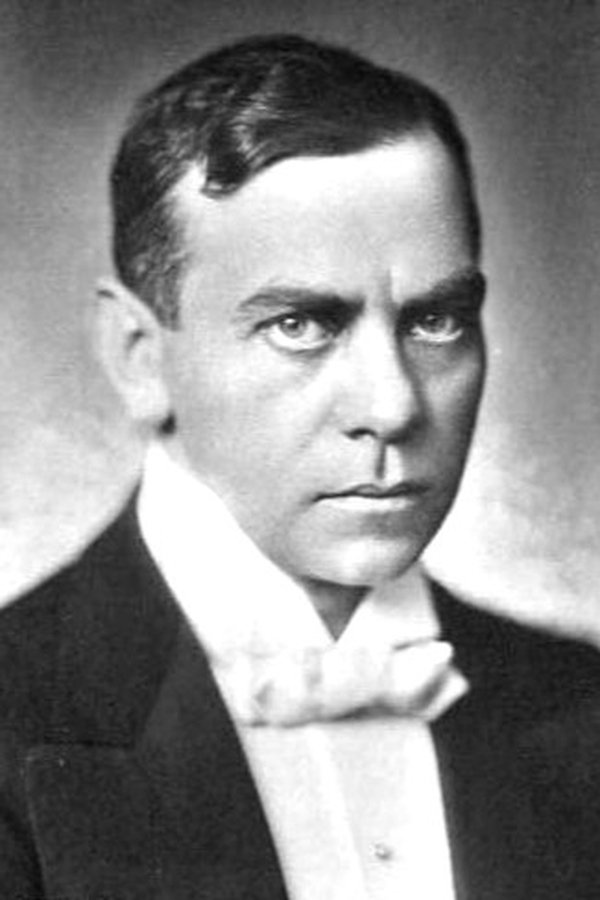
Gerhard Dammann
Kniese, Maurer
Lieselotte Heßler
Margarete v. Hintelmann, geb. Bütow
Ilse Pellemaier
Erna
Willi Puhlmann
Kläuschen
Miley Cyrus shares her struggles as a songstress with a young audience, all while staying upbeat for the Disney brand.
Honey Don't! is a chaotic queer noir that's part detective story, part midnight movie madness. Margaret Qualley is fantastic as the wise-cracking private eye Honey, with Aubrey Plaza and Chris Evans adding their own dry humor to the mix. The mystery itself is pretty loose, but the film makes up for it with crackling sexual tension, weird side characters, and razor-sharp dialogue. It's messy and uneven, but in the best possible way.
How closely should film adaptations follow their source material? Let's take a deep dive into "Norma Rae", and find out.
The film does not add anything to its own conversation or genre, and falls flat once it’s about to end and must declare some sort of conclusion.
Kat Wahlen’s The Whiteboard tells, or rather shows, a delightful love story between two young women who meet in detention.
Sisters Mia and Emma discover and hunt down a unicorn with magical blood and want to protect it.