

Dead Poets Society Steals a Queer Story
Dead Poets Society relies on patriarchal tropes such as overbearing fathers, contrived brotherhood, and faux-individuality in order to portray its straight white male characters as oppressed.
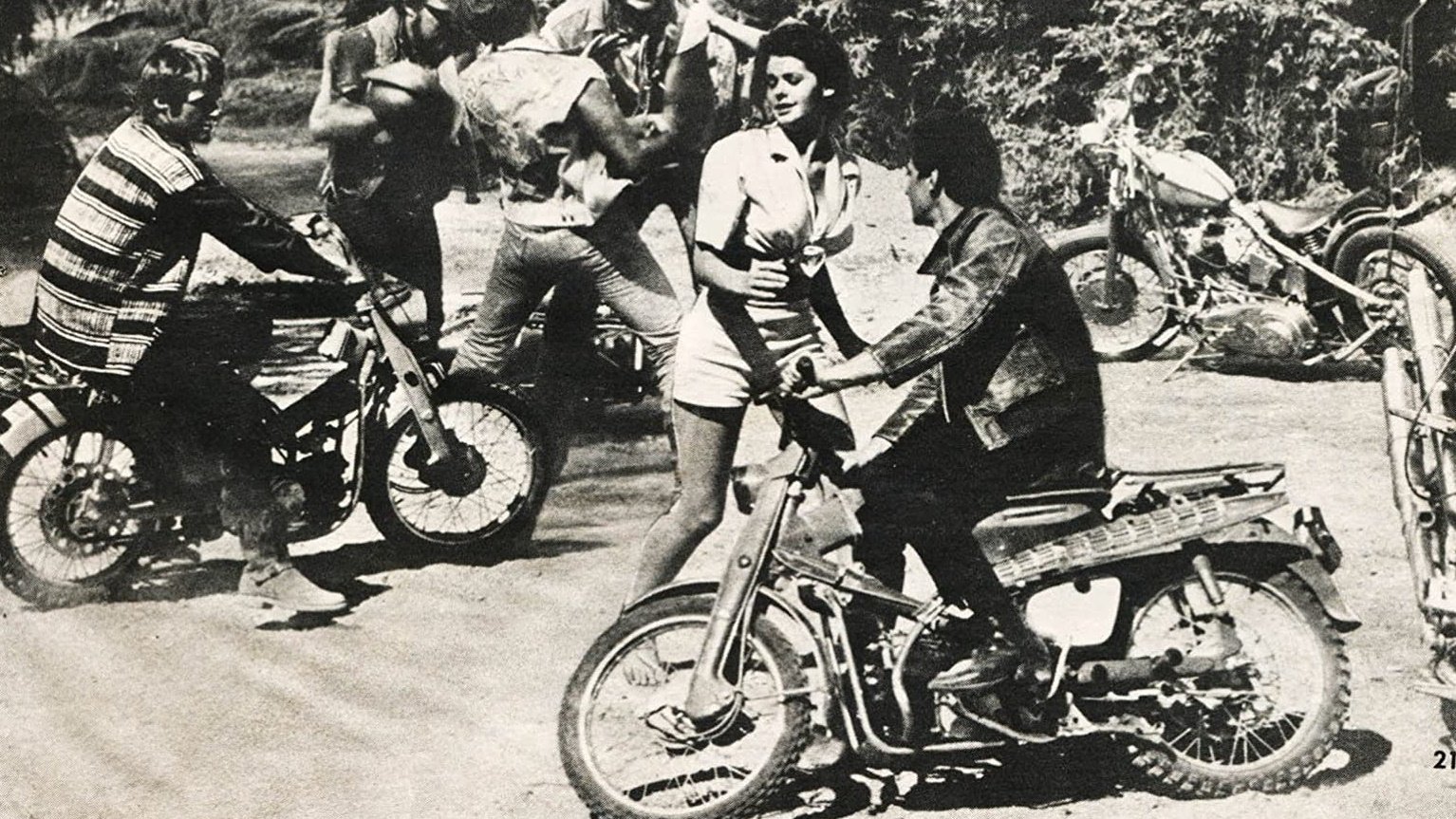
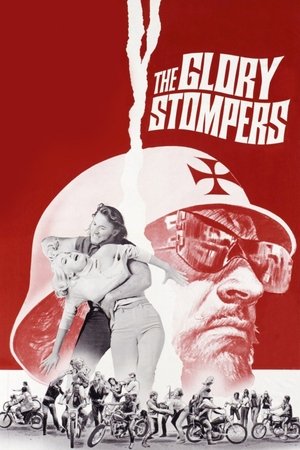


Chino is the tough leader of a motorcycle gang who starts off a war when he abducts and mistreats the leader of the enemy biker gang, Darryl, and his girlfriend Chris. Things get violent when Darryl comes back for revenge.
Dead Poets Society relies on patriarchal tropes such as overbearing fathers, contrived brotherhood, and faux-individuality in order to portray its straight white male characters as oppressed.
There's no hiding the horrors of war in this inspiring story of survival
An aspect of She-Ra that I find refreshing is even though a large portion of the cast is on the LGBTQ+ Spectrum, being gay is never mentioned. While this might initially sound like a negative thing, in the show’s land of Etheria being on the gay spectrum is shown to be so common and normalized that straight isn’t the default. As much as there is to appreciate about narratives revolving around the obstacles that may come from being non-heteronormative, it’s nice to get immersed in a world where no one bats an eye at all to any sort of differing identity.
As a huge fan of Sean Baker’s Tangerine, The Florida Project, and Red Rocket, I’ve wanted to watch Anora since before it even was released. But life got in the way, my watchlist grew, and honestly, the fact that it was marketed as a romantic comedy put me off. Even with all the critical praise and the five Academy Awards it won last year, I just kept postponing it indefinitely.
The multifaceted musical represents America in the 1960s and the battle against bigotry as an ensemble cast portrays how to fight for the limelight.
Moonlight is a film that will certainly be remembered for how it won Best Picture, but the movie itself should be known for its excellent representation of one of the most underrepresented groups in film: Black, gay men.