
"Enola Holmes 3" Screws Up Its Main Character And The Worldbuilding
Netflix’s recent "Enola Holmes 3" is a disappointing and confusing entry in the stellar "Enola Holmes" franchise.
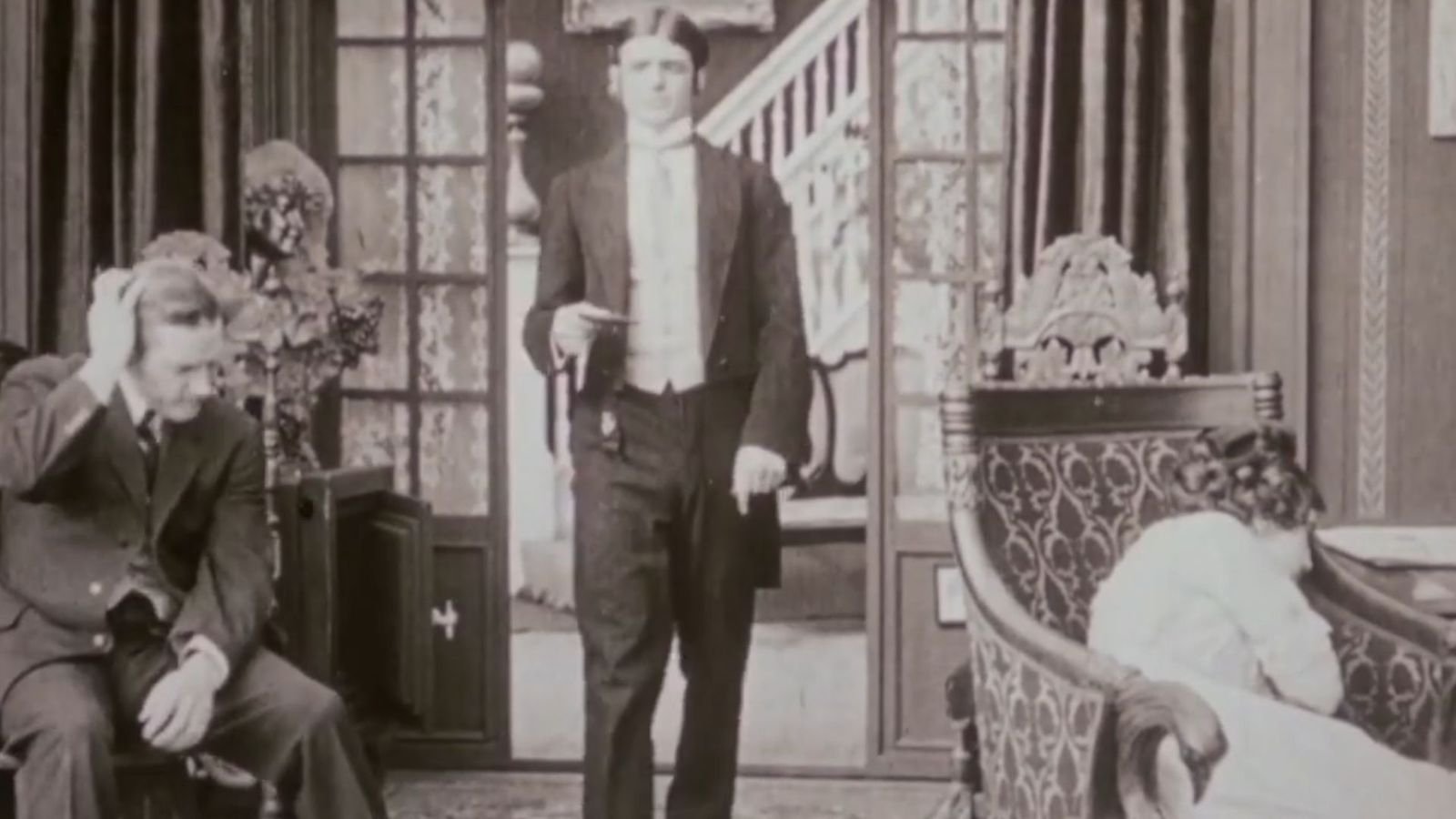


Peggy Wilson has recently become an orphan and a ward of the Waston family. She’s also inherited the late Robert Wilson’s vast fortune, which puts her very much in Mr. Waston’s favor. He would like his son, Frank, to marry Peggy, but Peggy “is not his style” and “her money is no inducement”.
Netflix’s recent "Enola Holmes 3" is a disappointing and confusing entry in the stellar "Enola Holmes" franchise.
When diverse representation is featured on-screen, it oftentimes comes with strings attached that undermine the message they were trying to send. This can be attributed to the fact that behind-the-screen, the industry primarily does not reflect the breadth of diverse difference that is present in daily life. That’s why when something as powerful and authentic as Minari comes along, it is both incredibly wonderful and needs a large audience to witness it.
This article is about the popular 'High School Musical: The Musical: The series.'
The social issues The Half of it takes on are handled well, between the antagonization brought on to Ellie for her race and the conflict that arises from her being gay. Both aspects of her character are built up over the course of the film and don’t seem abrupt or rushed. The film shows racism towards Ellie and her and father in varying levels, from having her schoolmates specifically address her as "Chinese girl” to the fore mentioned way her Dad is treated due to language barriers. The same can be said about Ellie being a lesbian. While she never truly “comes out” in the narrative, that does not undermine her journey of self-discovery from being meaningful. These ideas aren’t thrust upon the viewer in a preachy manor, the scenarios that occur feel believable given the rural setting. The film presents watchers with problems whom those like Ellie may face, and leaves us to sit with them and reflect.
'The Patient' is bound by four walls and a mediocre ending that leaves you wanting more.
'Motherless Brooklyn' is a 1950s whodunit made by its star, Edward Norton. Like most detective films in this setting, the cast is mostly white males (with a few notable exceptions).