Wayward Really Is Worth All The Hype
It’s been five months since Wayward premiered on Netflix and it still has some of us in a choke-hold.



A ramshackle underground SF satire set and shot in the self-absorbed art world of lower Manhattan, written, produced, and directed by Joe Gibbons, who also plays one of the lead parts. Gibbons plays a mad scientist who's developed a technique for transferring personalities from one person's body to another; he becomes obsessed with an outlaw artist (played by performance artist Karen Finley) who destroys paintings in various galleries as a form of anarchist, anticapitalist protest.

Emily Breer, Joe Gibbons
Director
Joe Gibbons
Desmond Denton

Karen Finley
Kitty Church

Tony Oursler
Les Alabaster
Tony Conrad
Dirk Dirkson
Adolfas Mekas
Dr. Corbin
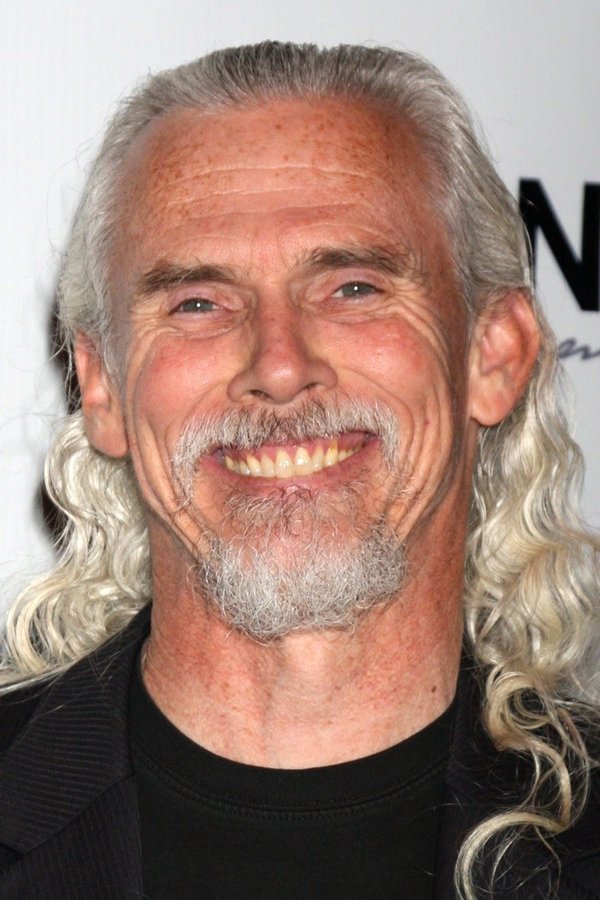
Camden Toy
Manic Client

Henry Hills
TV Reporter
Mark MacElhattan
Depressed Client
Corinne Mallet
Mike Ousterhout
Psycho Client
Albert McCreery
Casanova Client
It’s been five months since Wayward premiered on Netflix and it still has some of us in a choke-hold.
Throughout Brendan Fraser’s career, he has played a plethora of unique, layered characters who explore the importance of not being afraid to display your emotions, something that is often seen to not be a masculine trait. This idea of regulating emotion and what traits men are able to possess creates a toxic atmosphere for men who are often told they should not cry or represent their emotions in any physical way. These characters represent that men can be joyful, emotionally conscious, and sensitive, while also representing their masculine identity instead of painting those qualities as fighting against their masculinity.
"Boston Strangler" pulls the curtain back on a well-documented historical moment involving significant contributions from women reporters.
Hulu continues its Summer releases with The Princess. This film follows the princess (yes, she is unnamed) as she attempts to escape her tower, refusing to be wed to a cruel man vying for the throne. Action-packed and snarky, this is a decently fun film if you need a fighting fix.
In Paul Feig’s newest comedy, Last Christmas, Katarina (Emilia Clarke) didn’t give a heart, she got a heart, you see.
I highly recommend Dark Waters. It’s a highly engrossing picture, which lends itself to cautionary storytelling. The dark information continually grows, inspiring change and accountability altogether. Overall, Haynes’ picture will not be known for its inclusiveness--but it will be known for being a fantastic, engrossing film.