Trans Allegories in Film: 'The Little Mermaid' (1989)
Films can alleviate alienation by presenting realities where the viewers feelings are shared by onscreen characters. 'The Little Mermaid" film can be interpreted as a transgender story.




Once upon a time there was a garden, a refuge, a safe haven - 'The Garden of the Finzi Continis'. It came to life in Giorgio Bassani's 1962 semi-autobiographical novel recounting an unfulfilled love story between two young Jews in Ferrara, while fascism was raging in Italy in the late 1930's. In 1972, Vittorio De Sica's film adaptation of the book won the Oscar for Best Foreign Language Film. Since then, the fictional space of the garden became so tangible that people from all over the world come to Ferrara to look for it. Fifty years after winning the Oscar, reality and fiction come together once more, as we walk through an imaginary garden and bring to life the book, its author, its main protagonists, history, love, friendships and betrayals.

Rä di Martino
Director
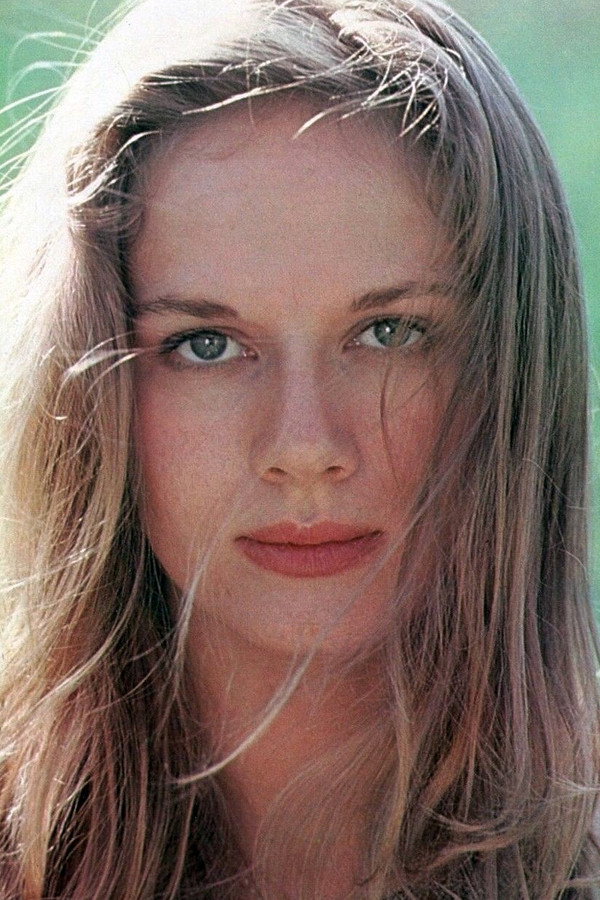
Dominique Sanda
Self

Giorgio Bassani
Self (archive footage)
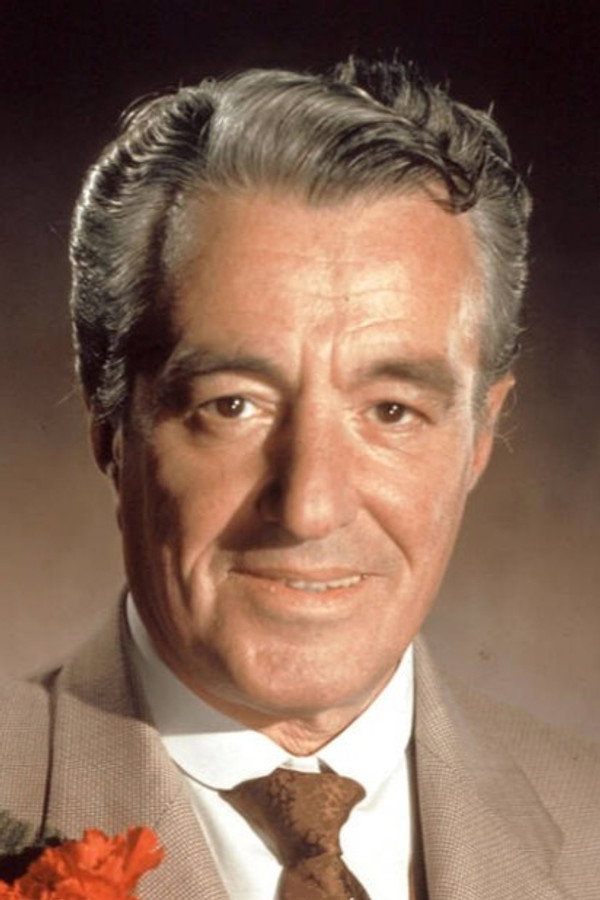
Vittorio De Sica
Self (archive footage)

Alessandro D'Alatri
Self

Lino Capolicchio
Self

Helmut Berger
Self (archive footage)

Fabio Testi
Self (archive footage)

Manuel De Sica
Self (archive footage)

Francesca Alice Antonini
Micòl
Federico Bizzarri
Giorgio
Giovanni Toscano
Malnate
Films can alleviate alienation by presenting realities where the viewers feelings are shared by onscreen characters. 'The Little Mermaid" film can be interpreted as a transgender story.
'Zero Refills' highlights the despicable treatment of the less fortunate by healthcare providers and big pharmaceuticals.
With The Father, writer-director Florian Zeller- who wrote and developed the play upon which the film is based- pulls no punches as he confidently makes every effort to put the audience in the mind of someone whose grip on reality has all but vanished. It’s a dazzling testament to Zeller’s abilities as a director as he makes his first transition from stage to film appear as if he’s been working behind a camera his entire career. The dialogue he fashions with co-writer Christopher Hampton, along with the work of production designers Peter Francis and Cathy Featherstone, collectively makes the downward spiral of dementia startlingly tangible, doing so in a way that can be comprehended by everyone except the person it directly affects.
Based on the fairy character from previous movies, this fantasy movie gives viewers magic.
The problem isn’t that it’s bad. It's good. But it fails to stand out from a crowd of similar films.
Some people’s first introduction to Mira Nair might be as New York mayor Zohran Mamdani’s mom. But with her insightful direction of 1991’s Mississippi Masala, Nair shows how much she deserves to be known as an artist. Delivering a nuanced portrait of a romance between a Black man and an Indian woman living in the South, Nair explores the complications each character faces, giving both equal weight.