

“Bury Your Gays” Trope in TV and How “Wynonna Earp” Defies it
I think that the happiness and survival of "Wynonna Earp"’s LGBTQ+ characters is incredibly refreshing in contrast to the prevalence of queer suffering and death in other television.
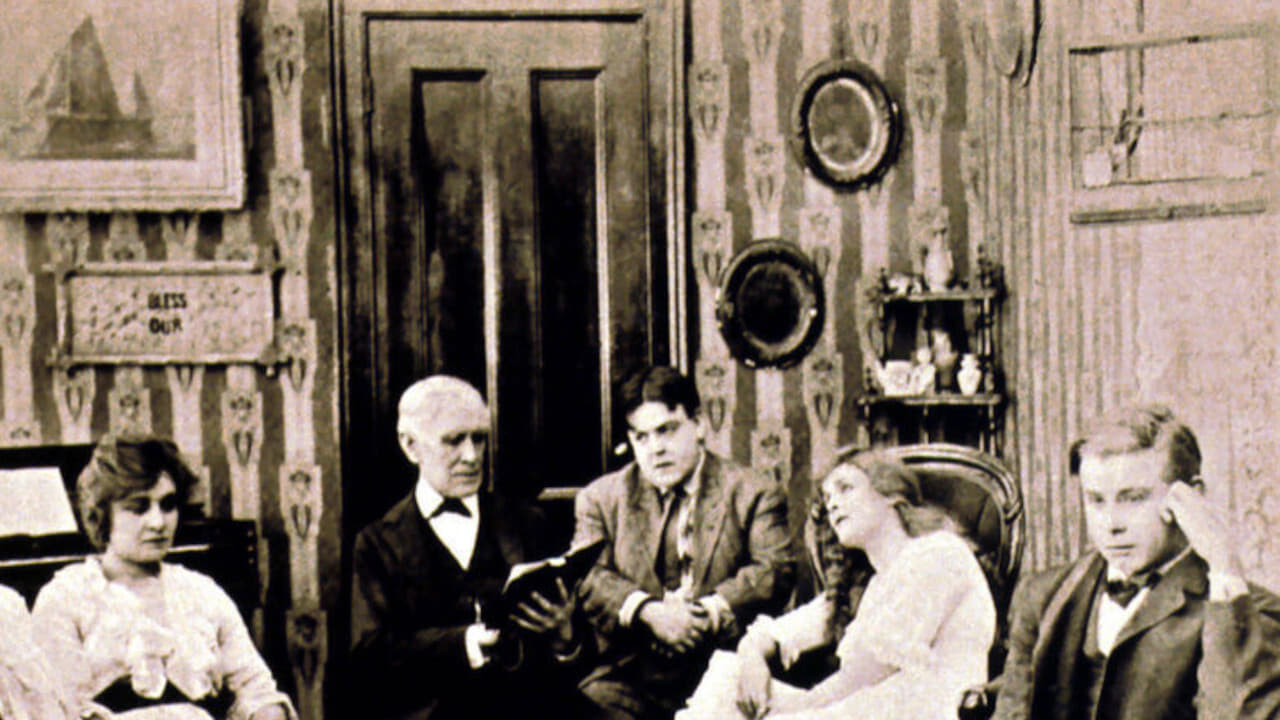
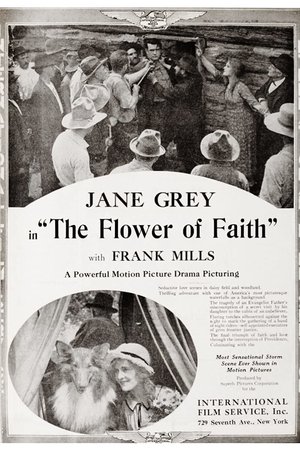


Traveling evangelist Ephram Judson (Albert Tavernier) is met with some formidable opposition in the person of avowed atheist Hugh Lee (Frank Mills). It seems that Lee disavowed the existence of God when his beloved sister was stricken with blindness. Judson's daughter Ruth (Jane Grey) does her best to convert Lee, but it's a losing battle. Even worse, a series of bizarre coincidences leads the villagers to conclude (wrongly) that Lee has tried to "have his way" with the virginal Ruth. On the verge of being lynched by the angry townsfolk, Lee is saved by a timely bolt of lightning -- whereupon he embraces that Old Time Religion in a real hurry. Cast as Ruth's ne'er-do-well brother Tom is diminutive Percy Helton, best known to latter-day film buffs for his raspy-voiced character roles in such talkies as The Robe, Kiss Me Deadly and The Music Man.
I think that the happiness and survival of "Wynonna Earp"’s LGBTQ+ characters is incredibly refreshing in contrast to the prevalence of queer suffering and death in other television.
Passing is a visually stunning portrayal of Larsen's story with an inclusive cast, and the performances of Thompson and Negga are sensational.
Darren Arronofsky focuses on diverse and heartbreaking stories about the human experience.
We’ve always known that Edgar Wright is a mixologist when it comes to blending sound, light, colour, and texture. This is especially true in the first act of the film. In fact, all of my positive feedback is directed exclusively at the first act of this film.
The Forge is a moving story about a young man’s search for purpose. Through mentorship, discipline, and faith in God, his life is transformed from confusion into clarity, reminding us that true greatness is shaped in the fire of surrender and growth.
The Rocky Horror Picture Show not only supported Tim curry queer individuals who were closeted or harassed. It made people question their identity, orientation, and lifestyles that they never had before.