








Writing Great Villains: Why They Shouldn't Be Sympathetic
Writing great villains is about striking a balance between charming and evil, so we love them but also love to see them lose.
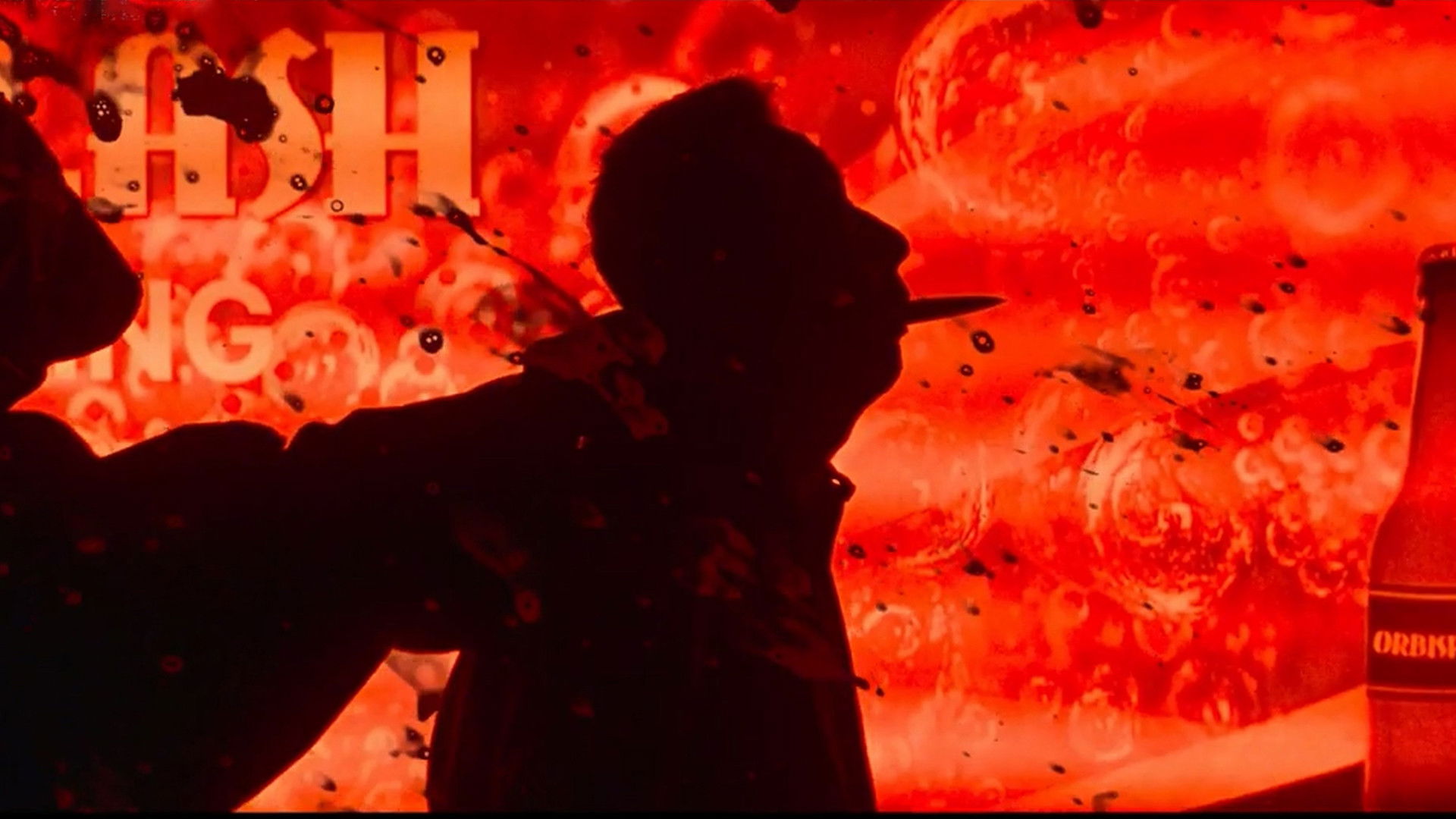
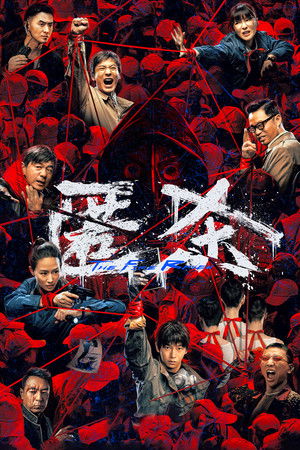


A group of powerful and corrupt individuals of varying backgrounds turn Doma City into a 'hell island', where high schooler Xiaodi is brutally raped and murdered. Fifteen years later, these manipulators meet a series of gruesome deaths. Fang Tianyang, who witnessed the murders, and police officer Fang Zhengnan delve into the investigation, only to discover that this anonymous killing is not simply revenge, but a belated indictment. A series of murders, layers of darkness—how many untold sins lie hidden behind the black web woven by power, money, and desire?
Writing great villains is about striking a balance between charming and evil, so we love them but also love to see them lose.
Canvas illustrates the story of a grandfather who, after suffering the loss of his beloved, struggles to reclaim his love for painting.
Miss You, Love You brings together two people who were meant to find each other at that moment in their lives.
James Cameron’s “Aliens” (1986) is a pinnacle of science fiction storytelling. Within this classic monster movie lies a powerful female character, Ellen Ripley (brilliantly portrayed by Sigourney Weaver).
Like Fourth of July fireworks, the film Honey Don’t is colorful and fun to look at, delivering many bangs (sex and guns!) for your buck before quietly fading out.
We’ve always known that Edgar Wright is a mixologist when it comes to blending sound, light, colour, and texture. This is especially true in the first act of the film. In fact, all of my positive feedback is directed exclusively at the first act of this film.