


Twin Peaks: Why LGBTQ Ally Depiction is Crucial
Portraying how easy it is to be an ally heavily benefits the majority audience. The more we encourage it, normalize it, and give people the tools to become one, the sooner we can co-exist peacefully.

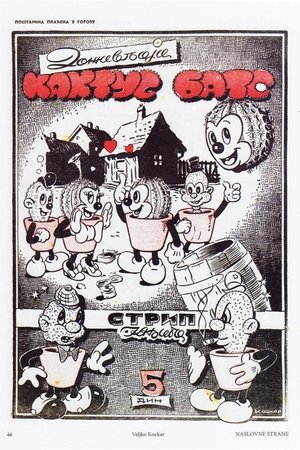


Aleksandar Zograf, a renowned cartoonist discovers an unusual comic book from World War II. The comic’s hero is Kaktus Kid – a small cactus trapped in his pot. Intrigued, Zograf investigates into the life of Kaktus Kid’s creator – little known artist Veljko Kockar. He soon discovers that Kockar was arrested just after the liberation of Belgrade in 1944. He was charged for being a Gestapo agent and executed. Zograf’s investigation reveals a far more complex story: Kockar’s identity and artistic works were stolen, he possibly has an affair with the girlfriend of a guerilla soldier and he drew anti-communist propaganda for the Nazis. As he explores the story and pieces together the scraps of evidence 70 years after it happened Zograf is faced with his own personal and artistic dilemmas: why do these little drawings have such power to give consolation but also lead to violence?
Portraying how easy it is to be an ally heavily benefits the majority audience. The more we encourage it, normalize it, and give people the tools to become one, the sooner we can co-exist peacefully.
This Christmas movie gives viewers a friendship that unexpectedly forms from a plane trip.
Despite the film’s efforts to reframe its heroine with modern complexity, a certain emotional distance lingers.
This animated kids' movie shows viewers two different species--jungle animals and aliens--and how both species coexist.
This thrilling film about feminine rage and male hostility is an incredible depiction of the fragility of the male ego.
‘Bruiser’ is an intense drama that explores unresolved childhood trauma and how it can affect the people around us.