'One Day at Disney': A Story of the Company's Legacy
Have you ever wondered what it's like to work at the greatest arts and entertainment company? This documentary film gives us a look at the people who make the magic.

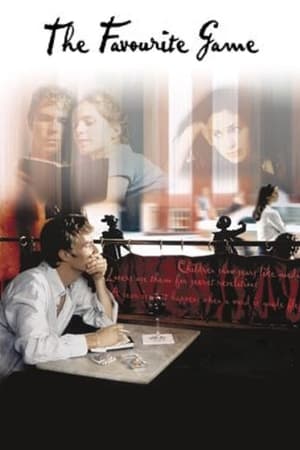


As a kid, Leo thought he possessed, like a magician, the secret power to make things happen. As a young man, he certainly knows how to make things happen with women. But as his best friend Krantz would say to him, "Why do you always ask questions you already know answers to?" Leo believes firmly in what he invents from one day to the next. Images, impressions, stories fill his head. That's just how he is: life, for Leo, is just a game. Behind this childlike attitude, hides the very essence of his own life's quest.

Bernar Hébert
Director
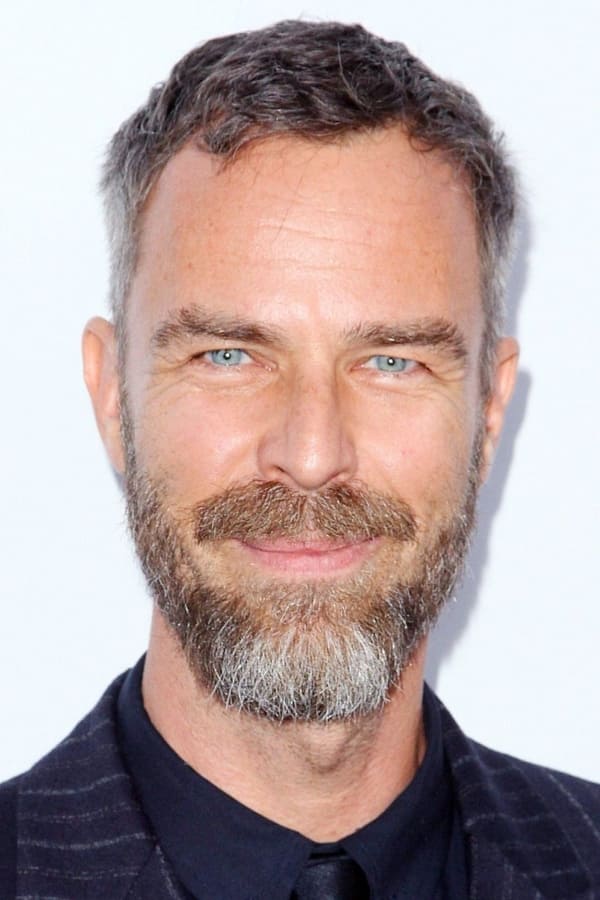
JR Bourne
Leo / poet
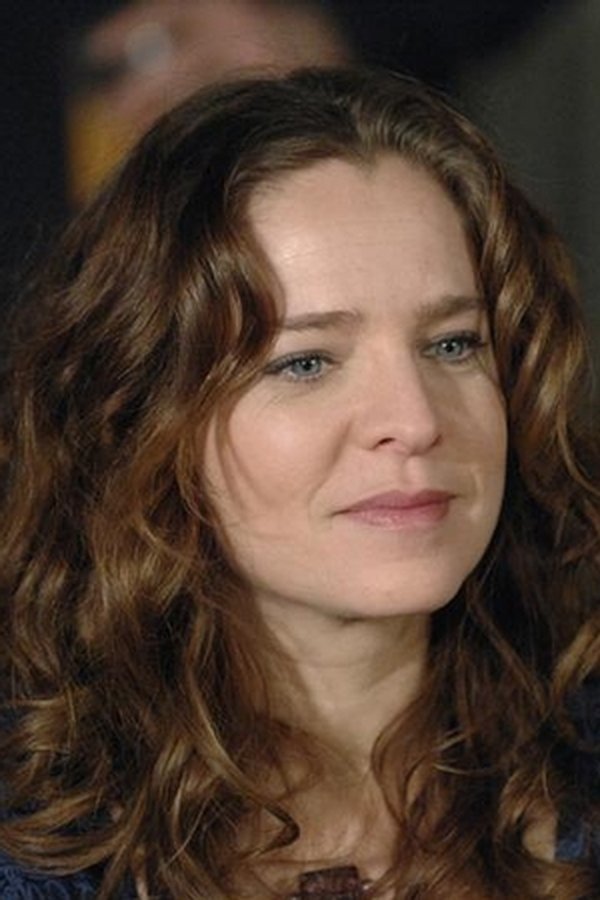
Michèle-Barbara Pelletier
Shell
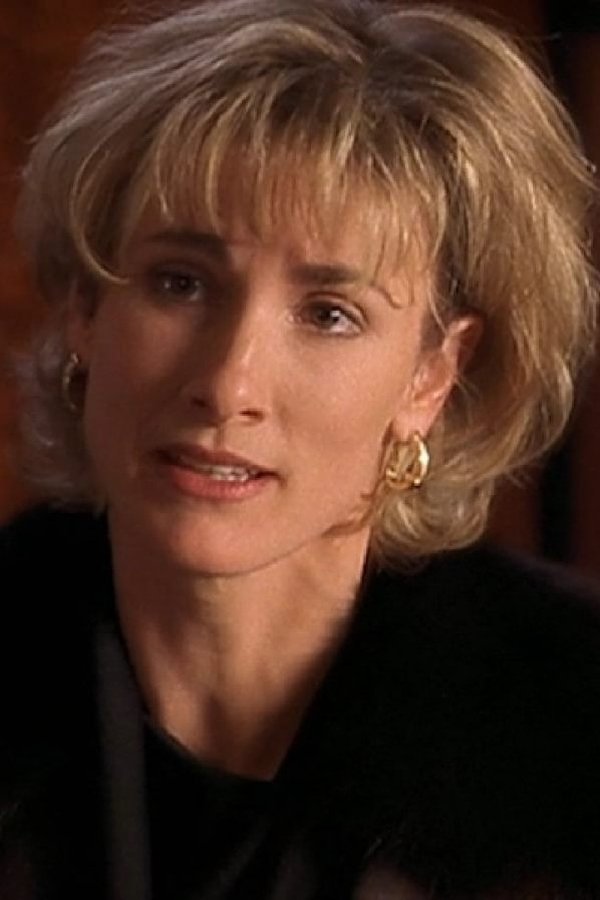
Cary Lawrence
Lisa

Sabine Karsenti
Tamara / Leo's ex-girlfriend
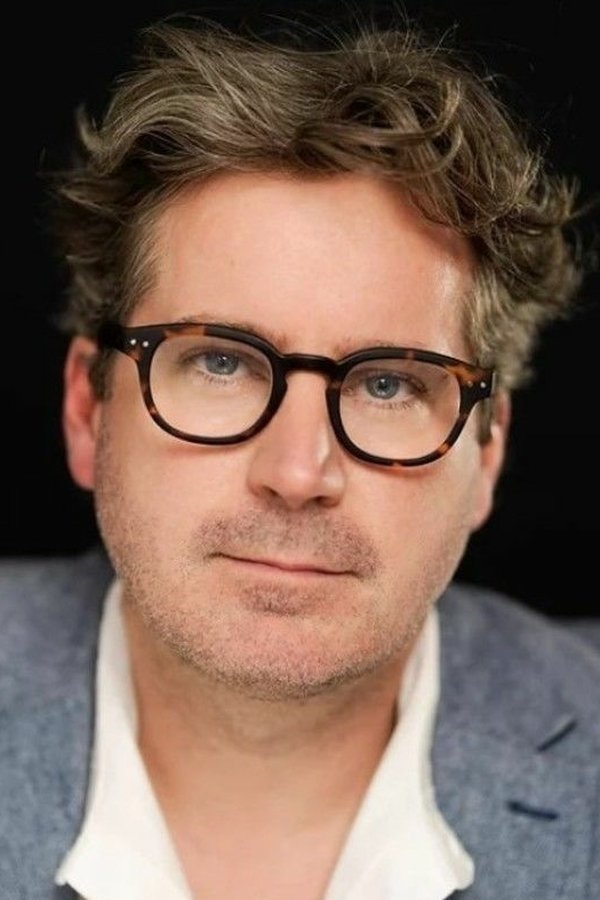
Daniel Brochu
Krantz / Leo's friend
Vikki Walker
Nellie / Leo's cousin
Catlin Foster
Leo / 10 years old

Ashley Lang
Lisa / 10 years old
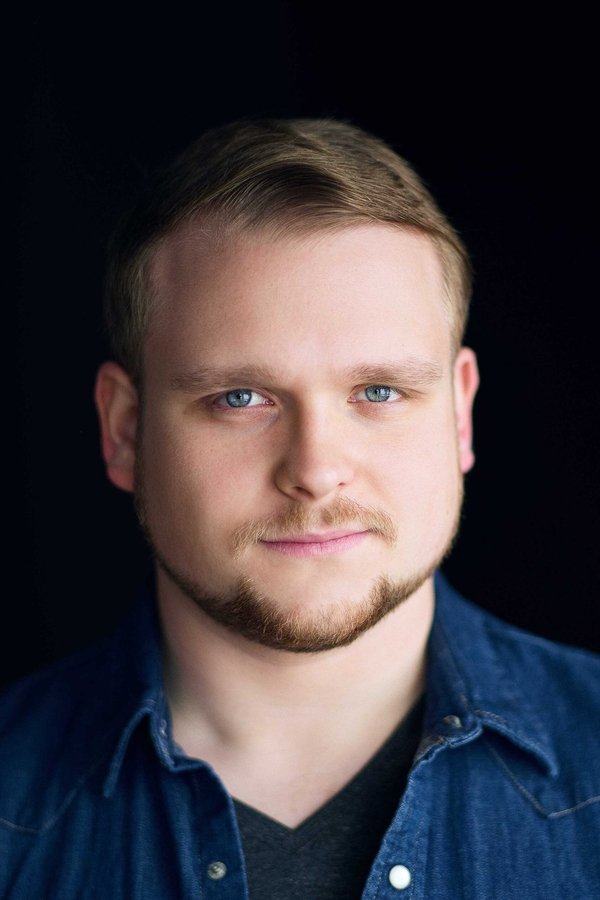
Wyatt Bowen
Krantz / 10 years old
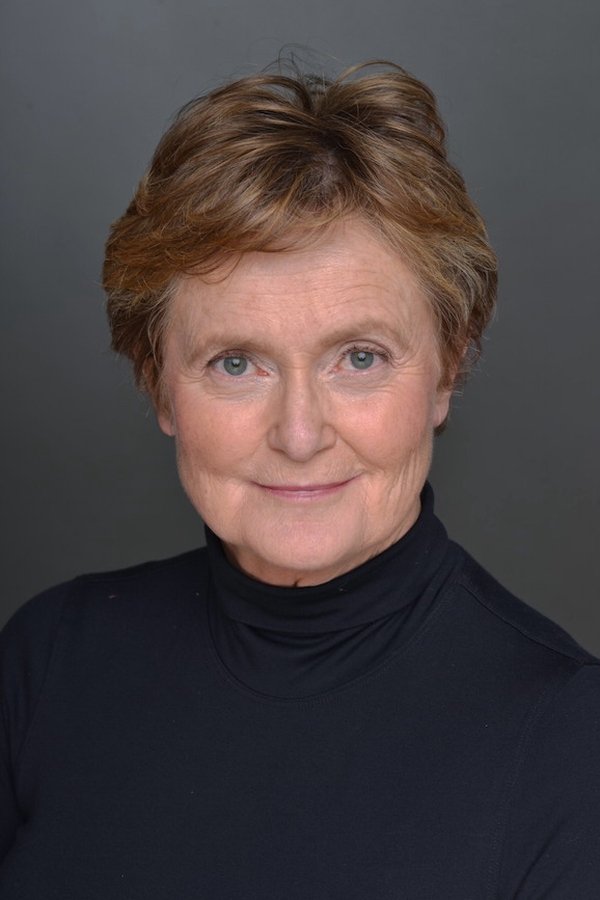
Bronwen Mantel
Leo's Mother

Robert Brewster
Leo's Father
Have you ever wondered what it's like to work at the greatest arts and entertainment company? This documentary film gives us a look at the people who make the magic.
Only time will tell what this new Black Panther and movie will show us with all of the old and new elements of the superhero craft integrated.
"WHAT ARE YOU WILLING TO SACRIFICE?!!!!" "EVERYTHING!!!!!" This is but one of a multitude of highly emphatic questions, and subsequent answers, being asked in the newest feature film from one of the current masters of horror, Jordan Peele ("Get Out", "Us" and "Nope"). I must give Peele credit in that he continues to push the boundaries of specific genres and their associated tropes in order to provide what ends up amounting to subtly then jarringly intense, yet still character and story-driven, cinema that speaks more to indie stylings than mainstream.
As an Indian lesbian living in the United Kingdom, the cards are stacked against Geetika from the start.
I like discovering something new among the old and Tubi has an assortment of horror films from cinema's past for just such an occasion.
Years before Mexican director, Alfonso Cuaron, was winning Academy Awards for movies like Gravity (2013) and Roma(2018), he directed a small, intimate film about two best friends who decide to embark on an improvised road trip to spend time with an older, attractive woman who miraculously agrees to go with them. Y tu Mamá También is a deep journey into the raw sexuality and friendship of the young protagonists, as well as a subtle social and political commentary on Mexico at the time.