






Incluvie – Better diversity in movies.
Identity in film with Incluvie stamps, scores, reviews.

Incluvie – Better diversity in movies.
Explore identity in film with Incluvie stamps, scores, reviews, and insights.

trailer banner
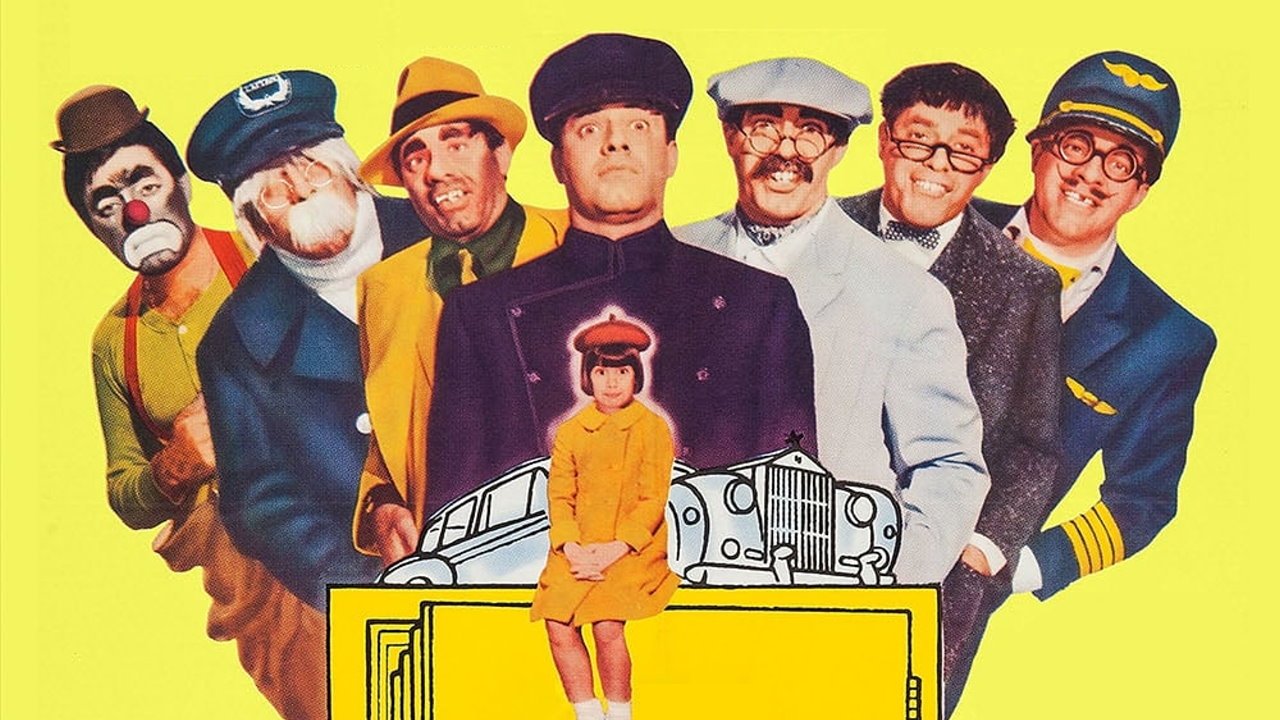
The Family Jewels poster

The Family Jewels (1965)

A young heiress must choose between six uncles, one of which is up to no good and out to harm the girl's beloved bodyguard who practically raised her.
- / 5
PopScore
Representation

Pictures and Videos


Incluvie Gala

Movie Information


A young heiress must choose between six uncles, one of which is up to no good and out to harm the girl's beloved bodyguard who practically raised her.

Rating:NR
Genre:Comedy, Crime
Directed By:Jerry Lewis
Written By:Bill Richmond, Jerry Lewis
In Theaters:7/1/1965
Box Office:

Runtime:99 minutes
Studio:Jerry Lewis Productions

Articles You May Like


"The Father" is a Depressing But Insightful Look at Dementia

With The Father, writer-director Florian Zeller- who wrote and developed the play upon which the film is based- pulls no punches as he confidently makes every effort to put the audience in the mind of someone whose grip on reality has all but vanished. It’s a dazzling testament to Zeller’s abilities as a director as he makes his first transition from stage to film appear as if he’s been working behind a camera his entire career. The dialogue he fashions with co-writer Christopher Hampton, along with the work of production designers Peter Francis and Cathy Featherstone, collectively makes the downward spiral of dementia startlingly tangible, doing so in a way that can be comprehended by everyone except the person it directly affects.

Matt Geiger

'Jack and Diane' Review: Wasted Potential

The plot could’ve really been interesting if the elements of lycanthropy was integrated with perhaps the struggle of identity of being LGBTQ+. It's an experience for so many that as they’re starting to realizing their true selves, they feel like a monster, especially if they come from unsupportive homes or communities. Instead, the horror and transformation elements seem thrown in without contemplation of how this could deepen the narrative.

Andrea Amoroso