The Suicide Squad—An Overlooked and Underrated "Sequel"
Since Season 2 of Peacemaker is currently airing, let’s revisit the movie that started it all.
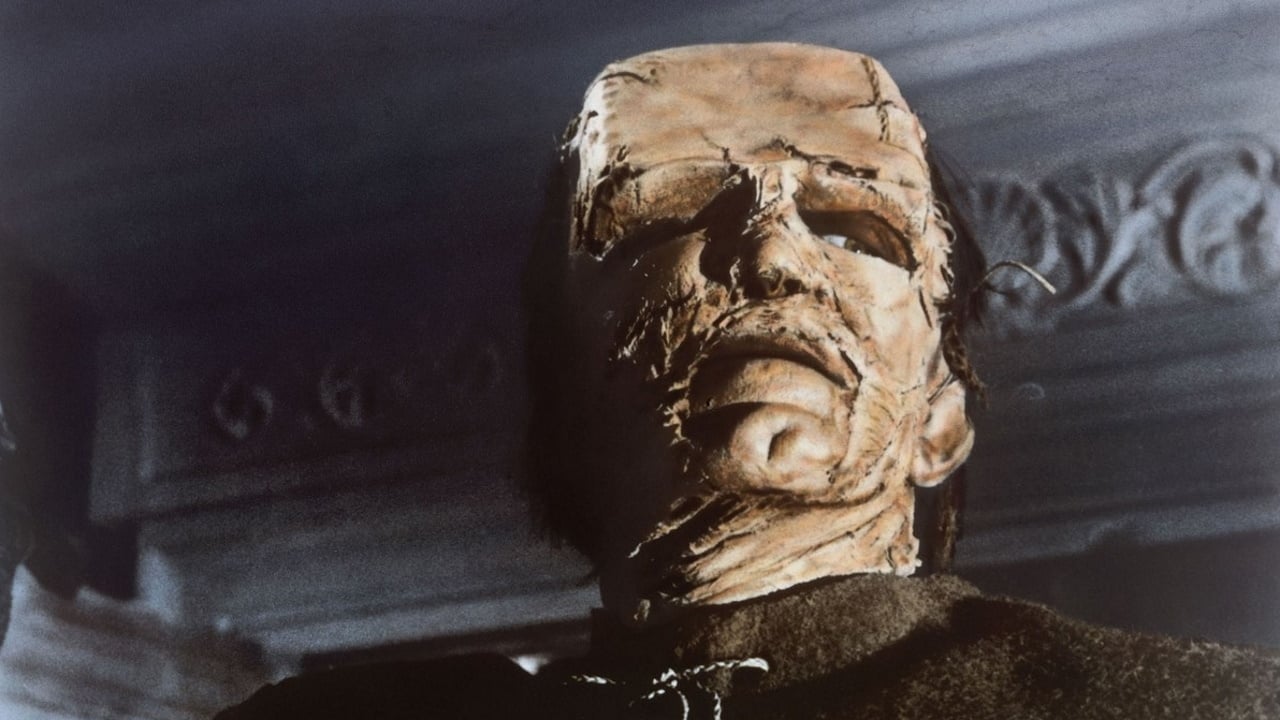
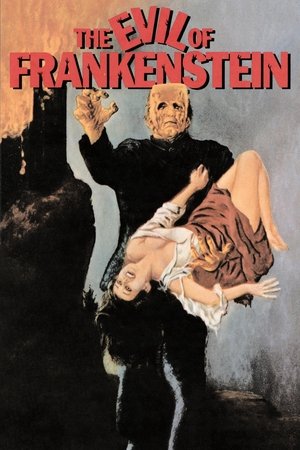


Once hounded from his castle by outraged villagers for creating a monstrous living being, Baron Frankenstein returns to Karlstaad. High in the mountains they stumble on the body of the creature, perfectly preserved in the ice. He is brought back to life with the help of the hypnotist Zoltan who now controls the creature. Can Frankenstein break Zoltan's hypnotic spell that incites the monster to commit these horrific murders or will Zoltan induce the creature to destroy its creator?

Freddie Francis
Director

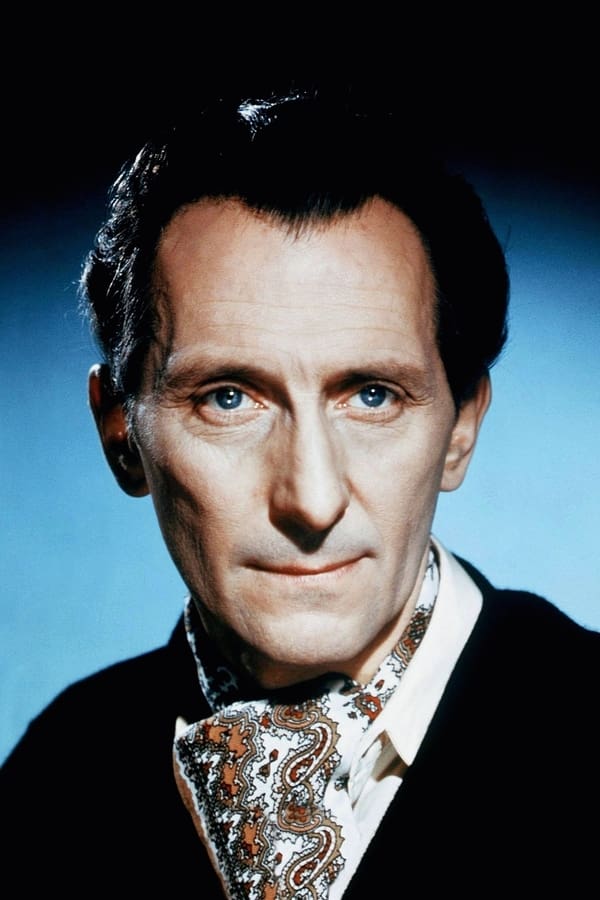
Peter Cushing
Baron Frankenstein
Peter Woodthorpe
Prof. Zoltan
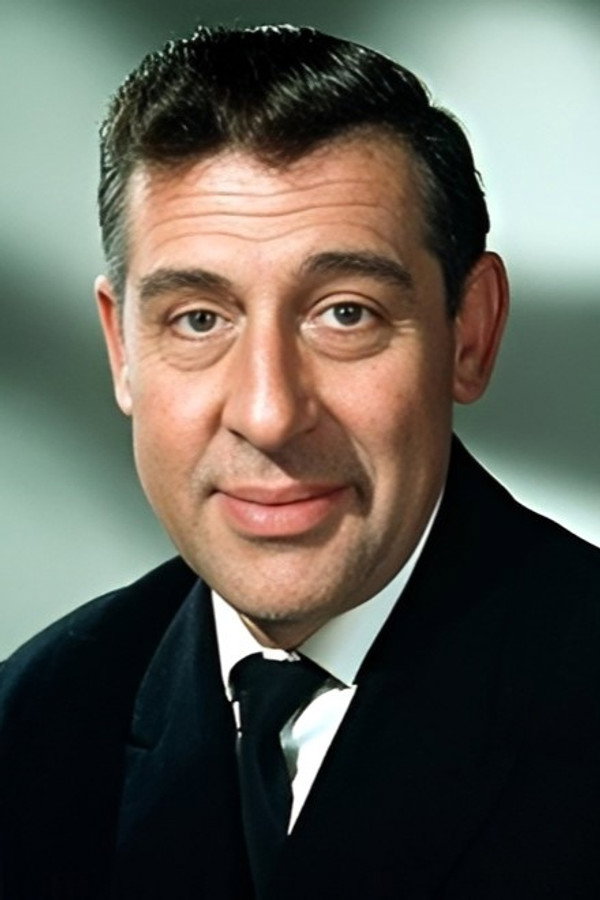
Duncan Lamont
Karlstaad

Sandor Elès
Hans
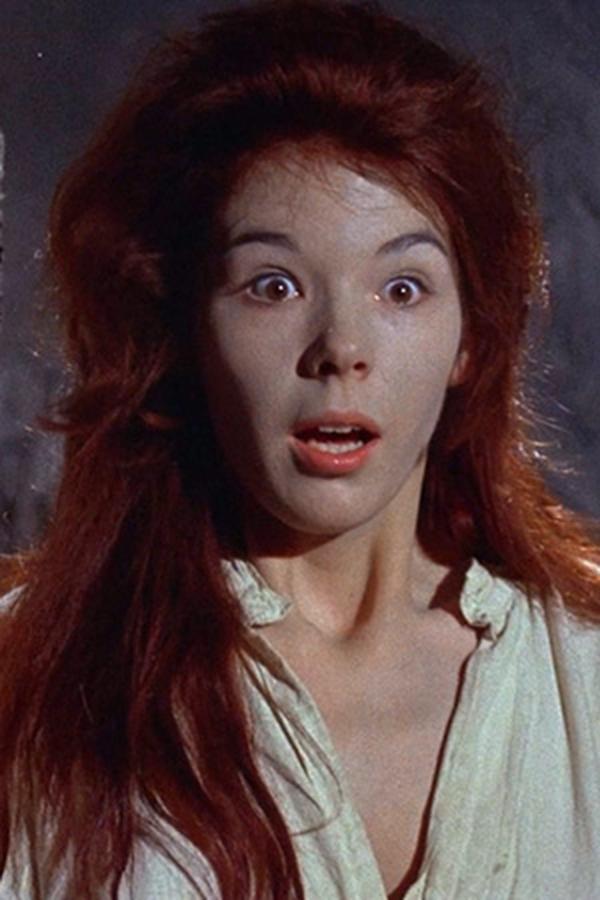
Katy Wild
Beggar Girl

David Hutcheson
Bürgermeister
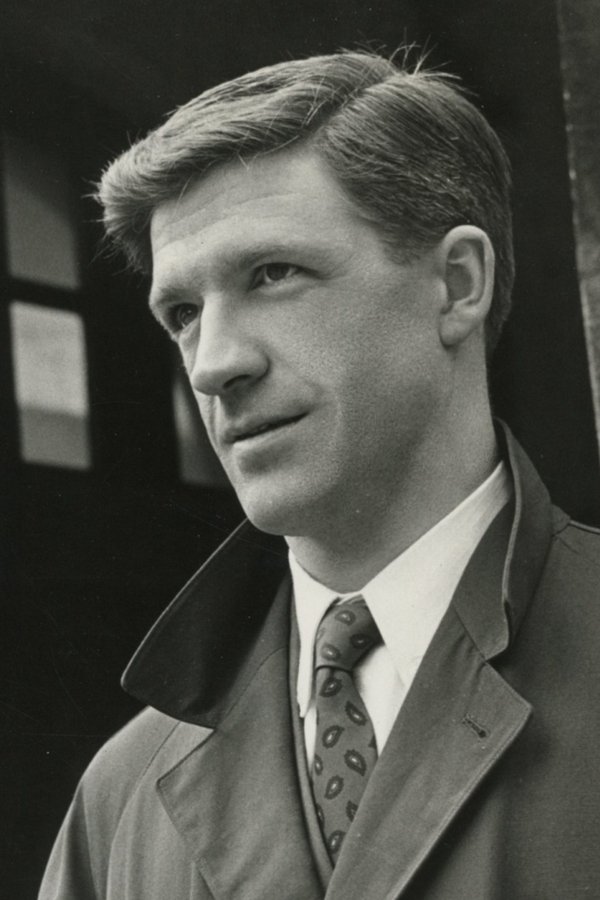
James Maxwell
Priester

Howard Goorney
Drunk
Kiwi Kingston
The Monster

Caron Gardner
Burgermeister's Wife

Tracy Stratford
Rena as a Child (uncredited)
Since Season 2 of Peacemaker is currently airing, let’s revisit the movie that started it all.
If you’re looking for an engaging female-led film that touches on the genres of action, drama, and thriller, look no further than Le-Van Kiet’s "Furie".
'Rag Tag' encompasses the diversity within the African Diaspora by showing London Nigerian men learning to regulate their emotions while navigating love and societal pressures.
Animation as a medium of storytelling can be thought to be open to all ages and as I hope my reading will reveal, 'Nimona' could be interpreted as a transgender story.
‘Concerto’ is esoteric at best, meant to satisfy the non-melanted’s sense of nostalgia. It is revisionist at worst, cherry-picking images that defy the true tapestry of the human condition.
Sorry to Bother You ultimately speaks to the unfair advantages that the country’s power structures award to those with the resources to control others, as Lift’s easy access to the media allows his opinion to be the only one that matters in the eyes of the unsuspecting and easily impressed public. Moreover, it reveals the extent to which the American Dream has any true validity. It postulates how the promise of success and fulfillment as promoted by the American Dream more often than not leads to the undoing of the individual. Interestingly, in its revealing of the American Dream as merely a facade, Sorry to Bother You wisely questions whether or not anything can really be done to undo a system that has been accepted and in action for centuries.