

History and Lessons behind Norma Rae aka Crystal Lee
How closely should film adaptations follow their source material? Let's take a deep dive into "Norma Rae", and find out.
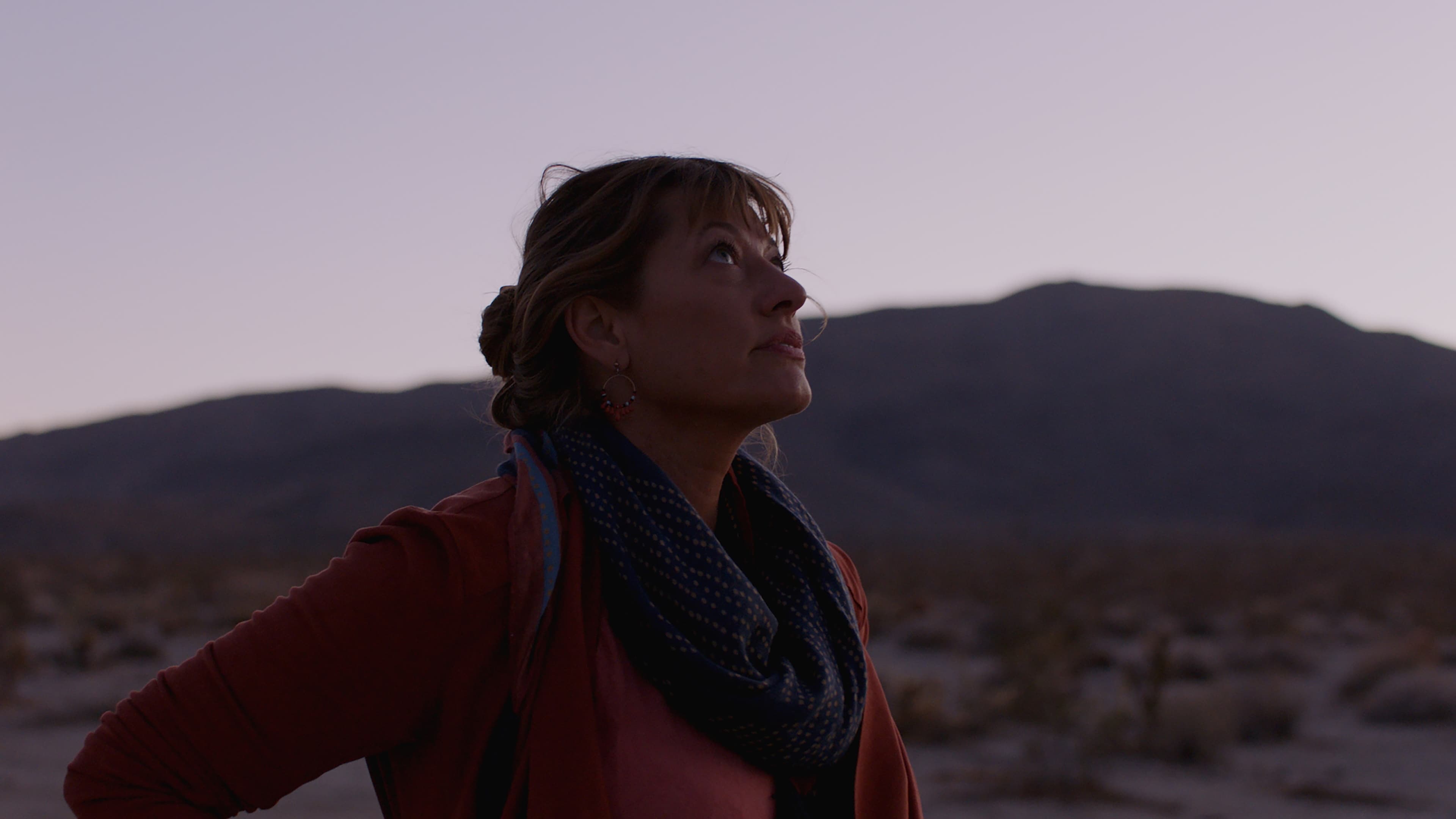
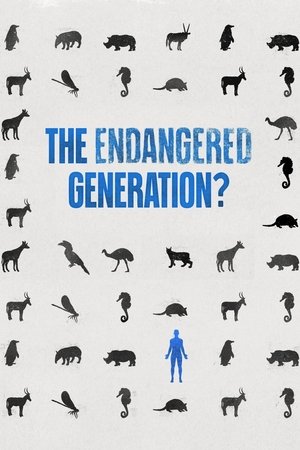


Our world is at a crossroads of myriad crises, but all too often the solutions to the problems we face – especially climate change – are put in the ‘too hard basket. But, as director Celeste Geer discovers, it doesn’t have to be this way. Following Then the Wind Changed, her Walkley Award-winning film about rebuilding after the 2009 Black Saturday bushfires, she sought answers to why, after decades of warnings, we continue to shirk the necessary measures that will prevent all-out climate catastrophe.
How closely should film adaptations follow their source material? Let's take a deep dive into "Norma Rae", and find out.
“And I think to myself….what a wonderful world”. Louis Armstrong sang about this notion via his classic 1967 song, an ode to witnessing elements of our life that should be but some reminders of exactly what that concluding line of each verse indicates. Now we see our contemporary realities and, just being honest, it makes a sentiment like this seem SO overtly far away….perhaps even impossible….to accept or believe could be. It sounds harsh, but again, so much of what is occurring speaks not to beauty, but bedlam.
"Be good. It doesn’t mean you can’t be tough. It doesn’t mean you always have to be nice. Just be good."
In the film adaptation, director Jon M. Chu turns each musical number into a massive show stopper, with grand set pieces and a wealth of diverse dancers. Yet, in this attempt to show reverence for the people of the Washington Heights barrio, Chu, or maybe more specifically those in charge of casting, left out a crucial part of the community, Afro-Latinos.
Telling a story about the French and Indian Wars from the perspective of the British prioritizes the perspective of the colonizers.
Great films not only give us great stories, but also great soundtracks. Here are some of our favorite picks for soundtracks songs.