Mahavatar Narsimha Movie Review – A New Era for Indian Animation
Mahavatar Narsimha (2025) brings the epic tale of Hiranyakashipu to life with stunning animation, intense action, and a bold retelling of this timeless mythological drama.



A lonely wife runs off with a traveling actor, taking her boy with her but leaving her daughter behind. The boy, Byron Bennett, grows up, and is stranded back in Mayville with a theater troupe. To make enough money to get out of town, they teach the local fire department how to put on a play. While the village cutie Grace Jessup is being shown how to act, one of the troupe tries to seduce her. Byron, knowing what the lecher is up to, even if Grace doesn't, follows the pair and chokes the man senseless.
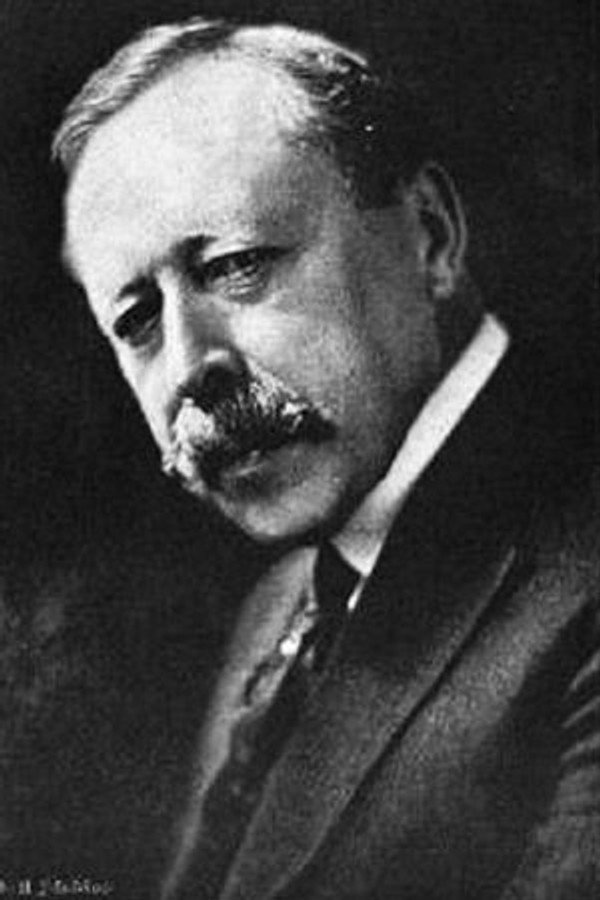
George D. Baker
Director


Lionel Barrymore
Byron Bennett

Ethel Corcoran
Grace Jessup
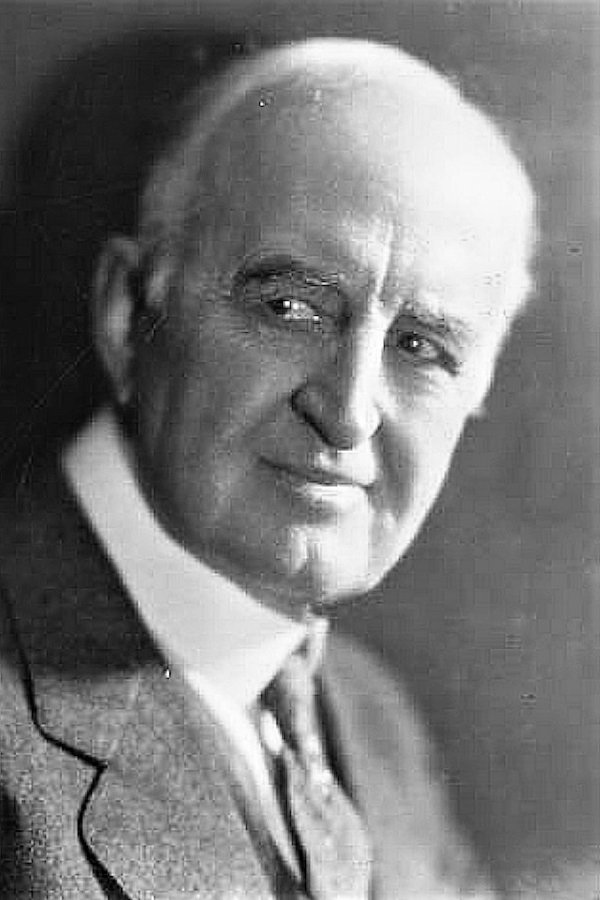
Frank Currier
Col. Jessup

Walter Hiers
'Skinny' Smith
J. Herbert Frank
Percy Pennington
Richard Thornton
'Solly' Harris

Maude Hill
Hattie Harrison

Kate Blancke
Mrs. Ryan
Hugh Jeffrey
Lester Montague
Mary Ross
Lottie Lee
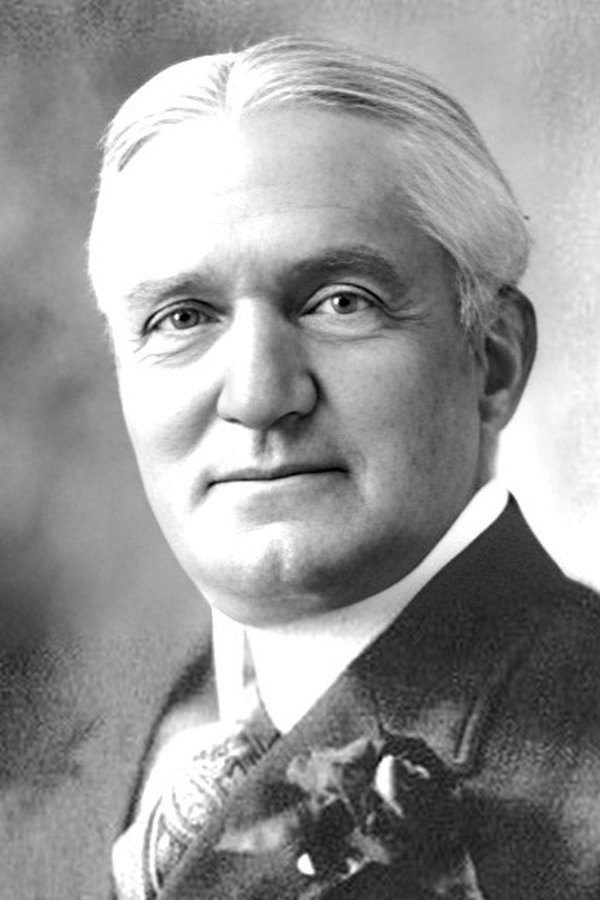
Charles Eldridge
Seth Perkins
Mahavatar Narsimha (2025) brings the epic tale of Hiranyakashipu to life with stunning animation, intense action, and a bold retelling of this timeless mythological drama.
The Batman (2022): Every Fan's Fantasy But Not A Masterpiece, As a superhero nerd and a childhood fan of Batman, the film is like a dream come true. Check out movie review, summary & movieplot
The sequel to the 2010 live-action movie focuses on sibling rivalry.
The movie is centered around the title character who goes on a Christmas adventure.
'Bodies Bodies Bodies', the latest from indie powerhouse studio A24, is a great time. Full of dark comedy laughs, great performances, and genuine scares, it's a perfect addition to modern slasher classics.
Sorry to Bother You ultimately speaks to the unfair advantages that the country’s power structures award to those with the resources to control others, as Lift’s easy access to the media allows his opinion to be the only one that matters in the eyes of the unsuspecting and easily impressed public. Moreover, it reveals the extent to which the American Dream has any true validity. It postulates how the promise of success and fulfillment as promoted by the American Dream more often than not leads to the undoing of the individual. Interestingly, in its revealing of the American Dream as merely a facade, Sorry to Bother You wisely questions whether or not anything can really be done to undo a system that has been accepted and in action for centuries.