



Making a Killing in 'Killers of the Flower Moon'
‘Killers of the Flower Moon’ is preoccupied with plot and not on the greater struggle of the Osage.
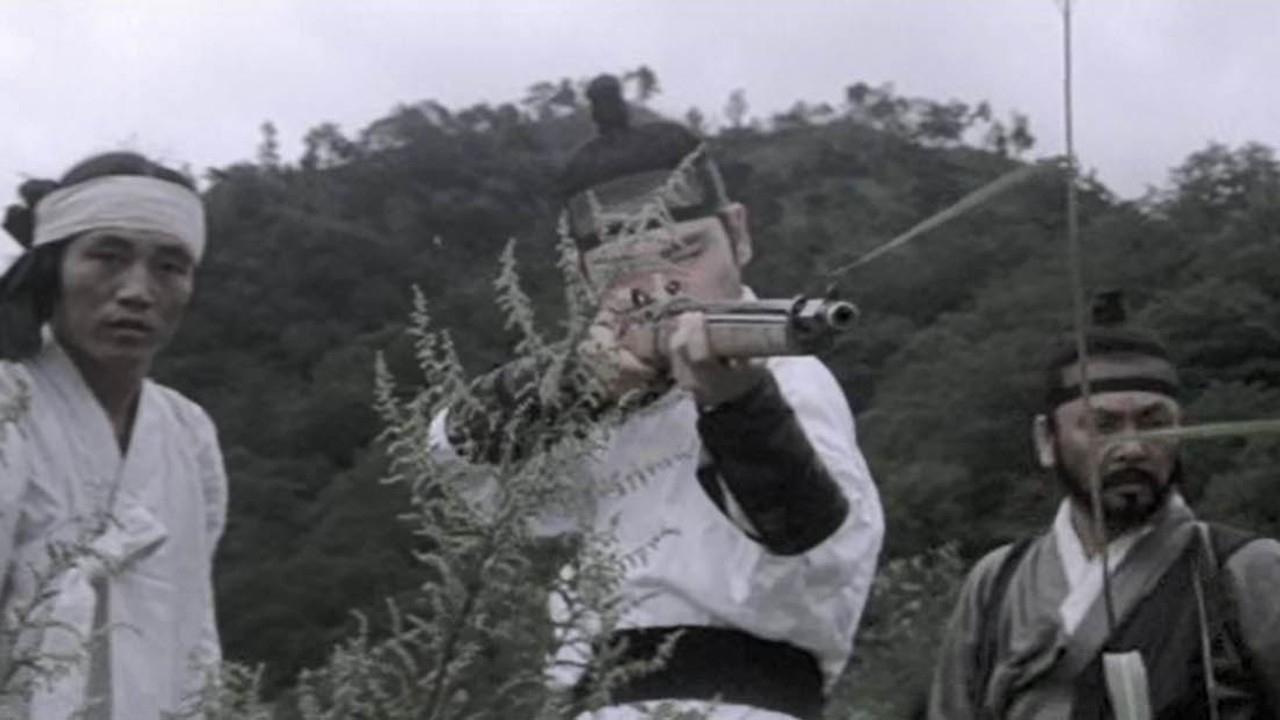
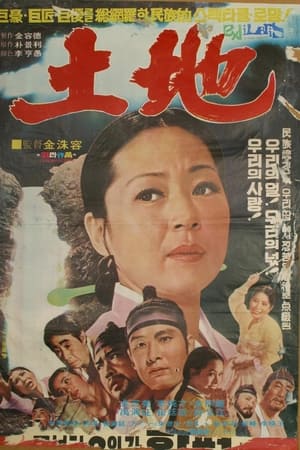


Ha Dong, Kyung Nam Province in 1890. Choi Chi-Su's family is a grand land lord of the region from generation to generation. His mother Mrs. Yoon gives birth to another son Hwan after she was raped by Kim Gae-Ju when he is 10 years old. Later Hwan becomes a servant of Choi family but he falls in love with Chi-Su's wife and they flee by night. Meanwhile after a reign of 40 years of King Ko Jong, cholera prevails all over the country and years of famine follows it. While people suffer from natural disasters and diseases, one of Chi-Su's maternal relative Cho Jun-Ku and his wife make a plot to take Choi family's enormous wealth and strengthen the foundation for his status. In this chaos some villagers and Seo-Hee, Chi-Su's daughter leave their village for Buk Kan Do.
‘Killers of the Flower Moon’ is preoccupied with plot and not on the greater struggle of the Osage.
Lee Daniels’s Billie Holiday biopic The United States vs. Billie Holiday was released on February 26th, 2021, and my immediate reaction to it was one of discomfort.
Fire Island is the more inclusive film of the two with the bi-phobic definition of pansexuality in The Thing About Harry and its obvious lack of colour on screen
The Vietnamese perspective is not only completely ignored in 'The Greatest Beer Run Ever', but it is blatantly whitewashed and disrespected.
While the camera is objectifying her body to invoke a sexual response in male viewers, Lara Croft still defies the expectations of women in action films.
There’s been a longstanding criticism of sci-fi films about its lack of Black characters. For the past few years, Anthony Mackie has been successfully representing Black masculinity in the otherwise homogenous genre and I am here for it.