





Incluvie – Better diversity in movies.
Identity in film with Incluvie stamps, scores, reviews.

Incluvie – Better diversity in movies.
Explore identity in film with Incluvie stamps, scores, reviews, and insights.

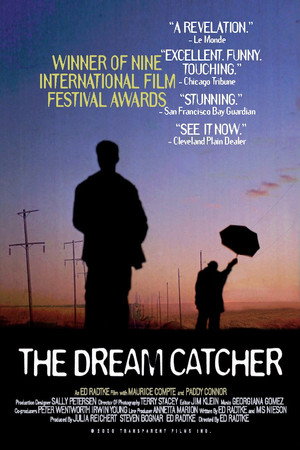
The Dream Catcher poster

The Dream Catcher (1999)

An abandoned teen jumps a freight train in Philadelphia intent on reaching his uncle in Indiana, whom he believes will help him with financial difficulties including a pregnant girlfriend. In Ohio, he meets another homeless teen, who escorts him to his uncle. Finding his uncle equally broke, the duo head on to Oklahoma City to try to find the first teen's long-gone ex-con father. A confrontation between father and son send the duo on into exploits in the west including getting beaten up, busting into an Indian reservation church, and hitch-hiking with a beautiful nurse.
- / 5
PopScore
Representation

Pictures and Videos


Incluvie Gala

Movie Information


An abandoned teen jumps a freight train in Philadelphia intent on reaching his uncle in Indiana, whom he believes will help him with financial difficulties including a pregnant girlfriend. In Ohio, he meets another homeless teen, who escorts him to his uncle. Finding his uncle equally broke, the duo head on to Oklahoma City to try to find the first teen's long-gone ex-con father. A confrontation between father and son send the duo on into exploits in the west including getting beaten up, busting into an Indian reservation church, and hitch-hiking with a beautiful nurse.

Rating:
Genre:Drama
Directed By:Ed Radtke
Written By:M.S. Nieson, Ed Radtke
In Theaters:8/8/1999
Box Office:

Runtime:99 minutes
Studio:Time Warner Cable

Articles You May Like


‘She-Ra and the Princesses of Power’, a Worthwhile Watch to Celebrate Pride Month with the Whole Family!

An aspect of She-Ra that I find refreshing is even though a large portion of the cast is on the LGBTQ+ Spectrum, being gay is never mentioned. While this might initially sound like a negative thing, in the show’s land of Etheria being on the gay spectrum is shown to be so common and normalized that straight isn’t the default. As much as there is to appreciate about narratives revolving around the obstacles that may come from being non-heteronormative, it’s nice to get immersed in a world where no one bats an eye at all to any sort of differing identity.

Andrea Amoroso