



Incluvie – Better diversity in movies.
Identity in film with Incluvie stamps, scores, reviews.

Incluvie – Better diversity in movies.
Explore identity in film with Incluvie stamps, scores, reviews, and insights.

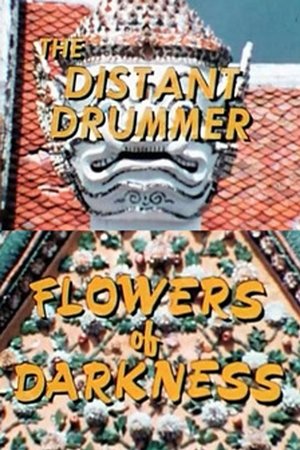
The Distant Drummer: Flowers of Darkness poster

The Distant Drummer: Flowers of Darkness (1972)

The life of man is poor and nasty. A few plants give temporary relief: marijuana, alcohol, and opium. After a history of opium, including the 19th-century Opium Wars, we learn of the discovery of heroin; the rest of the film examines heroin trade and addiction in the U.S. Two tons a year enter the U.S., with only 100 pounds interdicted. Most is used in New York City. Interviews with customs officials, prosecutors, medical doctors and junkies provide points of view. The harsh 1956 law and the medically-oriented law of 1966 are contrasted, with the film on the side of treatment and rehabilitation. It ends with advocating reducing use here and finding other cash crops for farmers abroad.
- / 5
PopScore
Representation

Pictures and Videos


Incluvie Gala

Movie Information


The life of man is poor and nasty. A few plants give temporary relief: marijuana, alcohol, and opium. After a history of opium, including the 19th-century Opium Wars, we learn of the discovery of heroin; the rest of the film examines heroin trade and addiction in the U.S. Two tons a year enter the U.S., with only 100 pounds interdicted. Most is used in New York City. Interviews with customs officials, prosecutors, medical doctors and junkies provide points of view. The harsh 1956 law and the medically-oriented law of 1966 are contrasted, with the film on the side of treatment and rehabilitation. It ends with advocating reducing use here and finding other cash crops for farmers abroad.

Rating:NR
Genre:Documentary
Directed By:William Templeton
Written By:Don Peterson
In Theaters:1/1/1972
Box Office:

Runtime:22 minutes
Studio:

Articles You May Like


The Burden of Female Intuition in Something Very Bad Is Going to Happen (2026)

“Trust your gut" is one of the most common pieces of advice you’ll receive during your lifetime. And as a person inclined to trust my intuition above all else, it’s the most common advice I find myself giving in real life and in my online socialising. But what happens when your gut is trying to warn you that something is seriously wrong without you being able to identify what triggered it in the first place? How can you act on a feeling or make it go away when you don’t have a clue about what could be wrong? How can you trust your intuition when you don’t know what makes it act out in the first place?

Simina Munteanu

"She’s Gotta Have It” was Ahead of the Curve in Portrayal of Female Sexuality

In Spike Lee’s She’s Gotta Have It (1986), we follow the love life of powerful female protagonist Nola Darling (Tracy Camilla Johns) and explore the relationship dynamics she has with her partners. She sees three men simultaneously: Greer Childs, (John Canada Terrell) Mars Blackmon (Spike Lee), and Jamie Overstreet (Tommy Redmond Hicks). Though an 80’s film, She’s Gotta Have It is surprisingly progressive with its themes of female sexuality, although at some points in the film it is handled clumsily. Overall Nola is an incredibly compelling character especially for modern women, as we as a society acknowledge female sensuality more and more without the negative stigma.

Andrea Amoroso

Honey Don’t!: A Messy Queer but Mischievous Comedy

Honey Don't! is a chaotic queer noir that's part detective story, part midnight movie madness. Margaret Qualley is fantastic as the wise-cracking private eye Honey, with Aubrey Plaza and Chris Evans adding their own dry humor to the mix. The mystery itself is pretty loose, but the film makes up for it with crackling sexual tension, weird side characters, and razor-sharp dialogue. It's messy and uneven, but in the best possible way.

Nilufer Ozmekik