Darren Aronofsky's Top 5 Films
Darren Arronofsky focuses on diverse and heartbreaking stories about the human experience.




A week before Christmas, Kyon wakes up in a world where the SOS Brigade doesn't exist. Mikuru and Yuki don't recognize him, and Haruhi and Itsuki seem to have vanished.

Yasuhiro Takemoto, Tatsuya Ishihara
Director


Tomokazu Sugita
Kyon (voice)

Aya Hirano
Haruhi Suzumiya (voice)

Minori Chihara
Yuki Nagato (voice)

Yuko Goto
Mikuru Asahina (voice)
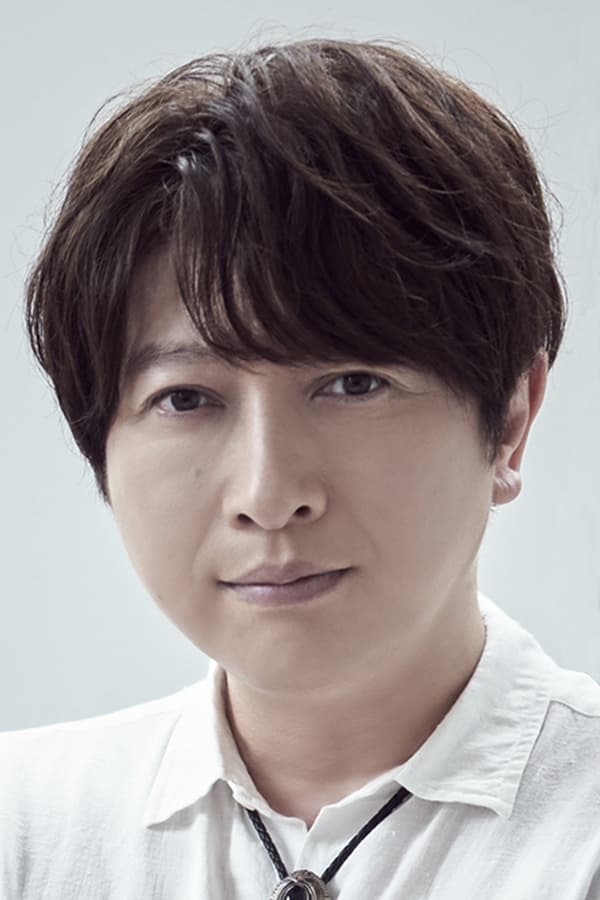
Daisuke Ono
Itsuki Koizumi (voice)

Natsuko Kuwatani
Ryoko Asakura (voice)

Yuki Matsuoka
Tsuruya (voice)

Minoru Shiraishi
Taniguchi (voice)

Megumi Matsumoto
Kunikida (voice)

Sayaka Aoki
Kyon's Sister (voice)
Darren Arronofsky focuses on diverse and heartbreaking stories about the human experience.
Darren Aronofsky’s Caught Stealing is a gritty, darkly funny thrill ride through 1998 New York, with Austin Butler delivering a raw, magnetic turn as Hank Thompson—a washed-up ex-ballplayer turned bartender whose life implodes after cat-sitting for his punk neighbor drags him into a violent underworld of gangsters, crooked cops, and chaos. Brutal yet unexpectedly hilarious, the film blends noir grit with midnight-movie absurdity, proving Aronofsky can reinvent himself while Butler cements his status as a true movie star.
KPop Demon Hunters took social media by storm recently—is it truly as good as people have hyped it up to be?
Honey Don't! is a chaotic queer noir that's part detective story, part midnight movie madness. Margaret Qualley is fantastic as the wise-cracking private eye Honey, with Aubrey Plaza and Chris Evans adding their own dry humor to the mix. The mystery itself is pretty loose, but the film makes up for it with crackling sexual tension, weird side characters, and razor-sharp dialogue. It's messy and uneven, but in the best possible way.
Throughout Brendan Fraser’s career, he has played a plethora of unique, layered characters who explore the importance of not being afraid to display your emotions, something that is often seen to not be a masculine trait. This idea of regulating emotion and what traits men are able to possess creates a toxic atmosphere for men who are often told they should not cry or represent their emotions in any physical way. These characters represent that men can be joyful, emotionally conscious, and sensitive, while also representing their masculine identity instead of painting those qualities as fighting against their masculinity.
‘A Good Person’ makes it clear that forgiveness is hard.