





Knives Out: Sharpest Writing of 2019?
Knives Out doesn’t just defy the whodunit narrative, it uses the weaknesses to its advantage. It’s well aware of the genre’s faults and tropes
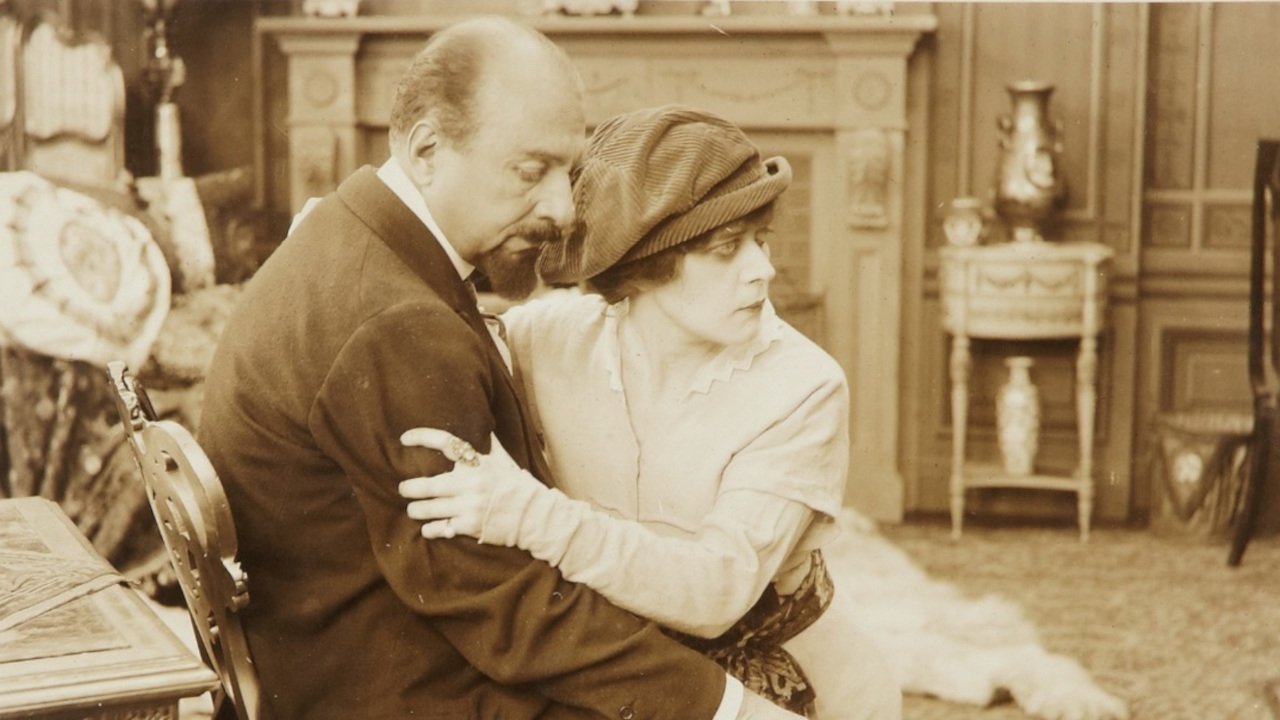
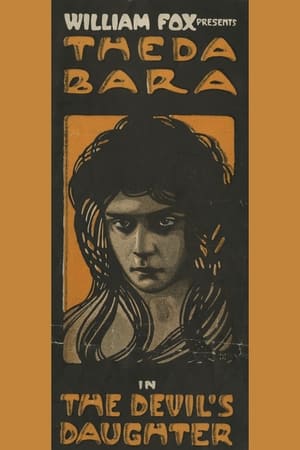


When her lover deserts her, Gioconda Dianti seeks revenge by wrecking the lives of other men. When famous sculptor Lucio Settala meets her and asks her to pose for him, she sets out to ruin him. She captivates the artist with her charms, and he soon forgets his wife Silvia, their daughter Little Beata, and even his work. After Gioconda defies Silvia to take her husband back, Lucio shoots himself in a fit of desperation. Although Silvia nurses him back to health, Lucio soon returns to the enticing Gioconda. When Silvia's subsequent quarrel with Gioconda becomes a fight, Gioconda attempts to destroy Lucio's statue, but it falls on Silvia and is saved. Silvia, however, is crippled for life. Because of this, Lucio's sanity is affected and he becomes a raving maniac. Later, cast aside by her "man of the world," Gioconda also descends into madness. A lost film.
Knives Out doesn’t just defy the whodunit narrative, it uses the weaknesses to its advantage. It’s well aware of the genre’s faults and tropes
Korean pop culture has mastered emotions as both a scientific field and an artistic revolution. Think of how K-Pop and K-Dramas have taken over the world. How? Simply put — they are addictive. How are they addictive?
A film loosely based on the fairy tale Hansel and Gretel, with major twists to the original story.
Korean culture shines in this Canadian export.
In Saudi Arabia, a little girl (Wadjda) is told she can't have a bike because she's a girl. Wadjda struggles to obtain a bicycle to race her friend, Abdullah, due to the gender inequality and cultural norms of Saudi Arabia.
The Flounders are back in this sequel that takes place one year after the events of 'Malibu Rescue'.