



“Pressure” Puts on the Pressure
Pressure is an unambiguously great movie, lead by convincing performances, a well-crafted script, good direction, and at least some social awareness.
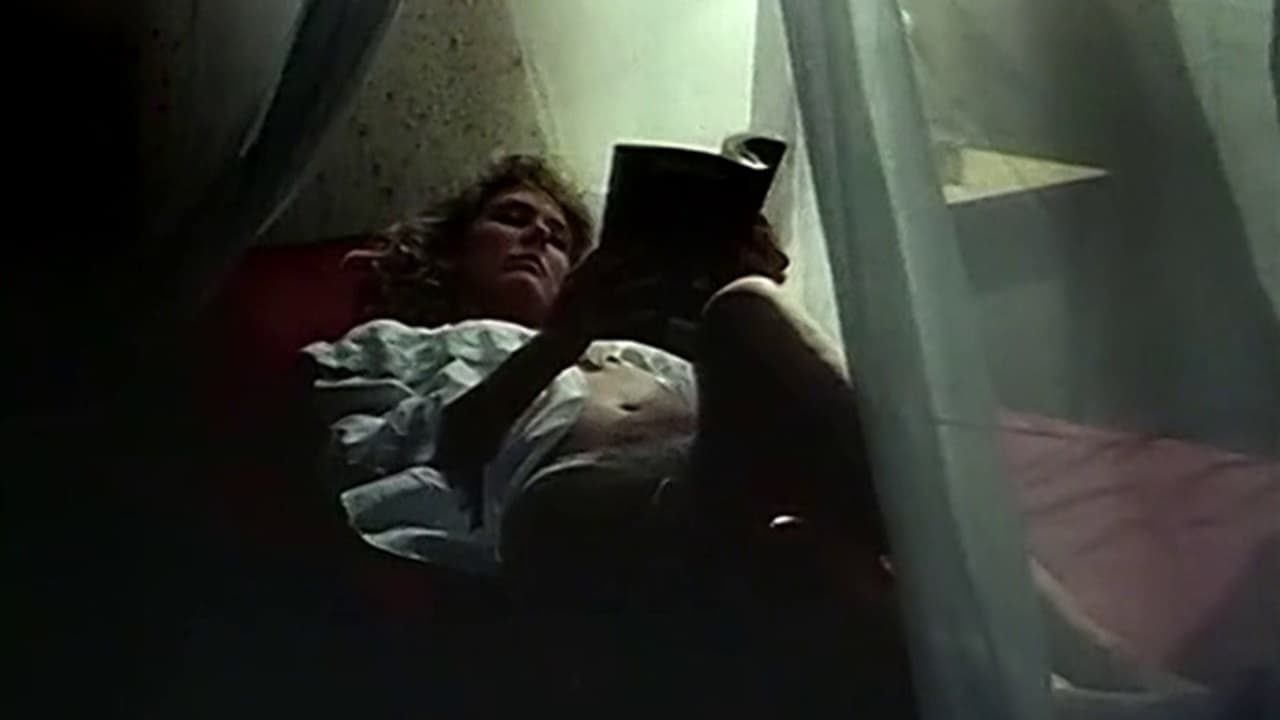
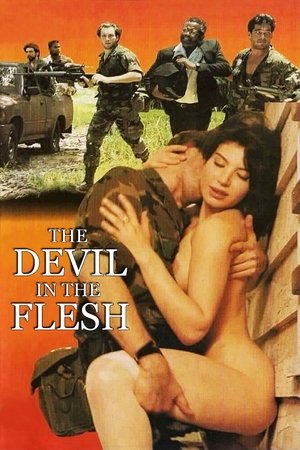


Dough-crazed mercenaries Sammy and Klaus are on a mission to escort the seriously ill prime minister of a South American country that has just been taken over by the rebels to his buddies over the border. Chased by the rebels, and with the politician's health rapidly deteriorating, they stumble onto an infirmary staffed by a quartet of nurses and take them hostage, forcing them to cure the prime minister, and fast. After an initial rape, romantic feelings begin to emerge as Helga has it off with Klaus, Katrin with Sammy, and Sophie with Hellen...until a squadron of rebels drops in.
Pressure is an unambiguously great movie, lead by convincing performances, a well-crafted script, good direction, and at least some social awareness.
Lin-Manuel Miranda’s 'Vivo' is a children's animated musical rich in Hispanic culture! The story follows a kinkajou as he delivers a love song for a friend.
Dramatic Horror!!! Wait, what?? Did you say "dramatic horror"?? IS there such a thing?? I mean, TRULY. Well, if San Francisco-based, Pakistani-born independent filmmaker Dr. Hassan Zee and this film critic have anything to say about it, there IS such a beast as experienced through the director's newest feature film set to officially debut October 4th in the City by the Bay. Folks, indie film will always be a bastion of experimentation and originality, and this film for me fits that bill.
Coralie Fargeat once said that “Being a woman is body horror,” and when you think about the ways we are taught to experience our own bodies, it becomes almost impossible to argue with her.
21 Bridges isn’t going to revolutionize action cinema. However, its action components are respectable. Every act is visibly clear, and as time moves forward, the film changes its conflictual rhythm.
"The Old Guard" doesn't break ground, but it sure does bust boredom and fictional heads as an entertaining action romp on Netflix.