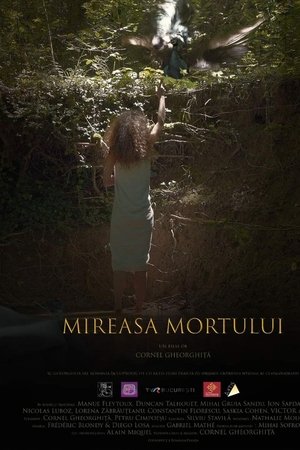
The Deadman's Bride
In the Carpathians mountains, in a remote village, Irina lives with her brother, both orphans. They help their adoptive parents with the household chores. The young woman, born deaf-mute, has only one friend in the village: old Ciorsak, the church bell ringer. As often as she can, Irina retreats in nature, among wild animals that roam through the surrounding forests. In this idilic setting, suspended in time, a french crew arrives to make a documentary film about local traditions and customs, baptism, wedding and funeral. Martin, the cameraman, falls madly in love with Irina, who accepts his love. As the film confronts the beliefs and superstitions of the villagers, their love gradually turns into a macabre ritual.

- / 5
PopScore
Representation
Pictures and Videos

Movie Information
In the Carpathians mountains, in a remote village, Irina lives with her brother, both orphans. They help their adoptive parents with the household chores. The young woman, born deaf-mute, has only one friend in the village: old Ciorsak, the church bell ringer. As often as she can, Irina retreats in nature, among wild animals that roam through the surrounding forests. In this idilic setting, suspended in time, a french crew arrives to make a documentary film about local traditions and customs, baptism, wedding and funeral. Martin, the cameraman, falls madly in love with Irina, who accepts his love. As the film confronts the beliefs and superstitions of the villagers, their love gradually turns into a macabre ritual.
Rating:
Genre:Drama
Written By:Cornel Gheorghiță, Petru Cimpoesu
In Theaters:
Box Office:
Runtime:100 minutes
Studio:SC Gheorghita, Aktis Film Production
Cast





Articles You May Like
The Clades Take a Journey Into a Strange World
The Legendary Clades - a family of explorers - find themselves in a strange new world with fantastic creatures awaiting them. Perhaps their greatest challenge will be healing the ties that bond.
Violation & The Misused Shock-Horror of Sexual Assault
'Jack and Diane' Review: Wasted Potential
The plot could’ve really been interesting if the elements of lycanthropy was integrated with perhaps the struggle of identity of being LGBTQ+. It's an experience for so many that as they’re starting to realizing their true selves, they feel like a monster, especially if they come from unsupportive homes or communities. Instead, the horror and transformation elements seem thrown in without contemplation of how this could deepen the narrative.
Project Hail Mary Didn’t Take Off
With a quirky outline, Project Hail Mary stays within the bounds of human language and imperial fantasy.
Mahavatar Narsimha Movie Review – A New Era for Indian Animation
Mahavatar Narsimha (2025) brings the epic tale of Hiranyakashipu to life with stunning animation, intense action, and a bold retelling of this timeless mythological drama.