

Mitch Downe From "Paranorman" Is Awesome Gay Representation
Gay representation is out there, but to portray a character who's gay as a big, happy brute is a rare treat.
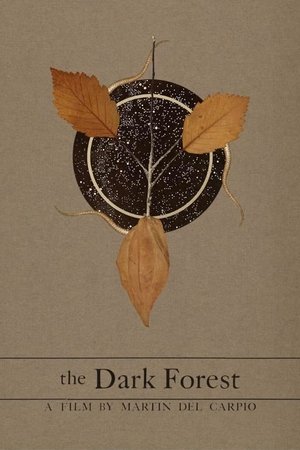


"To honor the memory of his father who passed away in 2019, Martin Del Carpio opts for the medium of film once again, and delivers his most lyrical work to date. At once deeply personal, carefully veiled in a delicate fabric of pure emotions, and absolutely immersive in its dreamlike, mysterious beauty, 'The Dark Forest' transmutes its author's innermost life into an admirable piece of introspective cinema. Opening with Dante Alighieri's quote which inspired the title, it takes the viewer on a short, yet transcendent journey through the bushes of symbols and trees of thoughts, in the company of a lovely (and cunning?) forest spirit embodied by Carly Erin O'Neil whose poise and grace translate as otherworldly." —Nikola Gocic
Gay representation is out there, but to portray a character who's gay as a big, happy brute is a rare treat.
The newest in a long line of Cinderella adaptations, Amazon’s Cinderella (2021) prizes girlbossification above the very story it tries to adapt.
Jennifer Lopez leads the story as Zoe, a determined woman who opts for artificial insemination after a string of failed relationships. Lopez's portrayal adds depth and warmth to Zoe
An aspect of She-Ra that I find refreshing is even though a large portion of the cast is on the LGBTQ+ Spectrum, being gay is never mentioned. While this might initially sound like a negative thing, in the show’s land of Etheria being on the gay spectrum is shown to be so common and normalized that straight isn’t the default. As much as there is to appreciate about narratives revolving around the obstacles that may come from being non-heteronormative, it’s nice to get immersed in a world where no one bats an eye at all to any sort of differing identity.
The social issues The Half of it takes on are handled well, between the antagonization brought on to Ellie for her race and the conflict that arises from her being gay. Both aspects of her character are built up over the course of the film and don’t seem abrupt or rushed. The film shows racism towards Ellie and her and father in varying levels, from having her schoolmates specifically address her as "Chinese girl” to the fore mentioned way her Dad is treated due to language barriers. The same can be said about Ellie being a lesbian. While she never truly “comes out” in the narrative, that does not undermine her journey of self-discovery from being meaningful. These ideas aren’t thrust upon the viewer in a preachy manor, the scenarios that occur feel believable given the rural setting. The film presents watchers with problems whom those like Ellie may face, and leaves us to sit with them and reflect.
This is not a story of oppression but a story of liberation.