

My Father's Dragon is a Legendary Tale
A young boy who runs away from home discovers friendship when he befriends a young dragon in this animated movie.
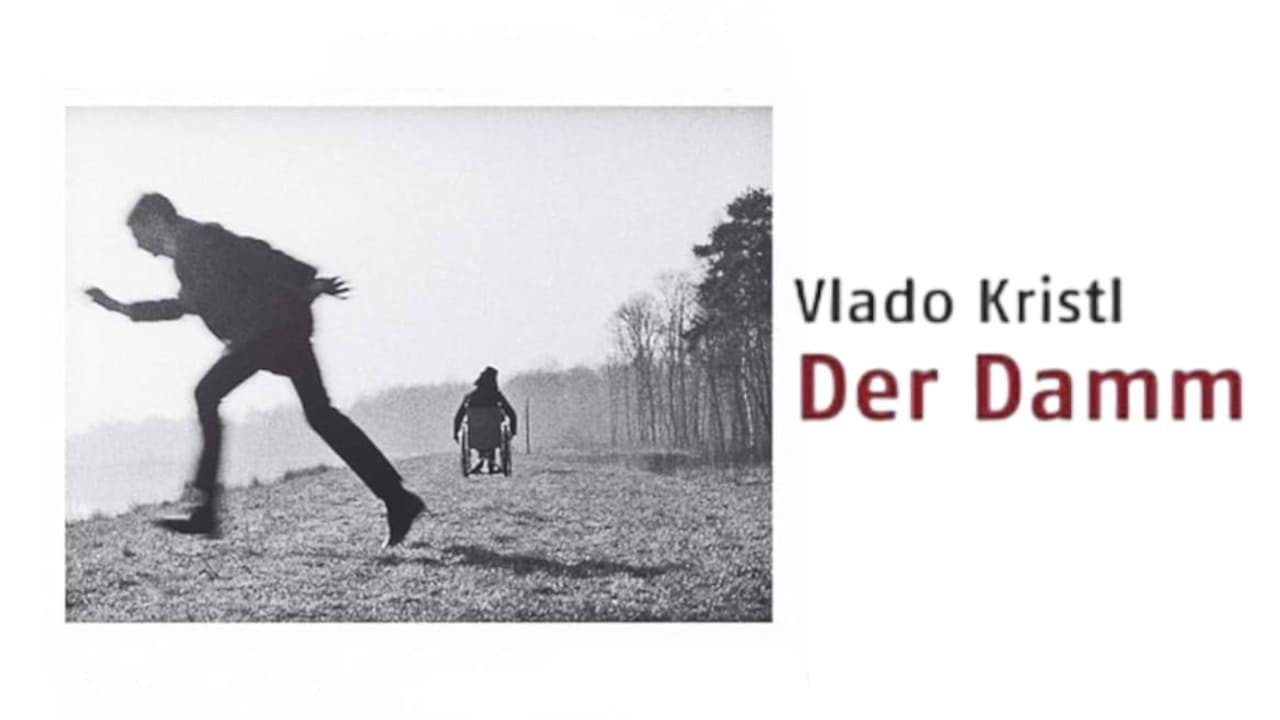


In The Dam, although it is an experimental film, Kristl eschews the necessary earnestness in addressing his subject. The manufactured, unambiguously humorless profundity proffered up by other German contemporaries is absent here. Laughter is allowed. Kristl takes the dreadful liberty of tomfoolery, sending up himself, the characters, the action, "tragedy," and everything else, including the audience, that might be held sacred. Within the framework of the action, we recognize a love triangle, one of the simplest of dramatic configurations. Not only the basic idea, but also numerous particulars, both in subject and style, are reminiscent of the films of Roman Polanski, which Kristl doubtless saw and holds in esteem. We meet two men: one is meant to embody the outsider, the artistic, intellectual, individualist. The other looks like the embodiment of the well-to-do man, the burgher, the functionary, the capitalist. The two battle for the favor of an indecisive and domineering girl.
A young boy who runs away from home discovers friendship when he befriends a young dragon in this animated movie.
'Ganja & Hess' is a 1973 experimental horror film, written and directed by the visionary auteur Bill Gunn. It was meant to be a straightforward blaxploitation film – but director Gunn had grander ambitions.
This coming-of-age Mexican movie is about a group of school children who fulfill their dreams.
Apparently, nothing's ever enough. It has its flaws, but does that warrant the amount of criticism 'Barbie' is subject to?
A young girl who is determined to sail the ocean within 210 days at sea brings an adventurous story for viewers.