






Incluvie – Better diversity in movies.
Identity in film with Incluvie stamps, scores, reviews.

Incluvie – Better diversity in movies.
Explore identity in film with Incluvie stamps, scores, reviews, and insights.

trailer banner
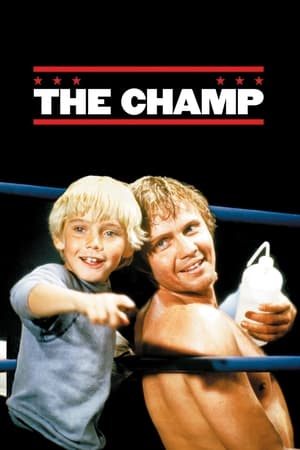
The Champ poster

The Champ (1979)

Billy used to be a great boxer, but he's settled into a hardscrabble life that revolves around drinking, training horses, and the one bright spot in his existence — his young son, T.J. Although Billy has had custody of T.J. since his wife, Annie, left the family years ago, her return prompts a new struggle for the former fighter. Determined to hold on to his son, Billy gets back into the ring to try and recapture his past success.
- / 5
PopScore
Representation

Pictures and Videos


Incluvie Gala

Movie Information


Billy used to be a great boxer, but he's settled into a hardscrabble life that revolves around drinking, training horses, and the one bright spot in his existence — his young son, T.J. Although Billy has had custody of T.J. since his wife, Annie, left the family years ago, her return prompts a new struggle for the former fighter. Determined to hold on to his son, Billy gets back into the ring to try and recapture his past success.

Rating:
Genre:Drama
Directed By:Franco Zeffirelli
Written By:Walter Newman
In Theaters:7/10/1979
Box Office:$30,441,738
Runtime:121 minutes
Studio:Metro-Goldwyn-Mayer, Hialeah Park Studios

Articles You May Like


'The Half of it' Handles its Presented Social Issues Thoughtfully

The social issues The Half of it takes on are handled well, between the antagonization brought on to Ellie for her race and the conflict that arises from her being gay. Both aspects of her character are built up over the course of the film and don’t seem abrupt or rushed. The film shows racism towards Ellie and her and father in varying levels, from having her schoolmates specifically address her as "Chinese girl” to the fore mentioned way her Dad is treated due to language barriers. The same can be said about Ellie being a lesbian. While she never truly “comes out” in the narrative, that does not undermine her journey of self-discovery from being meaningful. These ideas aren’t thrust upon the viewer in a preachy manor, the scenarios that occur feel believable given the rural setting. The film presents watchers with problems whom those like Ellie may face, and leaves us to sit with them and reflect.

Andrea Amoroso