







Hitchcock's Subtextual Coding in 'Rope'
Hitchcock is no stranger to innuendo, as was common in that era, but there was something so sophisticated about his approach to 'Rope', and it starts in the first frame.

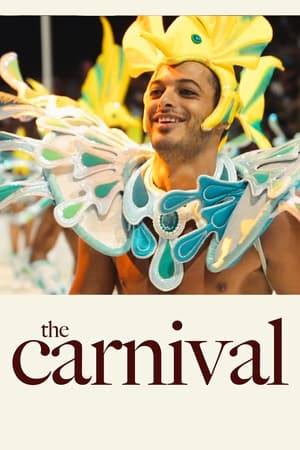
Since they were children, every summer they used to participate together in the traditional carnivals of their hometown. This magical celebration, transform men of the community into dionysiac figures with makeup, coloured costumes, glitter and feathers. Alcohol, friendship and parties out of control become the limelight. Boundaries get blurred with the heat of the sun at the edge of the imposing Paraná River.
Hitchcock is no stranger to innuendo, as was common in that era, but there was something so sophisticated about his approach to 'Rope', and it starts in the first frame.
A lonely little Hawaiian girl and her mischievous blue alien friend form a bond that heals both of their hearts, as well as ours. This live action version adds emotional nuances—notably in the sisters’ dynamic—while preserving the charm of the original.
The justice system in the United States of America is supposed to operate as you are deemed innocent until proven guilty. But "When They See Us" shows what happens for Black people is they are deemed guilty until proven innocent.
A gentle coming of age story, Water Lilies takes its time in exploring what it’s like to be a young girl trying to make sense of her sexuality in a heteronormative world.
Four documentaries, now streaming on the Criterion Channel, embody the adopted slogan of the current protest movement: Woman, Life, Freedom
The “gay best friend”, an age-old trope, has been done in countless films and television series. Ranging from one-note (Sex and the City's Stanford and Mario) to nuanced (Unbreakable Kimmy Schmidt's Tituss), the gay best friend exists to support and advise the main protagonist, with their conflicts swept to the side.