



Incluvie – Better diversity in movies.
Identity in film with Incluvie stamps, scores, reviews.

Incluvie – Better diversity in movies.
Explore identity in film with Incluvie stamps, scores, reviews, and insights.

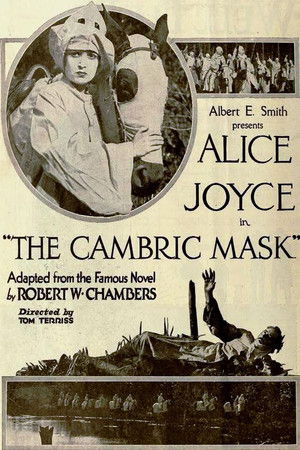
The Cambric Mask poster

The Cambric Mask (1919)

John Sark is the owner of a piece of land coveted by Henry Murden, leader of the band of "White Riders," who has purloined the information that a railroad wishes to buy the property. Sark is a naturalist and has for an assistant Rose Ember. He discovers one of the rider's masks which is made of one of Rose's handkerchiefs, and this introduces a mysterious element into the love affair. The mask belonged to her father. The riders try to force Sark's hand, but are obliged to capture him. Rose, seeing Sark lead away, dons a mask and riding close to his horse, cuts his bonds. Sark kills Murden, and, finding that his savior was Rose, is once more happy in his love.
- / 5
PopScore
Representation

Pictures and Videos


Incluvie Gala

Movie Information


John Sark is the owner of a piece of land coveted by Henry Murden, leader of the band of "White Riders," who has purloined the information that a railroad wishes to buy the property. Sark is a naturalist and has for an assistant Rose Ember. He discovers one of the rider's masks which is made of one of Rose's handkerchiefs, and this introduces a mysterious element into the love affair. The mask belonged to her father. The riders try to force Sark's hand, but are obliged to capture him. Rose, seeing Sark lead away, dons a mask and riding close to his horse, cuts his bonds. Sark kills Murden, and, finding that his savior was Rose, is once more happy in his love.

Rating:
Genre:Drama
Directed By:Tom Terriss
Written By:Robert W. Chambers, Eugene Mullin, Tom Terriss, F.R. Buckley
In Theaters:4/7/1919
Box Office:

Runtime:50 minutes
Studio:Vitagraph Company of America

Articles You May Like


"The Roses" (2025) Film Review-Marital dysfunction offers plenty of hubris AND humor this time around

Remakes. Reboots. Reinventions. Redundancy. It's the common practice in Hollywood of late, sometimes offering us victorious reimagining of what can be considered cinematic classics while also, more often, falling flat on their UN-imaginative faces in utter defeat and lackluster results. Admittedly, with this in mind, I went into the newest incarnation of "The War of the Roses" with typical trepidation and cautious optimism.

Kirk Fernwood