'Meander': A Film About Mental Health With a Touch of Gore
Meander, released in 2021, is a French gory horror film featuring a woman trapped in small spaces as she fights for her life, paralleling real pandemic life.



Thomas Alva Edison died on October, 1931, but not before completing his greatest invention; a device for talking to the dead. Thought to be lost forever, Megan Goss, a gifted engineering student, tracks down the legendary blueprints. She rallies a group of friends to build it in a dilapidated house. What she doesn't tell the others is that this house has a history steeped in blood. A family brutally killed one another within its walls, and now that evil force lies in wait for someone to breach the tenuous membrane between worlds. Four students will learn some things are better left unknown when the flip of a switch frees a terror that forces them to the brink... and beyond.

Benjamin Cooper
Director
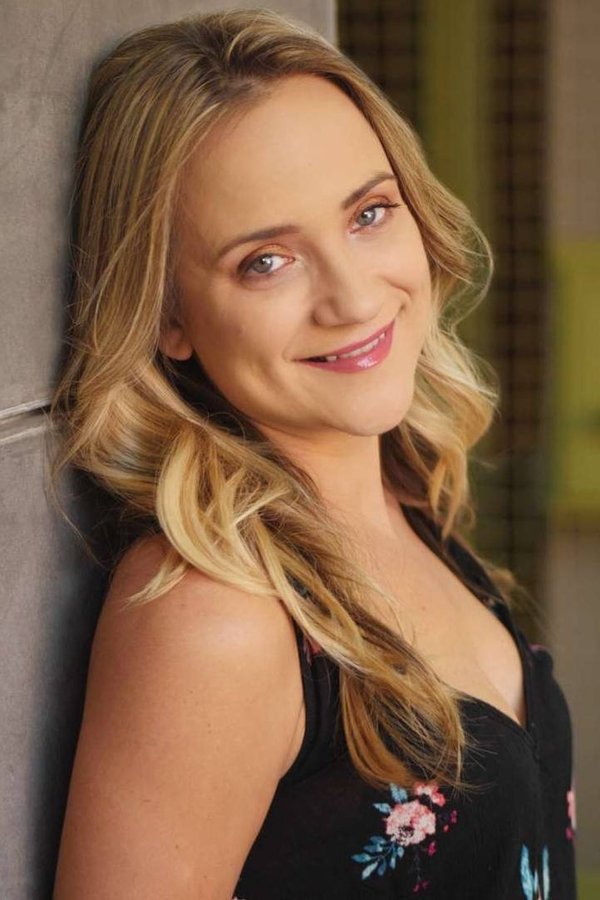
Rachel Riley
Megan Goss (as Rachel Balzer)
Jeff Ryan
Leo Calloway

Heather Ashley Chase
Bianca Palmer
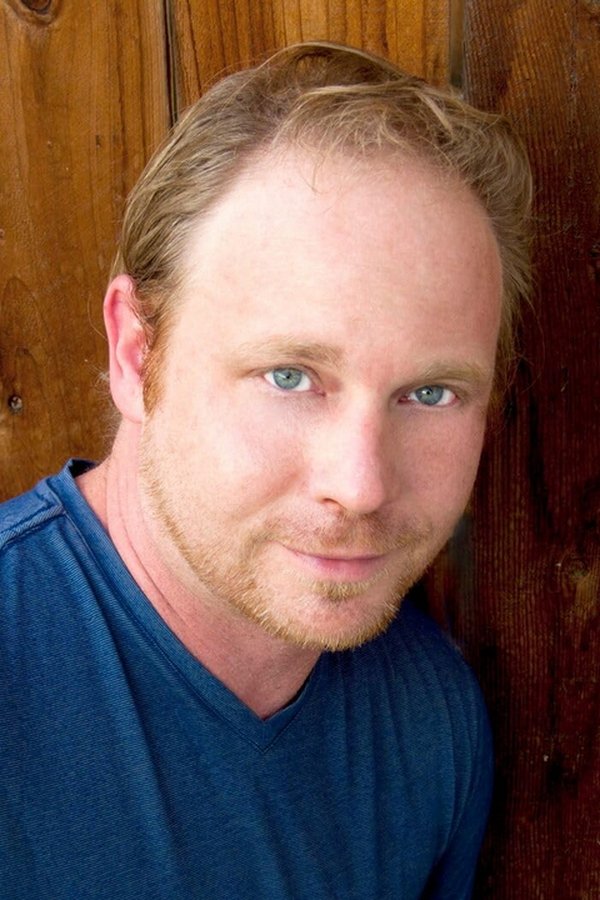
Jason Flowers
Todd Mooney
Catherine Barlow
Woman
Mitch Toles
Dunninger
Kevin Robb
Ghost Boy
Monty Wall
Edison
Michelle Aragon
Waitress (as Michelle Aragon)
Joan Robb
Diner Patron
Owen Woertink
Baby Megan
Meander, released in 2021, is a French gory horror film featuring a woman trapped in small spaces as she fights for her life, paralleling real pandemic life.
A wholesome love story that's perfect for fans of romance movies and animal lovers.
What can I say about this Will Ferrell/Julia Louis-Dreyfus-led “dramedy?” Well, the comedy part of Downhill is completely non-existent. And I should have known that the film was a flop when I walked into an empty theater at a prime time on a Friday night.
‘Run Sweetheart Run’ has everything women fear the most, from psycho boyfriends to tampons.
Red, White and Royal Blue still does not have an official release date. However, the cast has been sharing pictures of their filming.
'Zero Refills' highlights the despicable treatment of the less fortunate by healthcare providers and big pharmaceuticals.