

The Wonder Years (2021 TV series)
This reboot of The Wonder Years is told from the lens of a Black man.
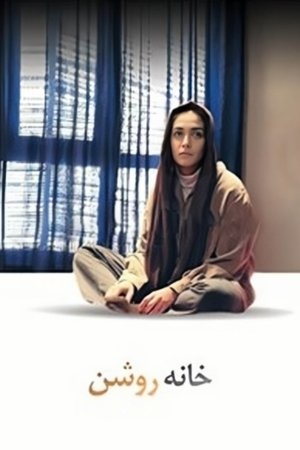


Sohrab returns to Iran after years abroad. Despite all the psychological pressures of his homecoming, he stays in a house in which he finds a young girl living in the shadows. After the death of her father and a failed romance, the girl (Arghavan) now lives with her mother. She has contracted a disease, which can only be cured by darkness and silence. When Sohrab sees her, she tries to bring her back to life. He sets out to film the daily lives of people but only in activities that inspire hope. It proves to be a difficult mission. Each filmed person faces the camera and asks her to come into the light, but Arghavan remains mired in her pain. She asks Sohrab to go film her hometown in western Iran where she last saw her father. There, he confides in her, facing the camera as he makes a confession.
This reboot of The Wonder Years is told from the lens of a Black man.
'The Worst Person In The World' follows a part of life I don't see often portrayed on-screen: extended adolescence.
Amid the ongoing debate surrounding Christa Pike’s death sentence, watching East of Eden, which shows that women can be monstrous too, is definitely refreshing.
The re-living of this historic trial through this film is relevant to current politics and disturbingly enjoyable to watch due to the excellent performances from the ensemble cast. If you like a juicy courtroom drama, this film will definitely scratch that itch in a really chilling manner.
Wild Child tells the story of a wealthy, spoiled teenage girl named Poppy Moore who lives in Malibu, California, who attends a boarding school in England. This film shows us how Poppy is first labeled as a fish out of water compared to her boarding school classmates, as she is a wild child, but eventually earns her roommates' friendships and respect.
Throughout Brendan Fraser’s career, he has played a plethora of unique, layered characters who explore the importance of not being afraid to display your emotions, something that is often seen to not be a masculine trait. This idea of regulating emotion and what traits men are able to possess creates a toxic atmosphere for men who are often told they should not cry or represent their emotions in any physical way. These characters represent that men can be joyful, emotionally conscious, and sensitive, while also representing their masculine identity instead of painting those qualities as fighting against their masculinity.