'The Killer,' Sponsored by...
David Fincher is back in his playpen, with a dark and chilling thriller.

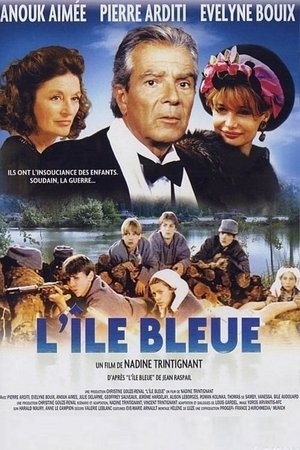


France, 1940. German troops have just invaded the country, but in the rural idyll of the family chateau inhabited by 20-year-old Mellie with her impoverished aristocrat father Alexandre and adolescent cousin Robinson, the war still seems far away, apart from the fact that Mellie's rich and unpopular fiancé André has been drafted into the army. For Robinson and his friends the same age, including the temperamental Bertrand, the war is merely a game they play in the remoteness of the blue island in the lake.

Nadine Trintignant
Director


Pierre Arditi
Alexandre, Mellie's father
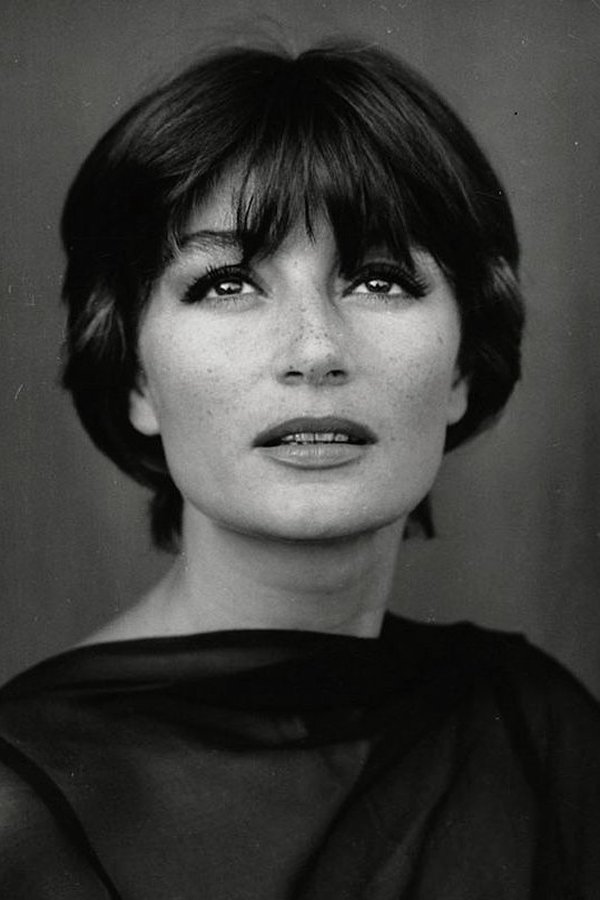
Anouk Aimée
Eugénie, André's mother
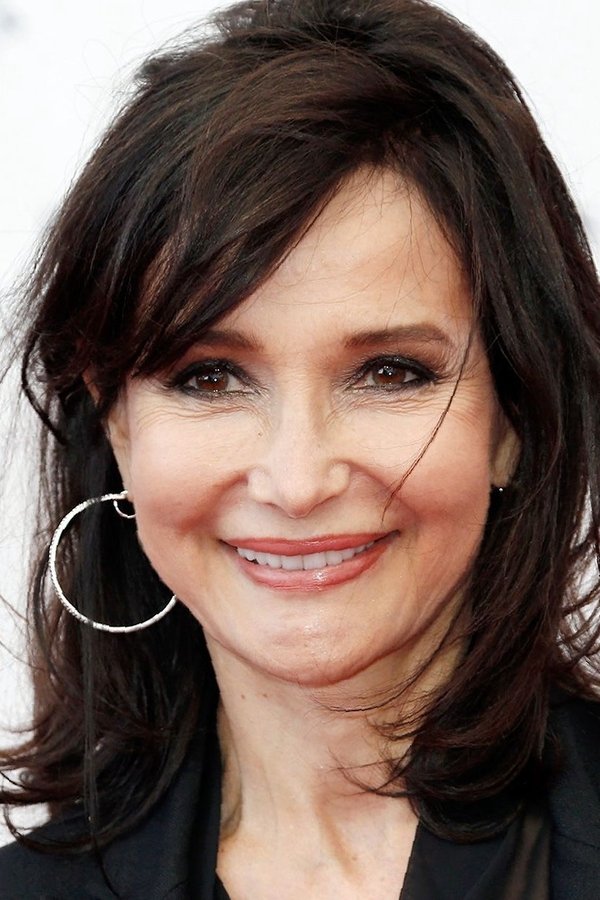
Évelyne Bouix
Lily
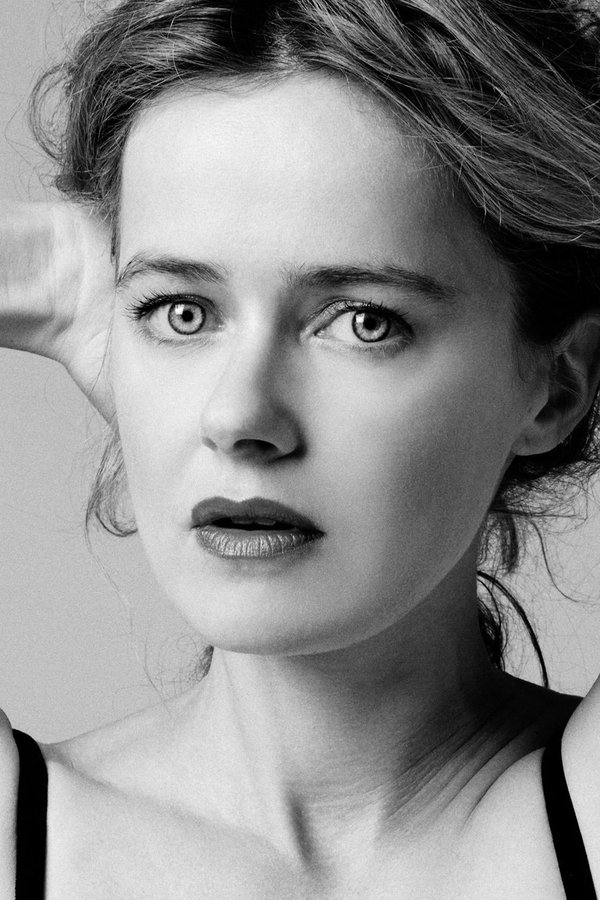
Julie Delarme
Mellie
Jérôme Hardelay
Robinson, Mellie's cousin

Geoffrey Sauveaux
Bertrand, Robinson's friend
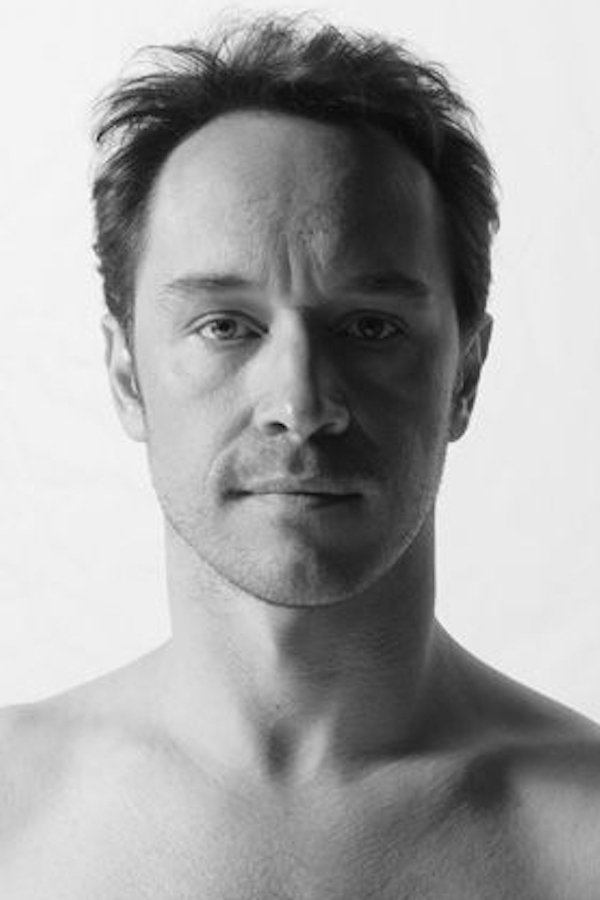
Manuel Blanc
André, Mellie's fiancé

Clovis Cornillac
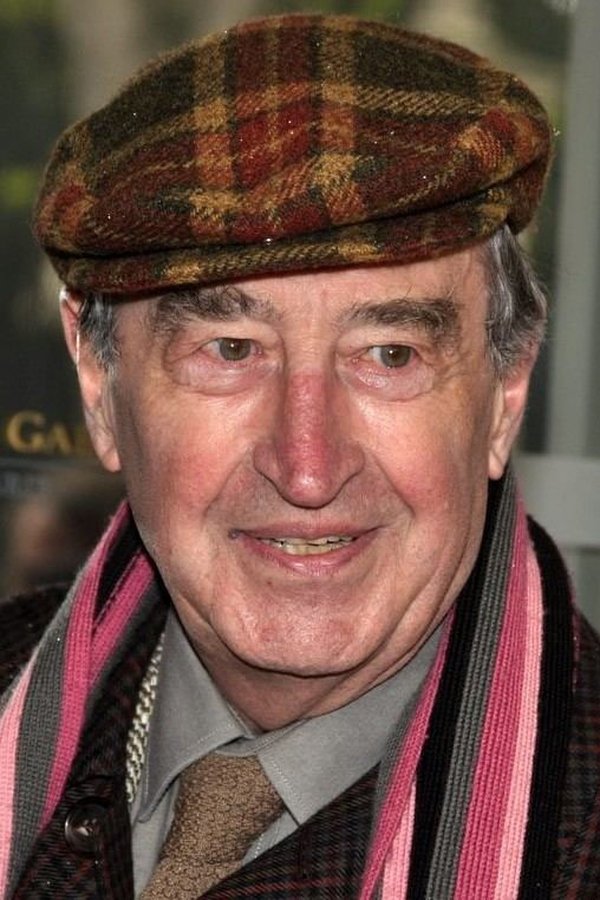
Pierre Vernier
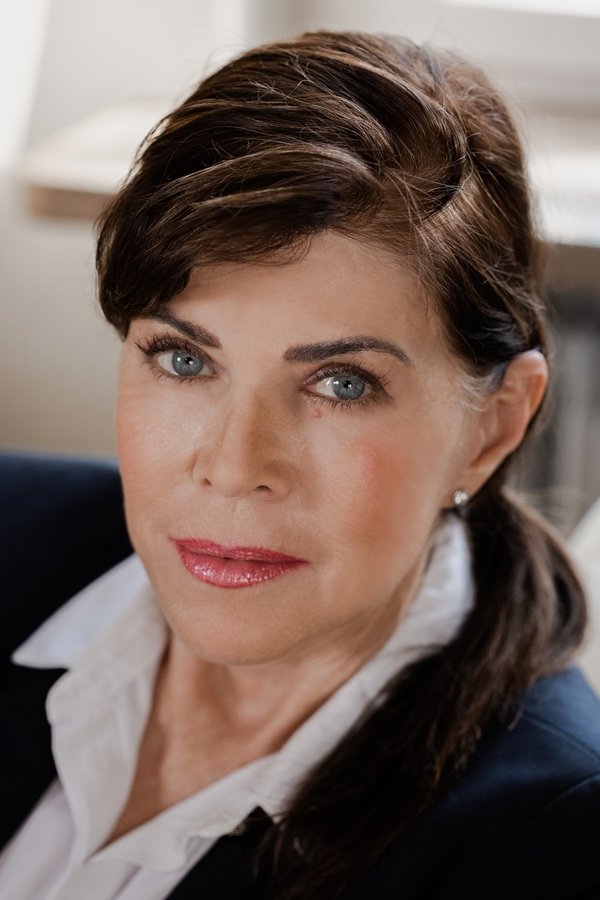
Anja Kruse
Germaine
Alka Balbir
David Fincher is back in his playpen, with a dark and chilling thriller.
Jennifer Lopez leads the story as Zoe, a determined woman who opts for artificial insemination after a string of failed relationships. Lopez's portrayal adds depth and warmth to Zoe
Throughout Brendan Fraser’s career, he has played a plethora of unique, layered characters who explore the importance of not being afraid to display your emotions, something that is often seen to not be a masculine trait. This idea of regulating emotion and what traits men are able to possess creates a toxic atmosphere for men who are often told they should not cry or represent their emotions in any physical way. These characters represent that men can be joyful, emotionally conscious, and sensitive, while also representing their masculine identity instead of painting those qualities as fighting against their masculinity.
Crazy Rich Asians. The title is tacky, but the actual movie is both heartwarming and cosmopolitan. After all, it takes place in Singapore!
Episode 3, entitled “Now in Color,” brings us to the 1970s — a decade full of vibrancy, color, and total mayhem.