






"Opus" Is Fun But Doesn't Know Its Own Motivation
Mark Anthony Green was unable to connect all of the pieces in his debut feature film, leaving Opus as a middling entry in an already oversaturated genre.
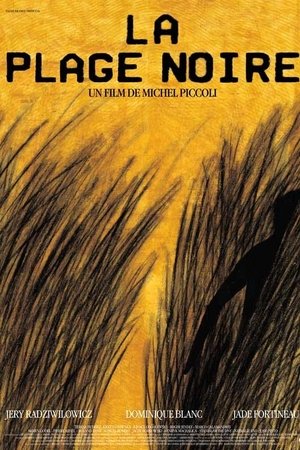


An exhausted militant wants to take a break from the incessant frenzy surrounding him. His country’s dictatorship is on its last legs and chaos reigns. His wife Sylvie leaves their country for France. She writes about the new democracy struggling to be born back home. His daughter Joyce must hide out in the deserted childhood home in the solitude and infinity of the Black Beach. Several adversaries – the militia of a hazy regime in his native land and the Paris police – wage a strange game of chess in which he is the pawn. Threats abound and he’s haunted by his past, his fears, dead friends. He has three allies: his wife, his daughter, and an old girlfriend from his fighting days.
Mark Anthony Green was unable to connect all of the pieces in his debut feature film, leaving Opus as a middling entry in an already oversaturated genre.
The major flaw of the series is that it’s hosted on Netflix and barely makes malicious comments about it despite being focused on the lives of people directly affected by the Capitalist mentality of the OTT corporation.
A consumed-by-rage woman travels from universe to universe to avenge the death of her daughter by brutally killing her murderer over and over again. And that's all that she does.
Lin-Manuel Miranda's Tony-winning musical translates beautifully to the screen.
The live-action remake brings adventure and shows viewers why representation is important in a Disney Princess movie.
When a powerful church leader is found dead, Benoit Blanc enters a tight-knit community where everyone has secrets, but not everyone is fully developed.