



“The Whiteboard”: A Little to No Dialogue Film With Characters that tell an Endearing LGBTQ Story.
Kat Wahlen’s The Whiteboard tells, or rather shows, a delightful love story between two young women who meet in detention.
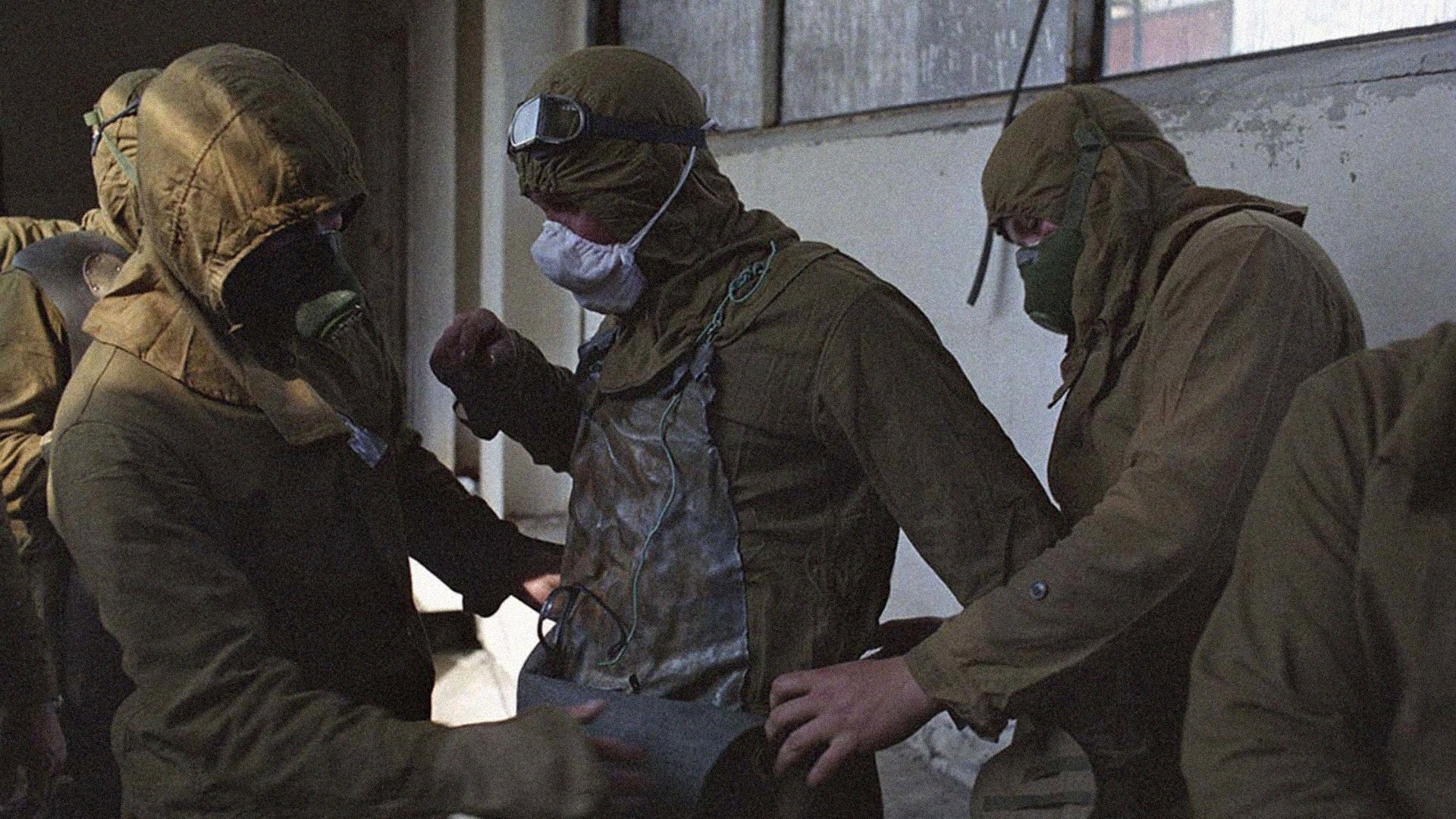



On April 26, 1986, a 1,000 feet high flame rises into the sky of the Ukraine. The fourth reactor of the Chernobyl nuclear power plant just exploded. A battle begins in which 500,000 men are engaged throughout the Soviet Union to "liquidate" the radioactivity, build the "sarcophagus" of the damaged reactor and save the world from a second explosion that would have destroyed half of Europe. Become a reference film, this documentary combines testimonials and unseen footage, tells for the first time the Battle of Chernobyl.
Kat Wahlen’s The Whiteboard tells, or rather shows, a delightful love story between two young women who meet in detention.
In order to learn why an arguably outdated fanfic trope was resurfacing in the contact zone of popular culture, I dove into a vibrant trough of character development.
One of THE most frustrating trends in the mainstream film industry over the last several decades has been the onset of comedy efforts that seem SO focused on being crude and/or gross-out in all ways possible. That, at least for me, makes them no longer funny.
Madres takes place in the 70’s following a Hispanic married couple who move to a migrant farming community. Diana, who is pregnant, starts to become suspicious of their new environment after she and the women around her develop strange symptoms. Could it be a curse, a sickness, or something else?
While it is more than established that Halston’s life is far from a fairytale, the narrative suffers as a result of the decision to revolve more around sex and drugs than his artistry, it likely does a disservice to his cultural impact by pulling focus from his achievements.
The concept of male fragility is explored (interestingly, by a male director) in The Sun Never Sets