



Reflecting on 'The United States vs. Billie Holiday'
Lee Daniels’s Billie Holiday biopic The United States vs. Billie Holiday was released on February 26th, 2021, and my immediate reaction to it was one of discomfort.

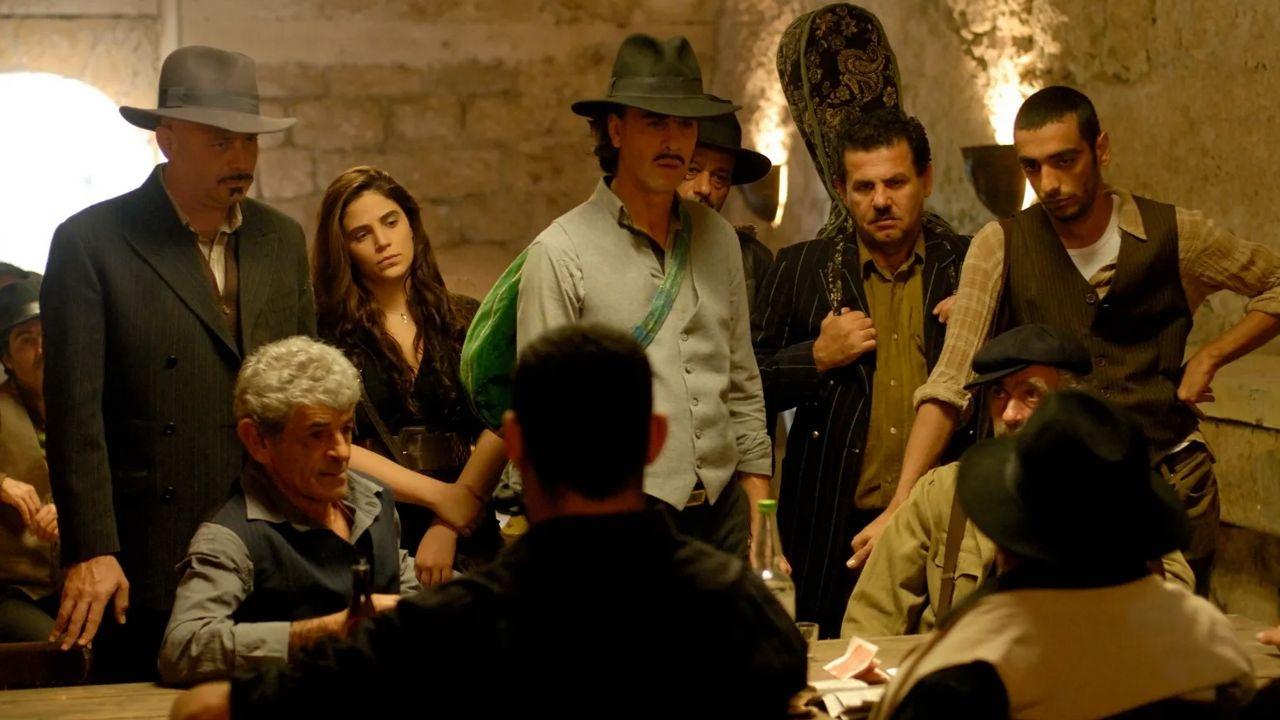
A beautiful drama about love, friendship and the power of art to transform. Seeking redemption for a mysterious past and a dark secret, musician Yosef Tawila is on a quest to gather the members of his troupe, which disbanded for twenty years.
Lee Daniels’s Billie Holiday biopic The United States vs. Billie Holiday was released on February 26th, 2021, and my immediate reaction to it was one of discomfort.
A young woman finds herself trapped in a crossfire of awkwardness during a nightmarish dinner party with her boyfriend's dysfunctional family.
I was able to sit down and talk with the director of the short film Dog Lover Anne-Sophie Bine as she discussed and how she came to be in film.
If a movie about a strange and crazy day is commercially successful, why not recycle it and double the kookiness quotient? That seems to be the logic behind this followup to Freaky Friday.
The social issues The Half of it takes on are handled well, between the antagonization brought on to Ellie for her race and the conflict that arises from her being gay. Both aspects of her character are built up over the course of the film and don’t seem abrupt or rushed. The film shows racism towards Ellie and her and father in varying levels, from having her schoolmates specifically address her as "Chinese girl” to the fore mentioned way her Dad is treated due to language barriers. The same can be said about Ellie being a lesbian. While she never truly “comes out” in the narrative, that does not undermine her journey of self-discovery from being meaningful. These ideas aren’t thrust upon the viewer in a preachy manor, the scenarios that occur feel believable given the rural setting. The film presents watchers with problems whom those like Ellie may face, and leaves us to sit with them and reflect.
Director Martin Scorsese broadens his boundaries from mafia-driven movies, to a Buddhist biopic of the 14th Dalai Lama. While Buddhism strives for peace, ‘Kundun’ reveals the violence inflicted on Tibetan Buddhists and Scorsese’s depiction of violence does not stray away.