
Marvel's Eternals: Why It Was a Good Idea... But The Execution Was Not.
Eternals is an interesting concept and unique visuals, but slow pacing and rushed character development suggests it should have been a mini-series.
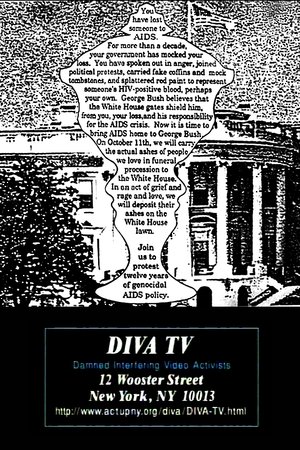


AIDS Community Television weekly series, originally telecast September 16, 1996. Sunday October 11, 1992 Bring your grief and rage about AIDS to a Political Funeral in Washington DC. You have lost someone to AIDS. For more than a decade, your government has mocked your loss. You have spoken out in anger, joined political protests, carried fake coffins and mock tombstones, and splattered red paint to represent someone's HIV-positive blood, perhaps your own. George Bush believes that the White House gates shield him, from you, your loss, and his responsibility for the AIDS crisis. Now it is time to bring AIDS home to George Bush. On October 11th, we will carry the actual ashes of people we love in funeral procession to the White House. In an act of grief and rage and love, we will deposit their ashes on the White House lawn. Join us to protest twelve years of genocidal AIDS policy.
Eternals is an interesting concept and unique visuals, but slow pacing and rushed character development suggests it should have been a mini-series.
Sorry to Bother You ultimately speaks to the unfair advantages that the country’s power structures award to those with the resources to control others, as Lift’s easy access to the media allows his opinion to be the only one that matters in the eyes of the unsuspecting and easily impressed public. Moreover, it reveals the extent to which the American Dream has any true validity. It postulates how the promise of success and fulfillment as promoted by the American Dream more often than not leads to the undoing of the individual. Interestingly, in its revealing of the American Dream as merely a facade, Sorry to Bother You wisely questions whether or not anything can really be done to undo a system that has been accepted and in action for centuries.
Typically in film, characters suffering from mental illness are used as plot devices or exaggerated for comedy. 'The House that Jack Built's representation exceeds in accuracy and realism of OCD.
At 2:17 a.m., every child in a third-grade class wakes up, leaves their home, and disappears into the darkness—except one. The next day, teacher Justine Gandy discovers that Alex Lily is the only student left, while the rest have vanished without a trace. Did Justine have something to do with it, or is a far more sinister force stalking the town, targeting not just children, but anyone in its path?
'The Invisible Man' triumphs in tension even as it drops the ball on genuine surprise for the audience.
Dead Poets Society relies on patriarchal tropes such as overbearing fathers, contrived brotherhood, and faux-individuality in order to portray its straight white male characters as oppressed.