A Diwali Dilemma: A Direct Inner Conversation about Minority Struggles
Mala tripped over in a company Diwali party, which led to unexpected visits and realizations.



The death of their exceptional father shakes the Shatmanov family to its core, forcing them to reflect on the past and future. Erkin, who has built a life in Moscow, faces criticism from relatives who see him as having betrayed his roots. Yet his love and work keep him tied to the city. This film delves into the inner struggles of a modern man torn between duty and belonging.

Gennadiy Bazarov
Director


Baken Kydykeyeva
Asylkan, Erkin's mother

Bolot Beyshenaliev
Erkin

Svetlana Danilchenko
Sasha
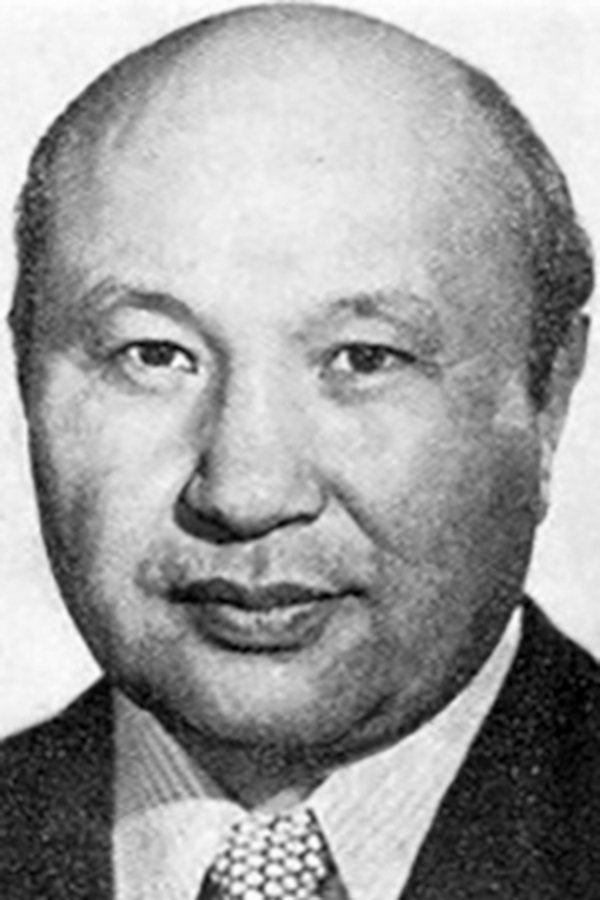
Sovetbek Dzhumadylov
Sarymsak, uncle
Maria Kurmanalieva
Zuura
Gulmira Kongurbaeva
Anara
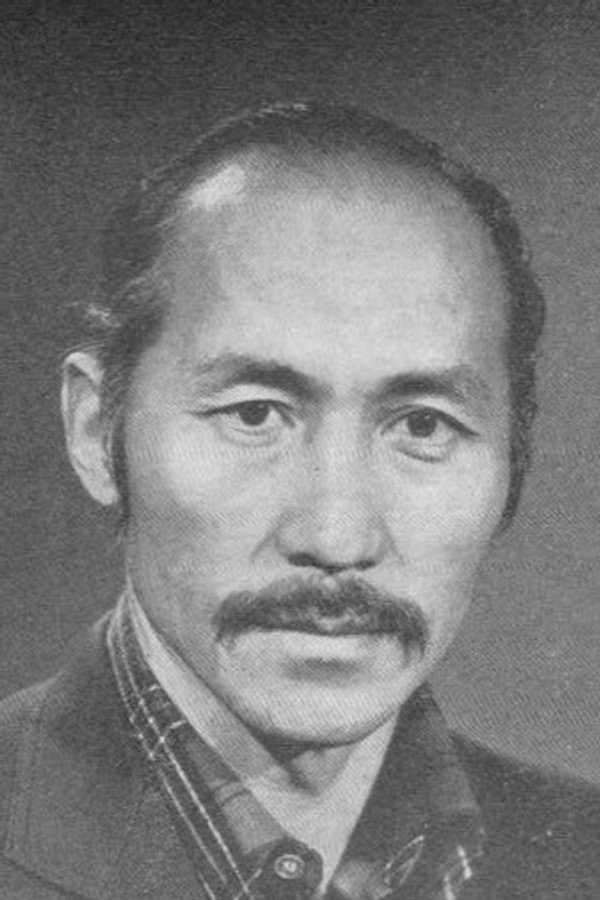
Suimenkul Chokmorov
Erkin's father
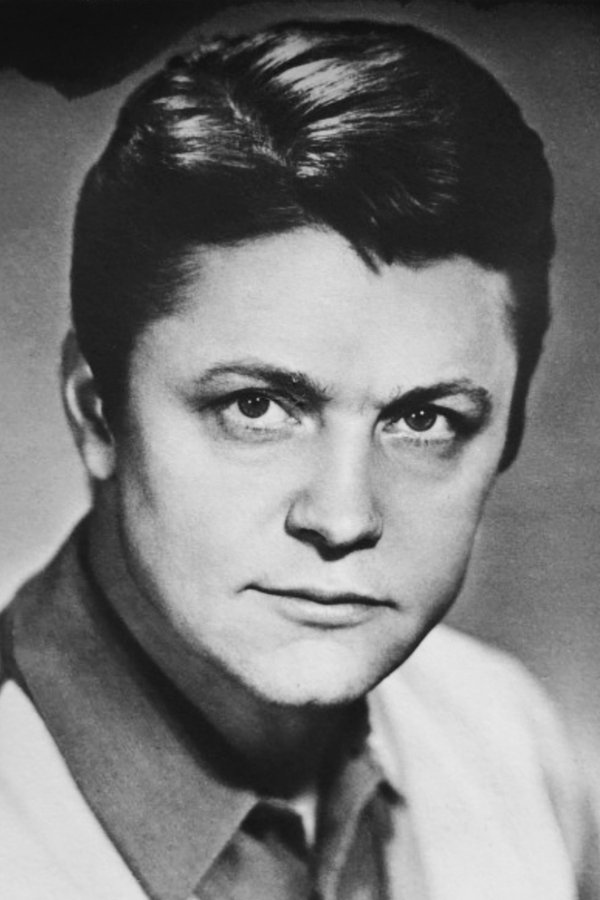
Roman Khomyatov
Glebov
Zheenbek Mukambetov

Orozbek Kutmanaliev
Tayak
Baki Omurkulov
shepherd
Mala tripped over in a company Diwali party, which led to unexpected visits and realizations.
In Spike Lee’s She’s Gotta Have It (1986), we follow the love life of powerful female protagonist Nola Darling (Tracy Camilla Johns) and explore the relationship dynamics she has with her partners. She sees three men simultaneously: Greer Childs, (John Canada Terrell) Mars Blackmon (Spike Lee), and Jamie Overstreet (Tommy Redmond Hicks). Though an 80’s film, She’s Gotta Have It is surprisingly progressive with its themes of female sexuality, although at some points in the film it is handled clumsily. Overall Nola is an incredibly compelling character especially for modern women, as we as a society acknowledge female sensuality more and more without the negative stigma.
For a young girl who wishes to keep her current traditions, this holiday will end up with a surprise twist.
Have a Good Trip offers a rather balanced look at psychedelic use. While its main narrative is the stories of recreational use by celebrities, it does delve into the medical history of psychedelics and its use in psychotherapy.
Wild Child tells the story of a wealthy, spoiled teenage girl named Poppy Moore who lives in Malibu, California, who attends a boarding school in England. This film shows us how Poppy is first labeled as a fish out of water compared to her boarding school classmates, as she is a wild child, but eventually earns her roommates' friendships and respect.
'The Invisible Man' triumphs in tension even as it drops the ball on genuine surprise for the audience.