

Once Upon a Time in (White) Hollywood
Tarantino's alternative history of the 1960's uncritically repeats the era's sexist and racist stereotypes.
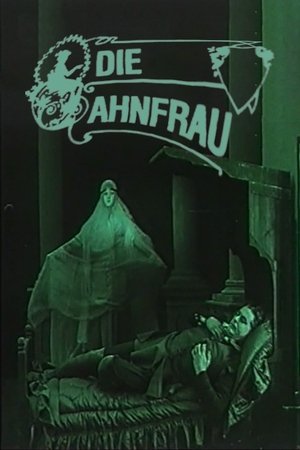


The long dead ancestress of a noble family returns to haunt her last two remaining descendants. She can not rest until the entire family line has passed away. When she reappears, the household knows it is an ill omen. The patriarch of the family is old, and without a son. He is eager for his daughter to marry. She has her eye on a handsome young nobleman named Jaromir, but he isn't quite who he appears to be. This may be the opportunity the restless spirit has been waiting for for so long...
Tarantino's alternative history of the 1960's uncritically repeats the era's sexist and racist stereotypes.
Deborah (Jean Smart) and Ava (Hannah Einbinder) are a delight to watch evolve, sometimes devolve, then evolve again.
A throwback to the last months of the 20th century in this comedy film.
The Outer Senshi get characterization and some stellar moments in the second part of the Eternal movie duo.
For anyone who is not a cis white woman, a justice-fueled murderous rampage is not framed as liberation. Instead, they contribute to harsh stereotypes that vilify minority women with dangerous consequences.
Chickenhare and the Hamster of Darkness explores true identity through exploration.