

“Bury Your Gays” Trope in TV and How “Wynonna Earp” Defies it
I think that the happiness and survival of "Wynonna Earp"’s LGBTQ+ characters is incredibly refreshing in contrast to the prevalence of queer suffering and death in other television.
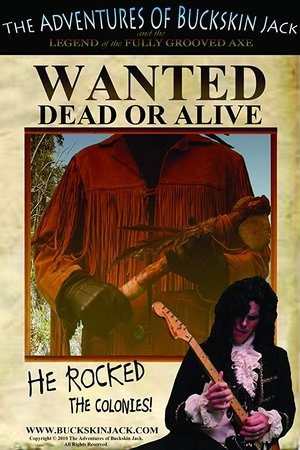


When a father unwittingly marries his daughter off to an infamous renegade named Buckskin Jack, the musical comedy begins. No one would ever suspect that Jonathan Stratford, a gentleman who mingles easily with the power elite, is also a wanted rebel. Buckskin Jack, aka Jonathan Stratford, is the hero to the down trodden and exploited, which are numerous in colonial Virginia, the year 1710. But he is not the only one with a complicated past and present, the woman he is about to marry has a secret of her own. Rock. Tango. Beach Music. Reggae, Disco. Country. There is something for everyone (even cross dressers!) in this story that celebrates America and its power of diversity.
I think that the happiness and survival of "Wynonna Earp"’s LGBTQ+ characters is incredibly refreshing in contrast to the prevalence of queer suffering and death in other television.
For football fans, this sports movie will show viewers the bonding between father and son as the son prepares for his big game.
It’s not often in America that you turn on the TV and see a show or a movie with a Muslim protagonist. And when they do, they're usually a negative stereotype. Ms. Marvel changes all of that.
Dead Poets Society relies on patriarchal tropes such as overbearing fathers, contrived brotherhood, and faux-individuality in order to portray its straight white male characters as oppressed.
In Paul Feig’s newest comedy, Last Christmas, Katarina (Emilia Clarke) didn’t give a heart, she got a heart, you see.
Based on a true story, when his beloved dog goes missing, the owner embarks on an incredible search with his parents to find him.