










Gus Van Sant's Constant Thematic and Cinematic Elements
The differences in these films could not be more blatant, and yet Gus Van Sant has found a way to portray the same messages and use the same techniques in each.

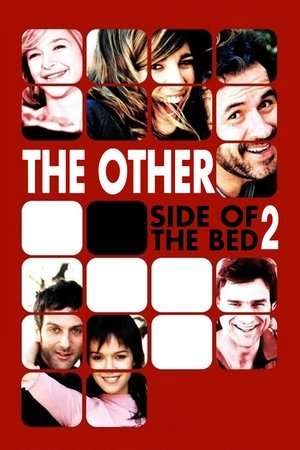


Three years have passed and the boys seem to have matured. Javier is going to marry Marta and Pedro is very much in love with his new girlfriend Raquel. Rafa has also found happiness with Pilar, who loves him too and treats him in a very particular way. It can seem that everything is perfect in their lives. But what do the girls think? Marta and Raquel have different plans that will put their relationship with their boyfriends in danger. Even Pilar has got a lover and is being unfaithful to Rafa. But that's not all: a new woman, Carlota, appears in Javier and Pedro's lives
The differences in these films could not be more blatant, and yet Gus Van Sant has found a way to portray the same messages and use the same techniques in each.
For one widowed father and his five kids, an extraordinary gift will change their lives forever.
The quiet ache of guilt sitting at the dinner table, the silence after a truth is buried, and the way pain is passed down like a name.
The more biting satire is reserved for those on top of the power structure, such as the police, while those occupying lower levels are given more nuance and likability, even if they operate on the wrong side of the law. This principle gives Deep Cover its heart.
This Disney Channel Original Movie shows how two different groups can coexist.
Although Christmas is a time of year for love and cheer for all, holiday cinema has not always represented diverse communities. Being a holiday with Christian origins, much of its media consists of straight white families or straight white romances. Luckily, modern years have been bringing with them plenty of POC and LGBTQ+ representation that the holidays so desperately need.