





'Show Dogs' Are On the Case
A K-9 police dog goes undercover to stop an illegal animal smuggling ring and learns a valuable lesson along the way.
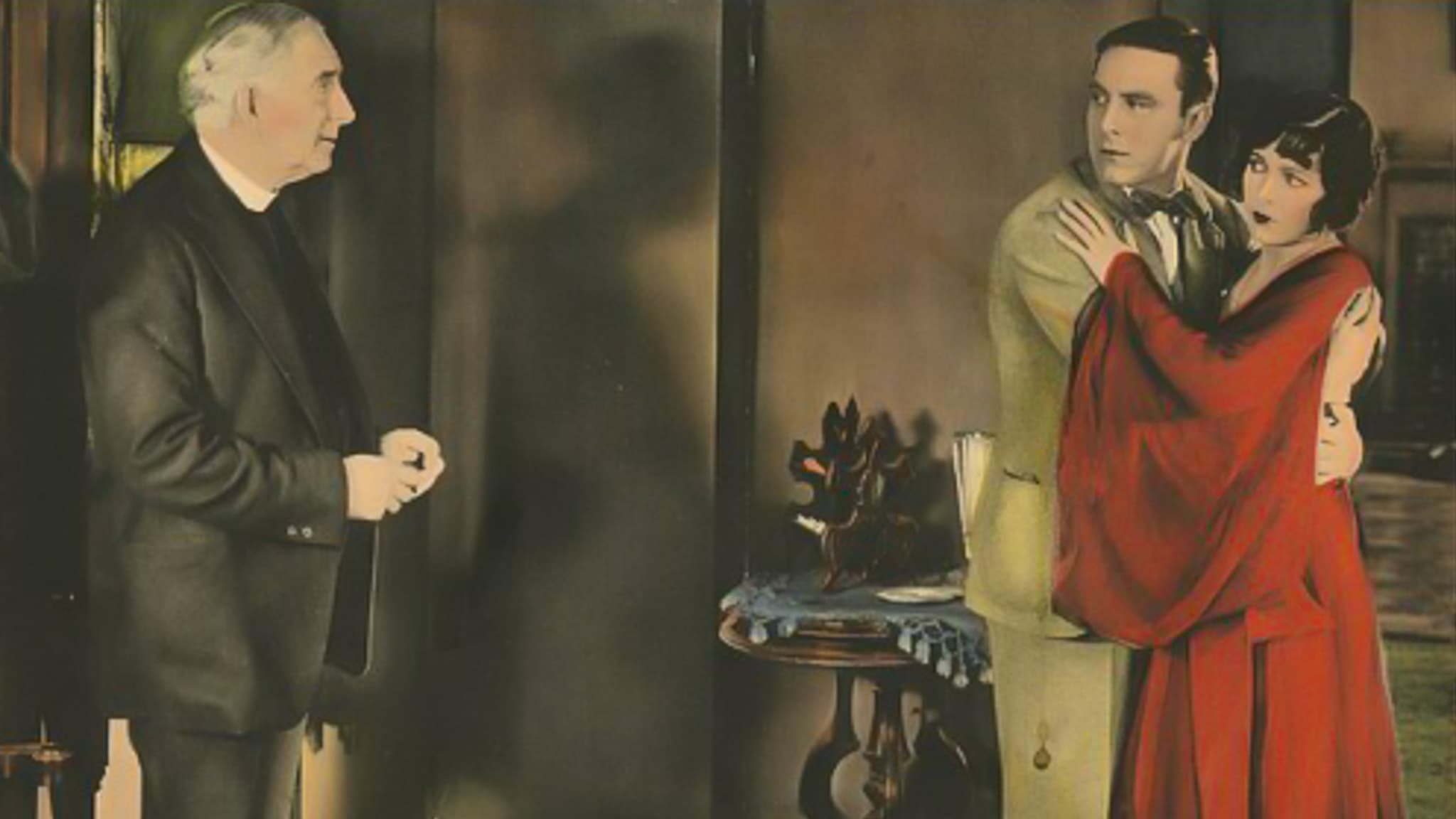
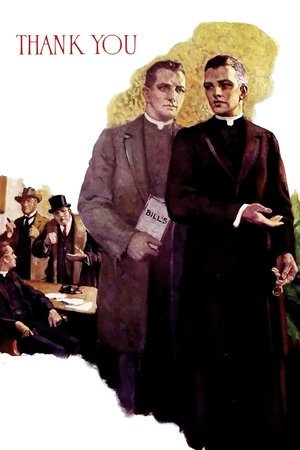


Young Kenneth Jamieson's millionaire father, fed up with his son's wild escapades, sends him to stay on a chicken farm in the small village of Dedham. On the day he arrives there pretty Diane Lee, the niece of local Rev. David Lee, arrives from Paris. A few days later Kenneth, reverting back to his wild ways, gets drunk and makes a spectacle of himself, but rather than reproving him, Rev. Lee gives him a heart-to-heart talk and gets Kenneth to turn his life around. Meanwhile, the reverend--barely able to get by on the pittance the local vestrymen pay him--asks for a raise but is denied it, being told that he must send Diane away before they'll even consider giving him any extra money. Soon afterward Kenneth falls gravely ill. His father, hearing of Kenneth's condition and of his infatuation with Diane, arrives at the village to see his son and isn't ready for what he finds.
A K-9 police dog goes undercover to stop an illegal animal smuggling ring and learns a valuable lesson along the way.
This coming-of-age movie discusses immigration issues in the United States through the eyes of two exchange students in Brazil.
A 3D animated film centered on chasing fame in the humble stomping grounds of middle school. Unfortunately, while the protagonist dreams big, the plot falls short and fails to capture even a semblance of diversity.
At first glance, “The Good Liar” is a respectable piece of fiction, starring Ian McKellen and Helen Mirren. But underneath everything, the film expertly hones the unpredictability of deceit.
Hulu's 'Crush' leaves you giddy, light, hopeful, and, yes, all crushed out on the possibility of what? You got it, your next crush.
This Disney Channel Original Movie shows how two different groups can coexist.