
‘The World to Come’ Movie Review: A Stunning Period Romance
Mona Fastvold’s nineteenth century lesbian romance is emotionally charged, restrained, and poetic without feeling forced.
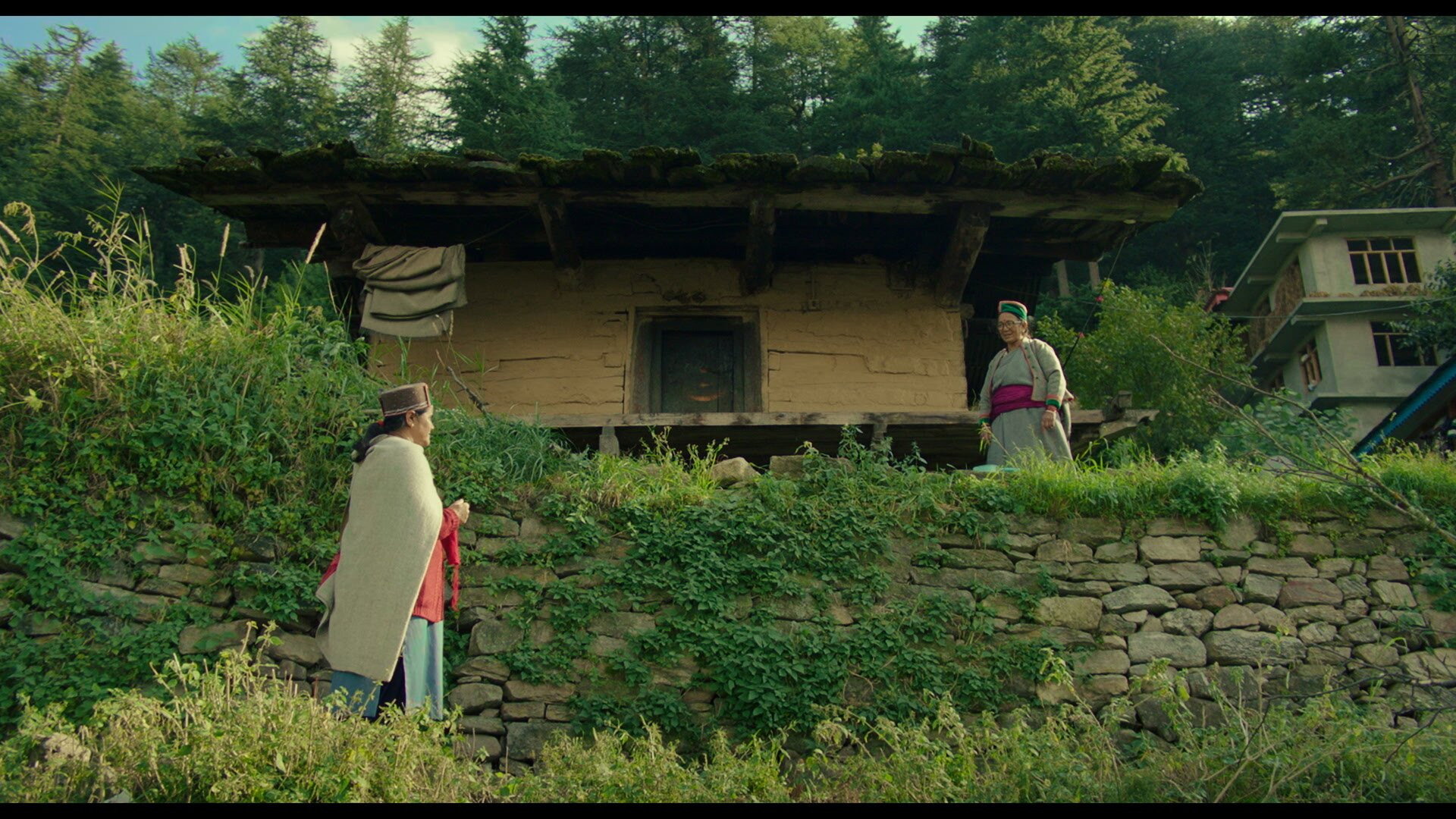



In the remote Himalayan village of Kandar, a midwife faces a life-threatening childbirth with no medical recourse. Her only hope lies in finding a wild herb known to heal such cases. The lone person who can identify this herb is an elderly grandmother, living with her teenage granddaughter. So as the three women journey in search - across lands scarred by hydropower projects, they uncover the erosion of both ecology and memory. When an old Kinnauri folksong becomes their guide, tradition and technology converge to revive a fading language, a disappearing landscape, and deep kinship between their people and the earth.
Mona Fastvold’s nineteenth century lesbian romance is emotionally charged, restrained, and poetic without feeling forced.
The external threat invaded the domestic environment at the most valuable moment: grieving.
Overall, Matthias & Maxime doesn't reinvent this romantic concept. But it also doesn't need to. Dolan weaves a story of love, friendship, and life that is both realistic and bittersweet. The film is nuanced and sensual in a way we don't get to see often with LGBTQ characters. It's a film that we can celebrate.
That gut-wrenching feeling you have while watching it is okay but needed, and you, the viewer, will be okay.
For a troubled teen, Will discovers what is important in life when he attends a summer camp: the people who care about his well being.
A spoiler-free review of 'Glass Onion: A Knives Out Mystery,' highlighting the way the modern setting and current social climate once again influence Johnson's approach to the whodunit narrative.